Saints Charged by EFL with Spying on Middlesbrough
EFL Urges Quick Resolution in Southampton’s Alleged Breach
Samael.lol – The English Football League has initiated a swift investigation into Southampton, alleging that the Saints engaged in covert tactics to gather intelligence on Middlesbrough ahead of their Championship play-off semi-final clash. This marks the first time the league has accused a club of breaching its regulations in such a manner, prompting a request for the independent disciplinary commission to accelerate the process. Normally, clubs have 14 days to respond to formal charges, but the EFL has opted for a faster timeline, aiming to resolve the matter before the first leg of the semi-final on Saturday.
The incident, which occurred on Thursday morning, involved a Southampton performance analyst who reportedly filmed Middlesbrough’s training session and captured images of their tactical preparations. The alleged spy was discovered by Middlesbrough staff, who quickly took action to delete the footage and vacate the premises. Despite this, the Teesside club expressed outrage, leading to an immediate report to the EFL. The league confirmed that Southampton has been formally charged under two of its key regulations, emphasizing the seriousness of the allegations.
The EFL’s statement, released on Friday night, outlined that the charge stems from a complaint by Middlesbrough regarding unauthorized filming on private property. The rule in question, EFL Regulation 127, prohibits clubs from observing or attempting to observe another team’s training session within 72 hours of a scheduled match. This regulation was introduced seven years ago following a high-profile case involving Leeds United, which was fined £200,000 for similar actions in 2019. At the time, a staff member was caught monitoring Derby County’s training ground, leading to a breach of the “good faith” principle outlined in EFL Regulation 3.4.
While the Leeds fine set a precedent, it was issued before the specific spying regulation was in place. The EFL’s current case against Southampton, however, is more direct, targeting the act of unauthorized observation. The league’s statement noted that the disciplinary commission will be asked to expedite the process, potentially reducing the response period and scheduling a hearing as soon as possible. This move underscores the EFL’s intent to address the issue promptly, particularly given the proximity of the semi-final match.
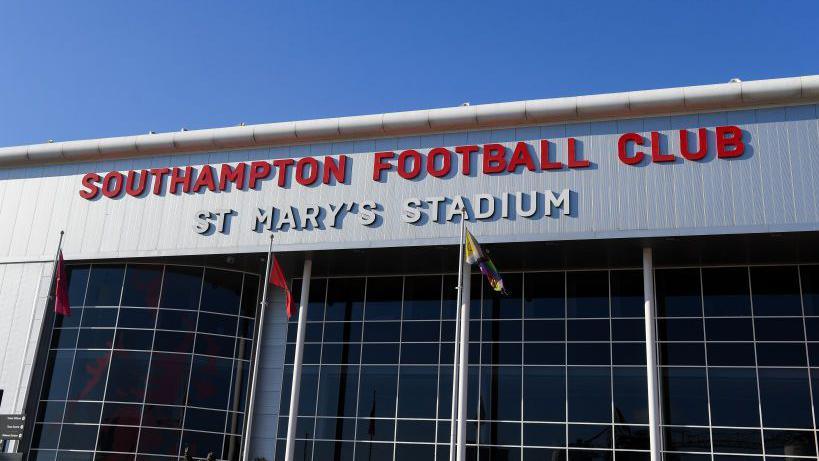
Southampton has acknowledged the EFL’s statement, confirming their cooperation with the league throughout the inquiry. A club spokesperson stated, “We can confirm that we will be fully cooperating with the league throughout this process.” However, they have not provided further details, citing the ongoing nature of the investigation. The first leg of the semi-final is set for Saturday at Riverside Stadium, with the return leg at St Mary’s on Tuesday. The outcome of this case could have significant implications for the Saints’ progress in the play-offs.
History of EFL’s Spying Regulations
The regulation against unauthorized observation was established to prevent teams from gaining an unfair advantage through intelligence gathering. This rule has been a cornerstone of the EFL’s disciplinary framework since 2017, following Leeds United’s £200,000 fine for breaching the “good faith” principle. At the time, the club’s manager, Marcelo Bielsa, revealed that staff members had been sent to monitor every opposing team’s training sessions during the season, a practice that had gone unnoticed until the incident at Derby’s ground.
Bielsa’s approach, while methodical, was deemed a breach of EFL guidelines by the league. The fine served as a warning to other clubs about the importance of transparency and fair play. However, the specific regulation targeting spying within 72 hours of a match was only introduced more recently, adding a layer of specificity to the current case against Southampton. The EFL’s statement highlighted that the Saints’ actions violate both the overarching principle of good faith and the newer, more targeted rule, suggesting a dual violation.
This case could serve as a test for the effectiveness of the updated regulations. While the EFL has not yet disclosed the potential consequences for a proven breach, the precedent from Leeds indicates that financial penalties are a likely outcome. The league’s decision to expedite the process may also reflect the urgency of the situation, given the upcoming semi-final and the high stakes involved for both clubs. Middlesbrough, having already raised the issue, is now positioned to seek justice and ensure that their preparation is not compromised.
Despite the allegations, there is currently no indication that Southampton will be disqualified from the play-offs. The EFL’s disciplinary commission will assess the evidence, including the footage of the training session and any other supporting documentation. The case also highlights the growing importance of technology in modern football, where teams can easily capture and analyze opponents’ strategies using smartphones and digital cameras.
Reactions and Implications
Southampton’s silence on further details has sparked speculation among fans and analysts. While the club has acknowledged the EFL’s statement, the lack of additional comments suggests they are awaiting the results of the investigation before making any public statements. This strategy is common in such cases, as clubs often prefer to avoid revealing more information until the process is clear.
The EFL has not commented on the case directly, as is typical during active investigations. However, the swift action taken to expedite the proceedings indicates that the league views this as a significant matter. The incident has also raised questions about the broader culture of football, where espionage during training has become a subtle yet effective tool for competitive advantage.
For Middlesbrough, the allegations have been a wake-up call to ensure that their tactics are not being compromised. The club’s fury at the unauthorized filming reflects the importance they place on protecting their training sessions and maintaining a level playing field. As the play-off semi-final approaches, the outcome of this case could influence the dynamics of the match, potentially affecting the Saints’ preparation and performance.
The EFL’s rules, while clear in their intent, also face criticism for their strict application. Some argue that the 72-hour window may be too short for teams to justify their observations, particularly in the context of a high-stakes competition. Nonetheless, the league has maintained its stance, emphasizing that any unauthorized monitoring is a violation of fair play principles.
As the case moves forward, the focus will remain on the evidence presented by Middlesbrough and the response from Southampton. The disciplinary commission will play a crucial role in determining the appropriate course of action, which could range from a warning to a substantial fine. This incident, while isolated, could have a lasting impact on how teams approach their preparations for key matches in the future.
The EFL’s decision to charge Southampton highlights the evolving landscape of football governance, where technological advancements have made it easier for teams to engage in strategic intelligence gathering. While such practices are not new, the league’s stricter enforcement of its regulations signals a shift towards greater accountability. The case against the Saints will be closely watched, not only for its immediate consequences but also as a benchmark for future disciplinary actions in the league.
With the semi-final looming, the pressure on both clubs to perform has never been higher. Middlesbrough will hope that the EFL’s swift action ensures their side is not disadvantaged, while Southampton aims to demonstrate that their intelligence-gathering activities were legitimate and necessary. The outcome of this case will serve as a reminder of the fine line between strategic preparation and unfair advantage in the world of professional football.