Rosenberg: Scaled-back Victory Parade in Moscow’s Red Square
Samael.lol – On Saturday, Moscow’s Red Square hosted a subdued version of its traditional Victory Day parade, marked by a noticeable absence of military displays and a smaller crowd than usual. The event, which typically showcases Russia’s military prowess, was significantly reduced in scale due to heightened security measures. Officials expressed concerns that Ukrainian forces might target the iconic square with a drone strike, prompting the decision to limit the parade’s size and scope. This change underscored the evolving dynamics of the conflict, as the absence of tanks and ballistic missiles highlighted a shift in strategy and morale.
The BBC’s Russia editor, Steve Rosenberg, was among the few foreign journalists permitted to attend the ceremony. His presence offered a rare glimpse into the event, which felt more like a ceremonial gesture than a full-scale demonstration of power. The scaled-back parade, with its muted color palette and sparse attendees, contrasted sharply with the grandeur of past years. While the event was intended to commemorate the Soviet victory over Nazi Germany in 1945, it also served as a subtle indicator of the challenges Russia faces in its ongoing war in Ukraine.
A Ceasefire and Its Implications
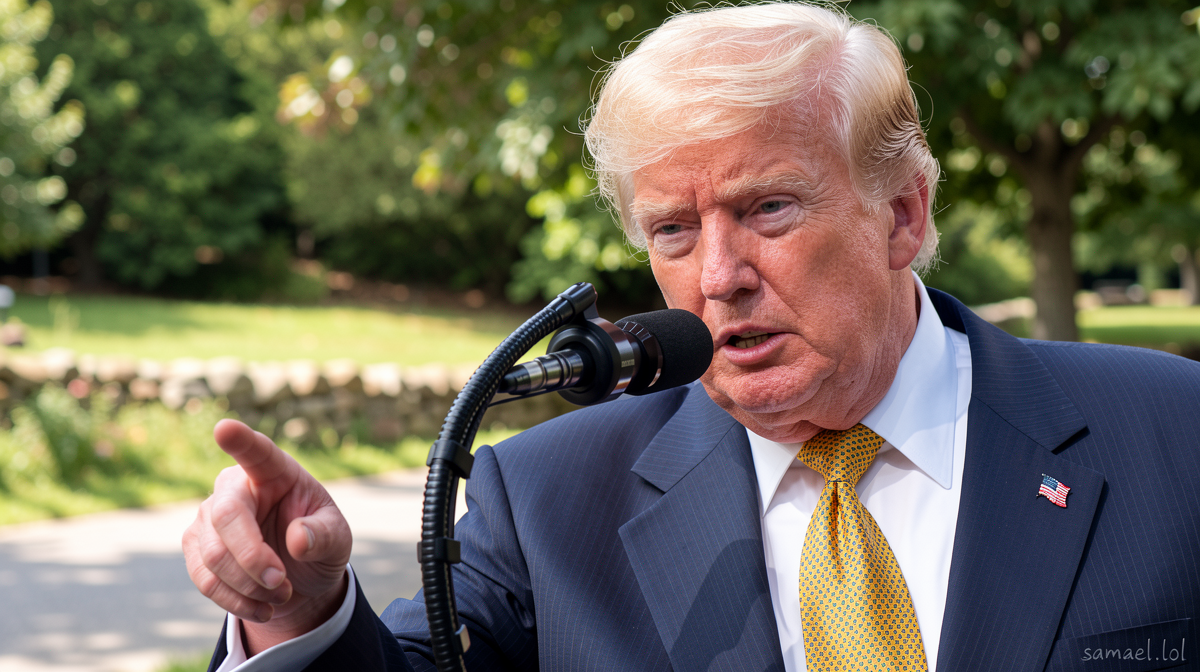
Just days prior to the parade, a last-minute ceasefire was announced, brokered by former U.S. President Donald Trump. This agreement, which saw Kyiv commit to refraining from attacks during the event, raised questions about its long-term effectiveness. The decision to pause hostilities, even temporarily, allowed Russia to focus on staging a more controlled display of military might, but it also signaled a potential pause in the offensive momentum the country had sought to maintain. Analysts noted that the absence of heavy weaponry in the parade’s procession could be interpreted as a sign of uncertainty or a strategic reassessment.
Rosenberg observed that the event’s subdued nature was not merely a logistical choice but a deliberate reflection of the broader geopolitical climate. “It’s clear that the parade was designed to convey stability, yet the lack of military hardware speaks volumes about the current state of affairs,” he remarked. The event’s brevity and simplicity left room for speculation about whether Russia’s war effort is encountering obstacles or if the ceasefire is a temporary truce. As the parade concluded, the focus turned to the implications of this reduced show of force and its impact on international perceptions of the conflict.
Other News Highlights
Meanwhile, in the Canary Islands, concerns over public health were mounting as the arrival of the MV Hondius, a commercial vessel, sparked anxiety among locals. The ship’s docking in Tenerife had been met with cautious optimism, but fears of potential health risks led to increased scrutiny. The BBC’s Guy Hedgecoe reported on the mixed reactions, with some residents calling for stricter protocols to ensure safety. This incident underscored the interconnectedness of global events and their local repercussions.
Elsewhere, a proposed three-year agreement between Italy and Paris aimed to curb the flow of migrants attempting to cross the English Channel in small boats. The deal, which was still in the negotiation phase, sought to address the growing issue of migration by offering a coordinated response. In a separate development, a charity event organizer shared insights with BBC Radio 4’s Front Row about the emotional weight of calling the painting’s new owner, highlighting the personal stories behind larger political narratives.
Political Shifts and Public Reactions
In Hungary, the pro-EU Tisza party secured a decisive victory in parliamentary elections, ending Viktor Orbán’s 16-year tenure as prime minister. The result was seen as a turning point for the nation’s political landscape, with Orbán’s allies facing an uncertain future. Crowds gathered outside the parliament in Budapest, where the news of his resignation was met with both relief and curiosity. The BBC’s Rajini Vaidyanathan provided on-the-ground coverage, capturing the diverse emotions of the public as they awaited the outcome of the election.
Back in Felscút, the hometown of Prime Minister Viktor Orbán, the BBC’s Europe Editor Katya Adler reported on the quiet aftermath of the political shift. The town, known for its strong support of Orbán’s policies, remained a symbol of the broader debate over EU integration and national sovereignty. The contrast between the town’s historical role and the current political realignment was stark, with locals reflecting on the changing tides of power.
Global Events and Human Stories
The Vatican became a focal point of international attention when the U.S. exhibition squad, the Harlem Globetrotters, met with Pope Francis. The visit included a demonstration of the team’s famed basketball skills, with the pontiff attempting to spin a ball on his finger. This lighthearted moment offered a glimpse into the Pope’s efforts to engage with diverse groups and promote unity, even amidst global tensions.
Back in Norway, Crown Princess Mette-Marit’s past association with late U.S. sex offender Jeffrey Epstein reemerged in the public eye. The royal family, already under scrutiny for previous scandals, faced renewed criticism as Mette-Marit expressed regret over her connection to Epstein. The controversy added another layer to the nation’s ongoing discussions about transparency and accountability within the monarchy.
Another headline from the BBC highlighted the emotional toll on a family in the U.S. The mother of a 16-year-old girl who died in a scrambler-related incident described her experience as a “living nightmare.” Her words resonated with others affected by similar tragedies, emphasizing the personal and societal impact of such events. Meanwhile, a video released by the Italian fire brigade showcased the rescue of a wolf from beneath a bridge, capturing the public’s fascination with both human and animal resilience.
Onlookers in Germany watched in awe as the cooling tower of the decommissioned Frimmersdorf power plant collapsed. The incident, which occurred without immediate casualties, drew comparisons to the structural challenges faced by other aging infrastructure projects. In northern Italy, the annual carnival season kicked off with the Battle of the Oranges, a festive tradition where participants hurled fruit at each other in a riot of color and laughter. The event, while lighthearted, served as a reminder of the cultural vibrancy that persists despite global uncertainties.
Legal and Environmental Developments
Legal proceedings in Oslo took center stage as the BBC’s Paul Kirby reported from outside the courtroom. Marius Borg Høiby, a prominent figure, denied multiple serious charges, including rape, which sparked debate about the strength of the evidence and the public’s perception of his case. The trial, which has drawn international attention, is expected to have far-reaching implications for Norway’s legal and political systems.
Environmental concerns also featured prominently in recent news. A commercial flight from Dubai to Dublin arrived on Wednesday night, marking the first such flight in days following U.S.-Israeli strikes on Iran. The event was not only a logistical milestone but also a symbol of the resilience of global travel networks in the face of geopolitical disruptions. In Rome, the city’s iconic fountain now requires visitors to pay a €2 fee for entry, a move that has sparked discussions about accessibility and revenue generation.
The week’s events also included the arrest of Jessica and Jacques Moretti for involuntary manslaughter, as well as charges of bodily harm and arson through negligence. Their trial, which has garnered media interest, highlights the intersection of personal responsibility and larger societal issues. Meanwhile, storms named Marta and Leonardo battered Spain, causing widespread flooding and displacing thousands. The weather-related crises have brought renewed focus on climate adaptation and disaster preparedness in the region.
As the world grapples with these interconnected developments, the headlines reflect a mosaic of global challenges and triumphs. From the scaled-back parade in Moscow to the carnival celebrations in Italy, each story contributes to the broader narrative of resilience, adaptation, and the ever-shifting balance of power. The BBC continues to provide a comprehensive lens through which to view these events, ensuring that no detail is overlooked in the pursuit of truth and clarity.