Boos, No Intensity, and a Lacking Identity: What Is Slot’s Liverpool?
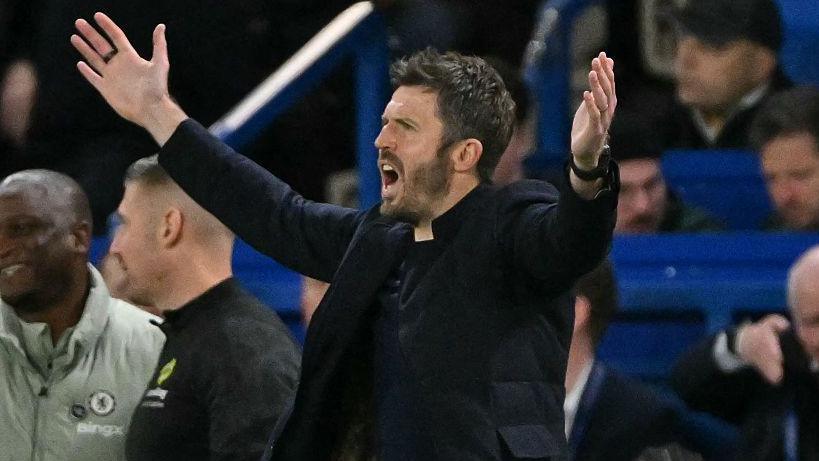
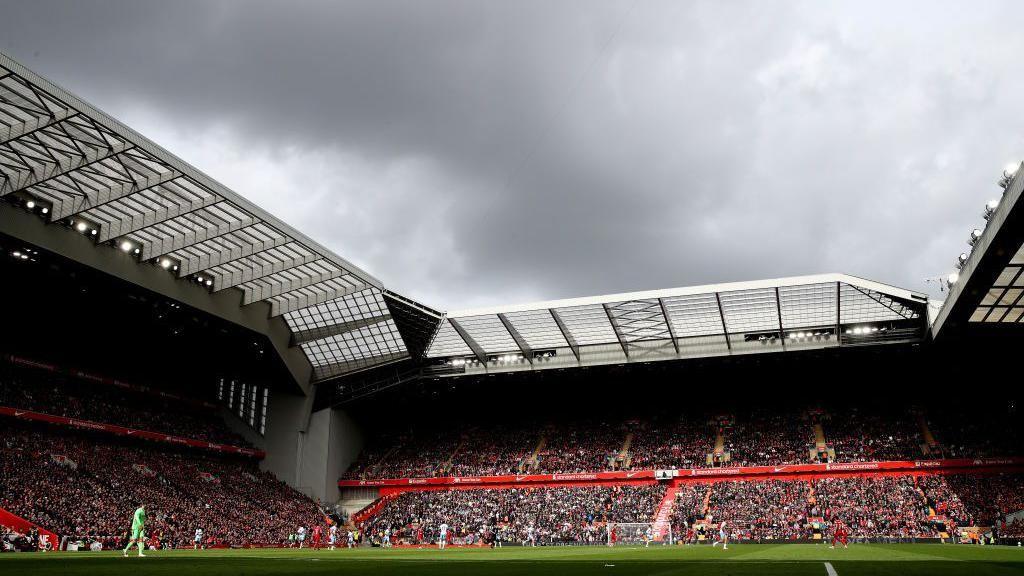
Samael.lol – Liverpool’s recent encounter with Chelsea at Anfield has reignited discussions about the team’s current state under Arne Slot’s management. Despite the Reds securing a draw, the match was marred by criticism from fans, who expressed frustration through loud boos and a perceived lack of urgency from the players. This discontent seems to be growing, with some suggesting that the club’s ambitions for the season are not being met, and the support from the crowd is waning.
A Contrast in Performance
Slot’s Liverpool faced scrutiny after a slow start against a Chelsea side that had been struggling in the Premier League. The Dutch manager’s team had the opportunity to seize control early but failed to capitalize, allowing the opposition to mount a comeback. This inconsistency has raised questions about whether Slot’s approach is aligning with the expectations of Anfield’s traditional supporters.
“The adjustment we made at half-time helped us be the more dominant team in the second half. We were twice close,” said Slot. “So it is not fair to me to say I ever tell my players to back off and not press. If it did look like that, it was never the intention.”
While Slot defended his tactics, fans and analysts alike pointed to a recurring issue: the absence of the intensity that has historically defined Liverpool’s play. Pep Lijnders, the former assistant manager under Jurgen Klopp, once described the team’s identity as “intensity,” a concept that has now become a point of contention under Slot’s leadership.
Disappointment and Dissatisfaction
Wayne Rooney, appearing on Match of the Day, offered a blunt assessment of the match. “I thought Liverpool actually started quite well, got the goal, and then from there Chelsea were the better team. They caused Liverpool big problems, especially Marc Cucurella running behind,” he remarked. The analyst noted that the crowd’s usual support was noticeably absent, a sign of their growing impatience with the team’s performance.
“The crowd were obviously a bit edgy, which you very rarely get from Liverpool fans. It comes from not having the season they hoped for, and after spending a lot of money,” Rooney added.
Liverpool’s failure to maintain dominance has left many fans feeling unfulfilled. The team has lost nine points from winning positions in Premier League home games this season, a record not seen since the 2015-16 campaign when Klopp took over from Brendan Rodgers. This slump has sparked debates about whether Slot’s philosophy is at odds with the club’s identity or if the team simply needs more time to adapt.
Substitution Controversies
The boos at Anfield were not limited to the final whistle. During the 67th minute, when Slot substituted Rio Ngumoha—a player who had been a key threat—fans reacted strongly. The 17-year-old had cramp, but the decision to remove him was seen as a gamble. “It makes complete sense if you take a player off that is playing well, that assisted,” Slot explained. “People don’t expect you to take that player off and it wasn’t my intention to do so.”
Ngumoha’s departure was followed by the introduction of Federico Chiesa, who offered little in comparison. The Italian, known for his song with the Anfield faithful, may soon be moving on this summer, further indicating the need for change within the squad.
Pressure and Expectations
The pressure on Slot has intensified as the season progresses. Midfielder Ryan Gravenberch acknowledged the team’s reliance on fan support, stating: “To be honest, we need them behind us. OK, we didn’t win, but I don’t really think we deserved this [reaction].” Gravenberch emphasized that the players are performing well but are struggling to translate that into results.
Slot, meanwhile, has expressed confidence in his team’s potential. “I would love to show them [the fans] something else, but at this moment we are not able to,” he said. “We are able to be a dominant team and have more of the ball, and I want to give them much more to be positive about and happy about. I am 100% sure the team wants the same.”
A Call for Transformation
Slot’s challenges extend beyond the pitch, as the club’s hierarchy is now focused on restructuring the squad to align with the fans’ expectations. Sporting director Richard Hughes, present at Anfield, highlighted the urgency for change. “The need for that was clear to see,” he noted, underscoring the belief that a new identity must emerge for Liverpool to thrive.
Despite the current struggles, Slot remains optimistic. “I am 100% convinced we will be a different team next season if we can have the summer we want,” he insisted. This statement reflects the manager’s determination to shift the narrative, even as the Anfield crowd continues to voice their concerns.
The match against Chelsea has served as a microcosm of Liverpool’s broader issues. While the team has the technical ability to control games, the lack of relentless energy and a clear attacking strategy has left them vulnerable. Fans, who once celebrated the Reds’ attacking flair, now question whether Slot’s approach is fostering the same kind of urgency and cohesion that defined Klopp’s era.
Slot’s philosophy, which prioritizes possession and control over aggressive pressing, has been met with mixed reactions. Some supporters appreciate the tactical balance, while others feel the team is missing the spark that characterized previous campaigns. This divide highlights the challenge of redefining a club’s identity in the face of high expectations and a rapidly evolving football landscape.
Looking Ahead
As Liverpool prepares for the next phase of the season, the focus will be on addressing the gaps in intensity and identity. The club’s hierarchy must decide whether to stick with Slot’s vision or make adjustments to meet the fans’ demands. For now, the boos and criticisms remain, but the hope is that the team can deliver a performance that justifies the support they receive.
Slot’s journey at Anfield is far from over, and the manager’s ability to adapt will be crucial. With the potential for summer transfers and a new strategy in place, there is optimism that the Reds can reclaim their former glory. However, until the team consistently demonstrates the intensity and identity that fans crave, the Anfield crowd may continue to express their dissatisfaction through the roar of disapproval.
Overall, the match against Chelsea has exposed the challenges Slot faces in reshaping Liverpool’s style of play. While the tactical approach may be sound, the emotional connection with the fans and the ability to maintain high intensity throughout a game are vital components that have yet to be fully realized. The next few weeks will be telling in determining whether Slot can turn the tide or if further changes are necessary to restore the club’s competitive edge.