Army parachutes onto remote island to help Briton with suspected hantavirus
Samael.lol – The UK military has deployed a team of paratroopers and medical professionals to the isolated Atlantic island of Tristan da Cunha, following reports of a British citizen suspected of contracting hantavirus. The man, who had left the cruise ship MV Hondius in mid-April, now resides on the island, one of the world’s most remote inhabited territories. His symptoms emerged two weeks after disembarking, with initial signs including diarrhoea and fever. Authorities confirmed he is in stable condition and under isolation protocols.
Emergency response amid virus outbreak
The Ministry of Defence (MoD) announced that an RAF A400M aircraft, accompanied by a Voyager, transported the medical team from RAF Brize Norton in Oxfordshire to Ascension Island before proceeding to Tristan da Cunha. The operation was necessitated by critical oxygen shortages on the island, where the Briton had been living. The MoD emphasized that the mission was not only about addressing the individual’s health but also about bolstering the island’s limited medical capacity.
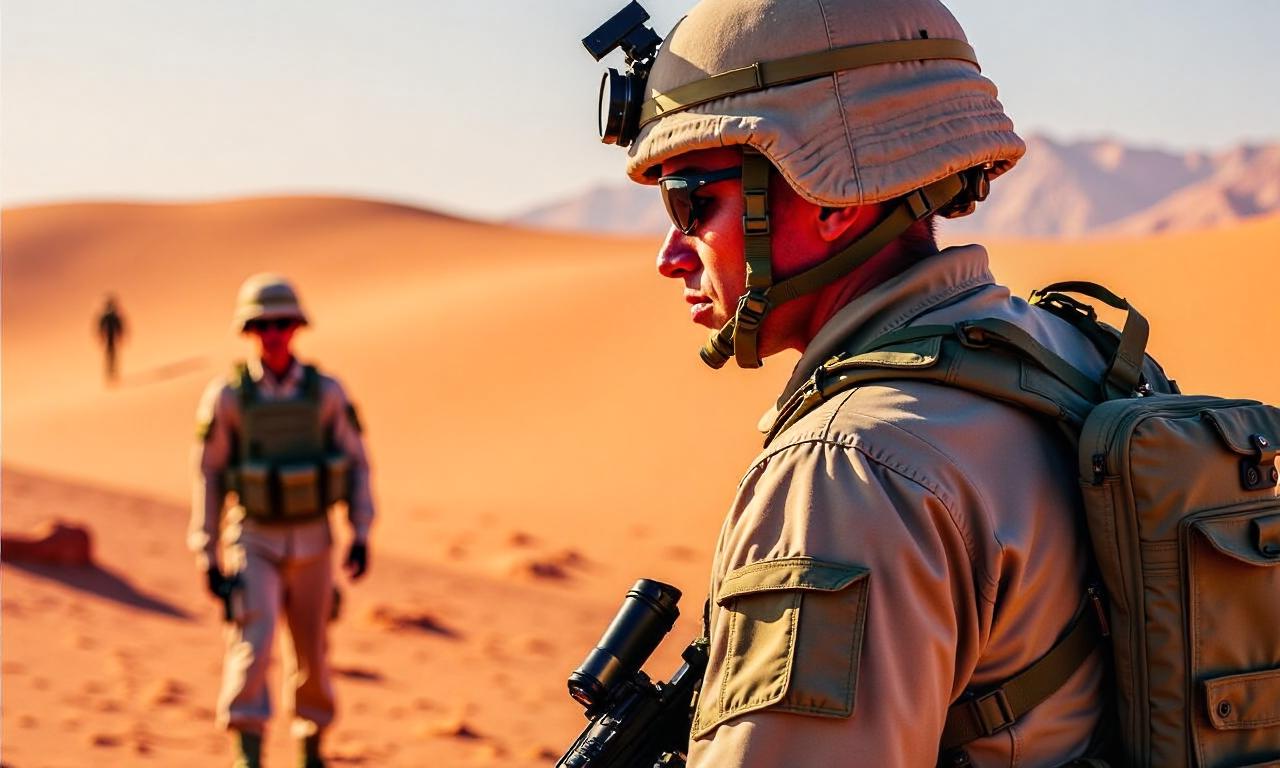
According to the MoD, this is the first instance of UK military personnel being parachuted into a remote island for humanitarian aid. The team, consisting of six paratroopers and two clinicians, landed on the island’s golf course, a detail noted by local officials. Residents were praised for their swift support, with the local government website highlighting their efforts to welcome the team “at short notice.”
Challenges of the operation
Brigadier Ed Cartwright, commander of the 16 Air Assault Brigade, described the jump as a “really challenging, technical operation” due to the island’s harsh weather conditions. Wind speeds often exceed 25mph (40km/h), making landing a complex task. The paratroopers executed their mission from an aircraft approximately 5km above the South Atlantic, adjusting their trajectory to account for wind currents and ensuring a precise touchdown on the island’s edge.
Two of the paratroopers accompanied an intensive care nurse and doctor, providing critical support to the island’s medical team, which typically comprises just two staff. The operation was coordinated to address both the Briton’s condition and the broader needs of the community, particularly those who may have been exposed to the virus.
Global context of the hantavirus outbreak
Hantavirus, a group of rodent-borne pathogens, has caused a significant health crisis on the MV Hondius. While most strains do not spread between humans, the Andes strain—identified in several passengers—has proven more contagious. Three fatalities have been recorded among the affected, with two confirmed to have hantavirus. The virus is now known to have infected six individuals on the ship, including two British nationals currently receiving treatment in the Netherlands and South Africa.
The Briton on Tristan da Cunha, who disembarked on 14 April, was reported to have symptoms by 28 April, with fever following two days later. His condition, while stable, has prompted the island’s authorities to take precautionary measures. The MoD noted that the operation’s success hinged on the timely delivery of 3.3 tonnes of medical supplies to the island’s hospital, highlighting the importance of rapid intervention.
Humanitarian mission and official statements
Brig Cartwright underscored the urgency of the mission, stating that the Briton’s dwindling oxygen levels made boat travel impractical. The lack of an airstrip on Tristan da Cunha, which has a population of 221 British citizens, means the island relies heavily on maritime access. However, the virus outbreak disrupted this routine, necessitating the aerial deployment of medical support.
Foreign Secretary Yvette Cooper commended the effort, saying,
“This extraordinary operation reflects our unwavering commitment to the people of our overseas territories and to British nationals, wherever they are. The safety and well-being of all members of the British family is our number one priority.”
Minister for the Armed Forces Al Carns echoed this sentiment, calling the circumstances “incredibly challenging” and paying tribute to the soldiers’ professionalism. He noted,
“I want to pay a huge tribute to our brave personnel for carrying out their task with the utmost professionalism and composure under pressure.”
Logistics and future plans
The parachutists will be evacuated from the island by ship, with the MoD confirming that this step is being planned “in light of the medical situation.” The logistics of the operation, including the coordination of the RAF aircraft and the landing on the golf course, demonstrate the meticulous planning required to respond to such a remote crisis.
Meanwhile, the MV Hondius has arrived in Tenerife, where over 100 passengers are being assisted with repatriation. The WHO has confirmed that, in addition to the six confirmed cases, two more individuals are suspected of having hantavirus. These cases include the British man on Tristan da Cunha, whose isolation is critical to preventing further transmission.
The deployment of the military team marks a significant milestone in the UK’s ability to respond to health emergencies in isolated regions. The operation not only underscores the severity of the hantavirus outbreak but also highlights the vulnerability of communities in remote locations to such threats. As the situation evolves, ongoing monitoring and support will remain essential to ensure the safety of those affected.
With the island’s medical resources stretched thin, the presence of the paratroopers and clinicians offers a lifeline. The RAF’s role in transporting supplies and personnel demonstrates the integration of military and civilian efforts in crisis management. This event has set a precedent for future responses, ensuring that even the most distant British territories can receive urgent aid when needed.
The combination of high winds, the island’s geography, and the urgency of the medical situation created a high-stakes environment for the parachutists. Their successful execution of the mission highlights the adaptability and precision of the UK’s military response. As the Briton on Tristan da Cunha continues to recover, the incident serves as a reminder of the challenges faced in remote island communities and the importance of international collaboration in addressing health crises.