UK Pledges Jets, Drones, and Warship for Strait of Hormuz Defence Initiative
Samael.lol – During a virtual summit of defense ministers, the United Kingdom revealed its commitment to bolstering security efforts in the Strait of Hormuz. The nation has pledged to deploy a range of advanced assets, including drones, fighter jets, and a naval warship, to support a multinational operation aimed at protecting commercial shipping through the critical waterway. This decision underscores the UK’s role in ensuring the safety of global energy supply routes amid escalating tensions in the region.
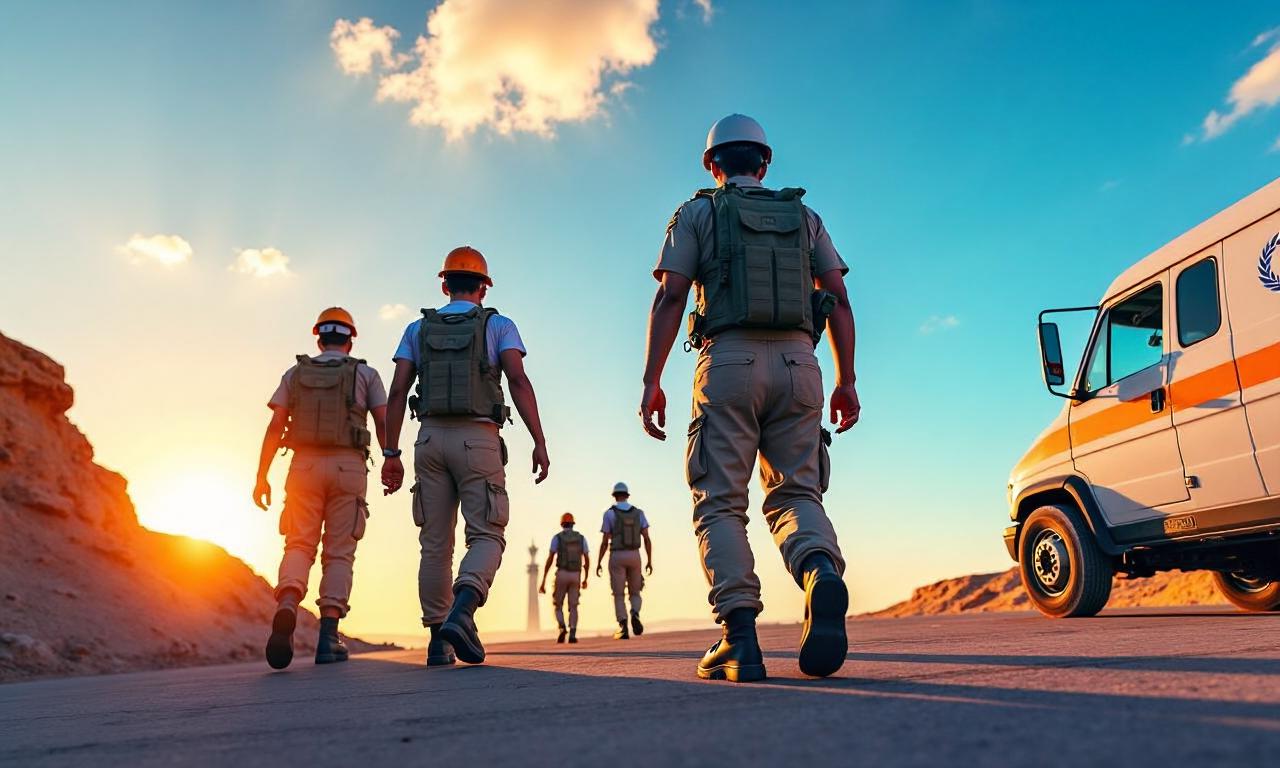
The proposed mission, which involves over 40 participating countries, focuses on countering threats such as naval mines and unauthorized aerial activity. Key components of the UK’s contribution include autonomous systems designed for mine detection and clearance, drone-operated vessels to monitor maritime traffic, and Typhoon fighter jets to conduct air patrols. These assets are intended to enhance the reliability and safety of the strait, which serves as a vital artery for international trade.
Strategic Importance and Regional Tensions
The Strait of Hormuz, a narrow passage connecting the Persian Gulf to the Arabian Sea, is one of the world’s most significant oil shipping corridors. Approximately 20% of the globe’s crude oil and liquefied natural gas traverse this strategic chokepoint, making it a linchpin for global energy markets. Any disruption to its operations could trigger dramatic spikes in fuel prices and destabilize economies worldwide.
Iran has recently asserted control over the strait, a move linked to its retaliatory actions against U.S. and Israeli military strikes. This development has heightened concerns about the vulnerability of shipping lanes, prompting the UK and other nations to step in. Meanwhile, the United States has implemented a port blockade of Iranian facilities, aiming to apply economic pressure on Tehran. This strategy has drawn sharp criticism from Iran, which views it as an aggressive move undermining its sovereignty.
Despite the ongoing hostilities, a ceasefire between the U.S. and Iran has been in effect since April. However, the agreement remains fragile, with U.S. President Donald Trump characterizing it as a “massive life support” measure. Both nations continue to accuse each other of provoking incidents in the strait, creating a precarious balance of power that threatens to escalate further.
UK’s Military Commitment and Funding
The Ministry of Defence emphasized that the multinational mission is strictly defensive in nature, seeking to restore confidence in the strait’s security for commercial vessels. The UK’s contribution is backed by £115 million in new funding, which will be allocated to mine-hunting drones and counter-drone technologies. This financial commitment reflects the government’s prioritization of safeguarding energy infrastructure.
Already, more than 1,000 British military personnel are stationed in the region, participating in existing operations such as counter-drone defenses and fast jet squadrons. These teams form the backbone of the UK’s maritime security efforts, and the new mission will build on their capabilities. The MoD noted that the coalition’s actions are not only about protecting shipping but also about deterring potential threats and maintaining stability in the area.
The deployment of HMS Dragon, an air defense destroyer currently en route to the Middle East, is a central element of the UK’s strategy. The ship is prepared to support any mission required to secure the strait, according to defense officials. Additionally, the RFA Lyme Bay, a British oil tanker, is undergoing upgrades to enhance its operational readiness, should it need to be integrated into the effort.
Political Context and Leadership Support
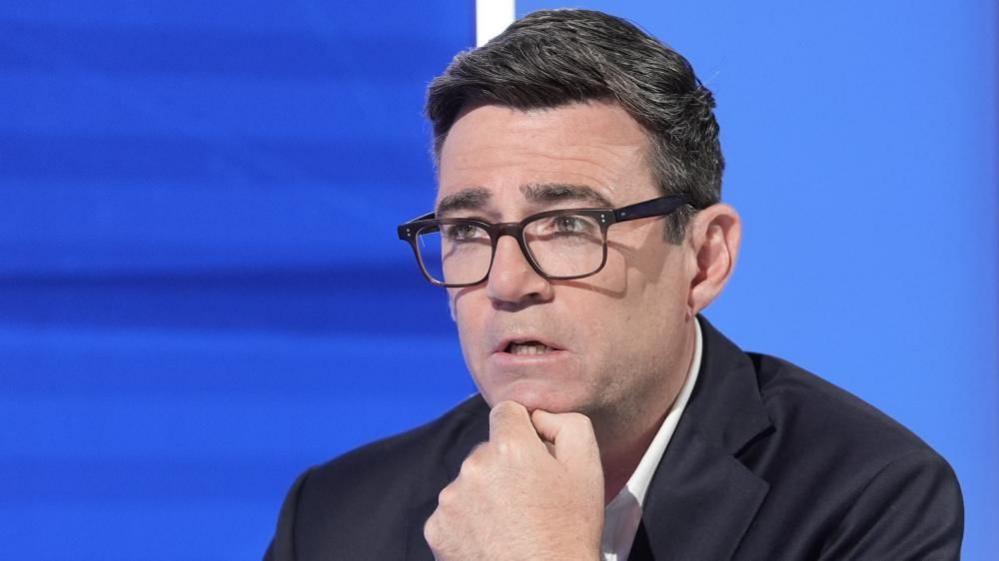
The announcement coincided with a display of political solidarity. Defence Minister John Healey publicly endorsed Sir Keir Starmer, the leader of the Labour Party, as Labour MPs called for the prime minister to resign. In a tweet, Healey praised Starmer for guiding the UK through “conflicts and looming global crises,” highlighting the importance of a stable leadership during turbulent times.
Healey also reiterated that the UK’s focus must remain on addressing immediate economic and security challenges. This statement aligns with Starmer’s broader approach to foreign policy, which emphasizes avoiding entanglement in prolonged conflicts. The prime minister has consistently maintained that the UK should not be “dragged” into the Middle East crisis, a stance that has drawn both support and scrutiny from political analysts.
During a cabinet meeting on Tuesday, Starmer addressed the impact of the conflict on the UK’s strategic interests but did not directly respond to calls for his resignation. The meeting centered on how the current situation in the region affects energy security, trade, and international relations. A Downing Street spokesperson confirmed that ministers unanimously agreed the top priority remains “getting the Strait of Hormuz open again” to ensure uninterrupted shipping.
The joint mission, announced last month by the UK and France, represents a coordinated effort to address the complexities of the strait’s security. By integrating cutting-edge technology and naval forces, the initiative aims to provide a credible deterrent against hostile actions. This approach is seen as a way to reduce risks for commercial operators while maintaining a non-confrontational posture for the UK.
Analysts note that the mission’s success hinges on its ability to balance deterrence with diplomacy. While the U.S. and Iran remain adversaries, the involvement of multiple nations could create a framework for cooperation. The UK’s emphasis on autonomy and independence in the mission reflects its desire to assert its own interests without being perceived as a proxy for U.S. policy.
As the global energy landscape continues to evolve, the Strait of Hormuz remains a focal point for geopolitical maneuvering. The UK’s contributions—whether through advanced drones, combat-ready jets, or naval vessels—aim to reinforce the security of this vital corridor. With the potential for further disruptions, the mission serves as a timely reminder of the strait’s strategic significance and the need for collective action to protect it.
Healey’s backing of Starmer also signals the importance of political unity in managing crises. The Labour leader’s resolve to maintain a stable approach to the Middle East conflict has been a cornerstone of his leadership, and Healey’s support underscores the coalition’s shared objectives. As the UK navigates its role in this complex scenario, the defense mission stands as a testament to its commitment to both security and economic stability.
The coalition’s efforts are expected to complement existing measures, such as the U.S. naval presence in the region and international sanctions. By combining resources, the mission seeks to create a unified response to the challenges posed by Iran’s actions and the U.S. blockade. This multi-layered strategy is designed to ensure that the strait remains a secure and efficient route for global trade, even amid heightened tensions.
In conclusion, the UK’s involvement in the Strait of Hormuz defense mission highlights the interconnectedness of global energy security and international diplomacy. The deployment of advanced military assets, coupled with a strong political stance, positions the nation as a key player in maintaining the stability of this critical waterway. As the mission unfolds, its effectiveness will be closely watched, with implications for both regional and global security.