World Cup Travel Costs Reduced Following Fan Protests
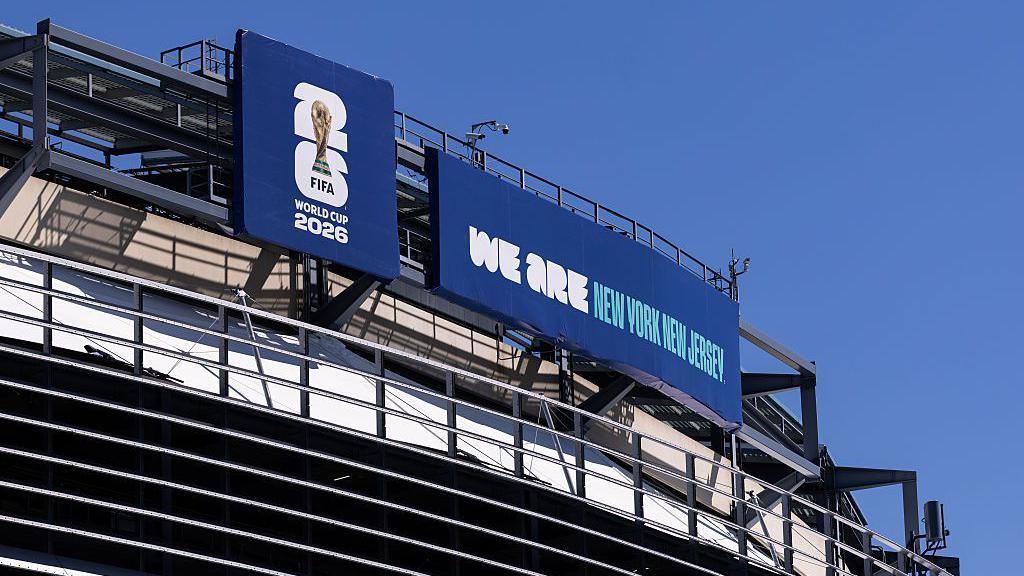
Samael.lol – As the World Cup approaches, transportation expenses to matches at MetLife Stadium in New Jersey have seen a notable decline, prompted by widespread criticism from fans. The venue, which will be officially rebranded as New York/New Jersey Stadium under FIFA’s corporate sponsorship policy, will host eight games during the tournament, including the final and one of England’s Group L fixtures. This adjustment comes amid growing concerns over the affordability of attending matches, which had previously been marred by steep pricing.
Fan Backlash Sparks Price Adjustments
Thomas Concannon, head of the Football Supporters’ Association England fan group, had previously denounced the “astronomical” costs associated with the event, describing them as “completely out of the norm.” His remarks highlighted the frustration of supporters who felt the prices were unreasonable, particularly for a global spectacle that should be accessible to all. The outcry led to a swift response from organizers, with train and shuttle bus fares to the stadium undergoing significant revisions.
Rail tickets from Penn Station in Manhattan to the venue, approximately 18 miles away, have been reduced from $150 (£111) to $98 (£73). Meanwhile, shuttle bus fares have plummeted from $80 (£59) to $20 (£15) for a round trip. These changes are a direct reaction to the financial strain on fans, with the hope of encouraging broader participation in the event. The decision reflects an attempt to balance the need for revenue with the demand for affordability.
FIFA’s Corporate Sponsorship Policy
MetLife Stadium’s renaming as New York/New Jersey Stadium is part of FIFA’s broader strategy to incorporate corporate sponsorships into major sporting events. While this policy aims to generate additional funding, it has also sparked debate over whether the costs should be shouldered by fans or shared more equitably. The stadium’s name change symbolizes the financial partnerships that support the tournament, yet fans argue that the price hikes for travel have overshadowed this initiative.
Travel to the World Cup has historically been a key point of contention. In Russia and Qatar, free transportation was offered to supporters, a perk the USA had pledged to replicate in its 2018 hosting agreement. However, a 2023 amendment to the deal shifted the approach, allowing travel costs to be determined by actual expenses rather than subsidies. This change has been met with mixed reactions, with some seeing it as a pragmatic solution and others feeling it has undermined the accessibility of the event.
Leaders Respond to Criticism
In response to the backlash, local officials have taken steps to reassure fans. Mikie Sherril, the governor of New Jersey, emphasized that commercial sponsorships would help offset the costs of travel, enabling the price cuts. “Good news: Ahead of NJ Transit World Cup train tickets going on sale, NJ Transit is lowering ticket prices to $98 without New Jersey taxpayer money,” Sherril wrote in a social media post. “Thank you to our partners for helping make this possible,” he added, acknowledging the role of sponsors in easing financial burdens.
“The goal is to ensure that attending the World Cup remains an enjoyable experience for all fans, not just those with substantial means.” — Mikie Sherril
New York Governor Kathy Hochul echoed this sentiment, stating that access to the tournament should be “as accessible as possible” after announcing the 75% reduction in bus fares. She also noted that 20% of tickets would be reserved for New Yorkers, recognizing their role in hosting the event. “We are committed to making the World Cup a celebration for everyone,” Hochul said, highlighting the state’s efforts to support local fans.
Contrast with Foxborough’s Price Increases
While New Jersey has seen cost reductions, fans traveling to Foxborough, Massachusetts, face a starkly different situation. Tickets for round-trip journeys from central Boston (South Station) to the Boston Stadium at Foxborough have surged by over 300%, rising from $20 (£15) to $80 (£60). This hike has drawn comparisons to the challenges in New Jersey, where the price cuts are a relief but still leave room for further adjustments.
For England and Scotland fans, the impact of these price changes is significant. The Three Lions will take on Ghana in Foxborough on June 23 and later face Panama at MetLife Stadium on June 27. Scotland’s Steve Clarke’s team will also compete in Foxborough, with matches against Haiti on June 13 and Morocco on June 19. These fixtures have become focal points for the debate over travel costs, as fans from both nations grapple with the financial implications of attending matches in different locations.
Despite the price hikes in Foxborough, Kansas City has introduced a more affordable option, offering return bus tickets to the stadium for $15. Philadelphia, on the other hand, has confirmed that its usual price of $2.90 will remain unchanged for the tournament. This variation in pricing across regions underscores the complexity of managing transportation costs for a multi-city event, with local governments and private operators playing distinct roles.
Legacy of Past World Cup Experiences
When FIFA first unveiled the pricing changes for MetLife Stadium, it faced criticism for the “chilling effect” on fan attendance. The organization defended the decision, stating that there was no precedent for such price increases at a major event. “There is no historical example of a global tournament raising transport costs to this extent,” FIFA officials argued, emphasizing the need for a sustainable financial model.
However, fans have pointed to the free travel policies in previous World Cups as a benchmark. In Russia and Qatar, supporters were able to attend matches without paying for transportation, a standard the USA had promised to uphold. The shift to cost-based pricing has raised questions about the long-term viability of such perks, with some suggesting that the absence of subsidies could deter future international audiences.
As the tournament draws closer, the focus on affordability will remain central to the experience. While the price cuts in New Jersey are a positive development, the disparity in costs between cities highlights the challenges of ensuring equitable access. Fans in Foxborough, for instance, continue to face hurdles, with their travel expenses now over three times higher than before. This contrast serves as a reminder of the diverse logistical demands of hosting a global event across multiple venues.
The ongoing adjustments to transportation pricing reflect a broader effort to address fan concerns and align with the expectations set by previous World Cups. With the hope of creating a more inclusive atmosphere, organizers are balancing the financial realities of hosting with the goal of making the event as accessible as possible. As matches approach, the success of these measures will depend on their ability to meet both the needs of supporters and the requirements of the tournament’s economic structure.