Australia Soars into Eurovision Final as UK Song Debuts
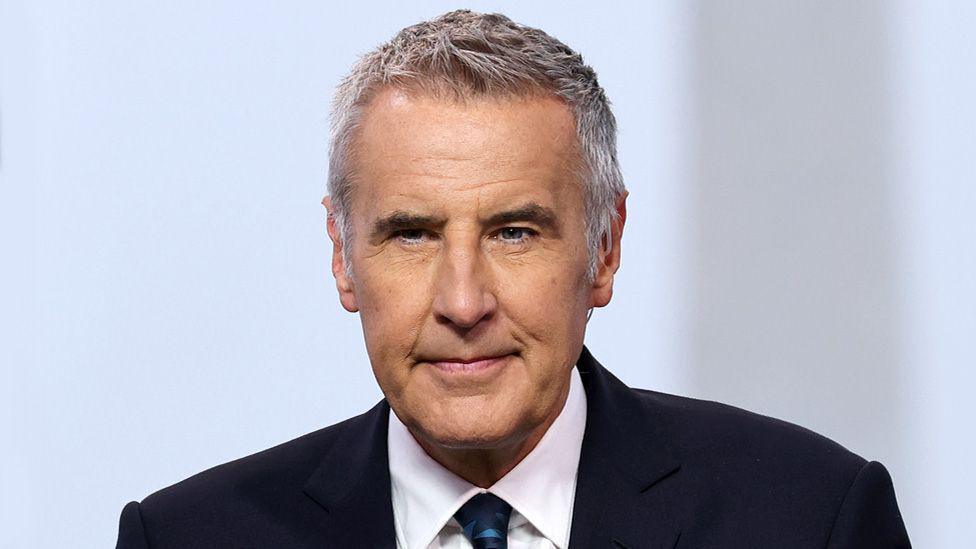
Samael.lol – Australia has made a significant leap in the Eurovision Song Contest, securing its place in the final after a standout performance by Delta Goodrem. The semi-final on Thursday marked a turning point for the nation, as the singer’s ballad *Eclipse* captivated audiences and propelled her country into the competition’s final round. This development has shifted the odds in favor of Australia, placing it as the second most likely contender for the title, just behind Finland. The nation’s return to the Eurovision stage after a brief hiatus in 2015 has been met with renewed optimism, as the contest continues to thrive despite its geographic distance from Europe.
Delta Goodrem, a pop star who has become a household name in the UK through her role in the Australian soap opera *Neighbours*, is now viewed as a strong favorite. Her performance of *Eclipse* showcased a powerful blend of emotional depth and musical flair, resonating with both fans and critics. “It’s been an unexpectedly magical experience,” she told the BBC, reflecting on the journey. “Witnessing people from all corners of the world rallying behind music has been nothing short of incredible.” Goodrem’s inclusion in the final is a testament to her status as one of Australia’s most successful female artists, having signed her first record deal at age 15 and achieving four chart-topping albums. Her presence in the competition also highlights the growing influence of Australian performers on the global stage.
The UK’s Surprise Entry and Eurovision’s Big Four Advantage
The UK’s debut in the Eurovision Song Contest has also sparked interest, with its entry marking a fresh chapter in the nation’s participation. As one of the “Big Four” countries, the UK automatically qualifies for the final, a privilege that comes with the largest financial contributions to the contest. This system ensures that the UK, along with Germany, Spain, and the Netherlands, maintains a strong foothold in the competition. While the UK’s song may not have received the same level of public acclaim as Goodrem’s, its inclusion guarantees a guaranteed spot in the final, adding an extra layer of intrigue for the remaining qualifiers.
Among the nine acts that advanced to the final, the UK’s entry stood out for its dynamic energy. Look Mum No Computer, representing the UK, delivered a high-octane performance that began in a simulated office setting before transitioning into a surreal, visually striking display of circuitboards and robotic dancers. The act’s unique staging generated mixed reactions online. On social media, some praised the performance for its vitality and creativity, with one user on Threads commenting, “UK might actually get some points this year.” Others, however, were more critical, noting that the staging felt overly gimmicky. “It’s like a man huffing and puffing around an exam hall,” a Reddit user quipped, while another on Bluesky lamented, “I don’t think it’s our year.” Despite the divide, the UK’s entry will be a key player in the final.
Controversial and Creative Performances in the Semi-Finals
The second semi-final was equally dramatic, with several acts pushing creative boundaries. Bulgarian singer Dara took the stage in a whirlwind of choreography, her performance of *Bangaranga* blending chaotic energy with lyrical themes of boldness and personal struggle. Though some viewers dismissed the lyrics as typical Eurovision fare, Dara clarified that the song was a tribute to overcoming anxiety. “It’s about being fearless and confronting my own battles,” she explained, adding that the high-energy staging was intentional. Her act is expected to place in the top 10, as the combination of visuals and music has already generated buzz.
Romania’s Alexandra Căpitănescu faced a different kind of challenge. Her rock anthem *Choke Me* ignited controversy before the semi-final, with critics arguing that its lyrics romanticized sexual violence. Căpitănescu, however, defended her work, stating it was a metaphor for the pressure of societal expectations. On stage, she embodied this struggle by straining against two giant neon ropes attached to her bodice, a powerful visual that underscored the song’s emotional core. This imagery became a recurring motif in the second semi-final, as other performers also used ropes to symbolize constraint and resistance. Azerbaijani artist Jiva, for instance, performed *Just Go* while battling against physical restraints, channeling the fury of a toxic relationship into her stage presence.
Meanwhile, Switzerland’s Veronica Fusaro brought a darker narrative to the stage with her song *Alice*, which focused on the horrors of stalking and abuse. Her performance featured a striking visual of being trapped in a cat’s cradle of blood-red ropes, a metaphor that resonated with many viewers. Despite the emotional impact of her act, Fusaro’s song narrowly missed qualification, leaving fans to wonder whether the message was strong enough to sway the jury. The semi-final was a showcase of diverse storytelling, with each act offering a unique perspective on love, struggle, and identity.
Unexpected Performances and Cultural Touches
The competition also highlighted the influence of cultural heritage, as seen in the performance of Antigoni, a London-based artist representing Cyprus. Her upbeat track *Jalla* (“And More”) incorporated belly dancing and traditional Cypriot instrumentation, drawing comparisons to the work of global pop icons like Shakira. This blend of local and international elements has become a hallmark of Eurovision, where nations often use their cultural identity to stand out. Similarly, the Maltese entry *Bella* by Aidan brought a Mediterranean flair, while French singer Monroe’s operatic *Regarde!* urged listeners to find peace in the world around them.
Among the most talked-about moments was Norway’s Jonas Lovv, who performed *Ya Ya Ya*—a rock song echoing the style of 2021 Eurovision winners Måneskin. Lovv’s choreography, however, drew some criticism during rehearsals, with organizers asking him to reduce the “sexualised movements” in his routine. “I don’t know what they’re talking about!” he laughed, expressing confidence in his stage presence. For the semi-final, he adjusted his performance, opting for a more subtle waggle of his hips instead of aggressive thrusts. This small change didn’t detract from the song’s energetic appeal, and it received positive feedback from the audience.
As the final approaches, the focus shifts to the voting process. The 2026 contest will see 25 countries compete, with each nation’s jury and public vote determining the top 10. Australia’s odds have improved dramatically thanks to Goodrem’s performance, but the final will also be a test of the UK’s entry. The tension between the two nations adds an extra layer of excitement, as fans anticipate whether the UK’s musical offering will hold its own against the more seasoned European acts. Meanwhile, the other qualifiers will be vying for spots in the final, each bringing their own flair and interpretation to the contest.
Eurovision has long been a platform for innovation, and this year’s semi-finals were no exception. From the dramatic use of ropes to the vibrant mix of cultures and genres, the competition has demonstrated its ability to adapt and captivate. The final on Saturday night promises to be a spectacle, with the audience’s enthusiasm and the judges’ scores deciding the fate of the performers. For Australia, it’s a chance to cement its place in the contest’s history, while the UK aims to prove that its entry can compete with the best. As the countdown to the final begins, the world watches closely for a historic outcome.
Delta Goodrem’s performance has not only boosted Australia’s prospects but also reinvigorated the nation’s connection to the Eurovision Song Contest. The contest, which has grown in popularity across the globe, continues to thrive even in countries like Australia, where over a million viewers tune in annually. This year’s semi-finals have set the stage for an exciting final, with the potential for a first-time win for the nation. The competition’s ability to blend artistry, culture, and controversy ensures that every moment is memorable, and the final promises to deliver a high-stakes showdown for the Eurovision crown.