Foreign Tourists Are Falling Out of Love with Goa – Here’s Why
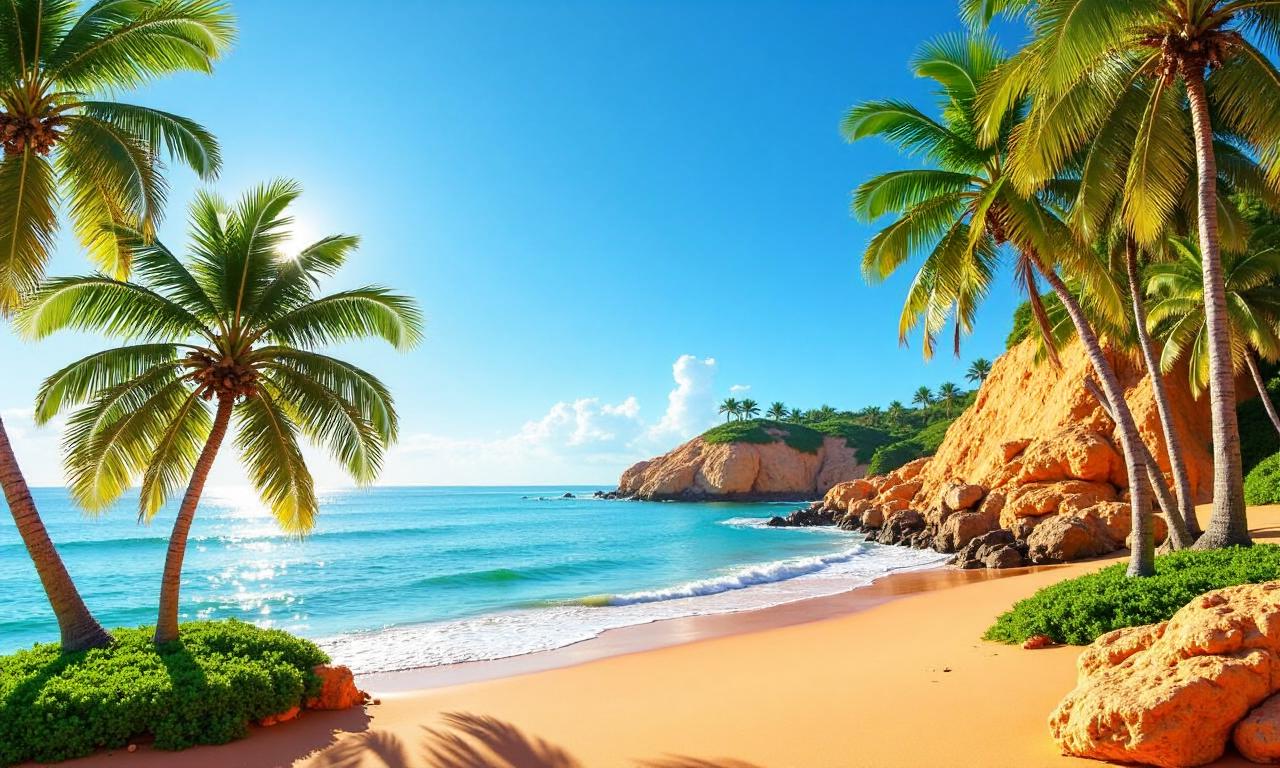
Samael.lol – At the heart of Goa’s coastal charm lies Palolem Beach, a crescent-shaped stretch of sand on the southern edge of the state’s famed shoreline. The sun beats down relentlessly, yet the beach remains a lively hub of activity, its usual throng of visitors now largely composed of locals rather than international tourists. This shift reflects a broader trend: the once-thriving influx of European and Russian travelers, who became synonymous with Goa’s vibrant party culture since the 1960s and 1970s, is waning. In contrast, domestic tourists have become the dominant force, signaling a growing appeal for the region within India itself.
Tourism Statistics Highlight the Trend
According to recent data from Goa’s tourism department, the state has seen a significant drop in foreign visitors. In 2017, nearly 900,000 international tourists flocked to Goa, but by 2025, that number had plummeted to around 500,000. Meanwhile, domestic tourists have surged, increasing from 6.8 million in 2016 to over 10 million in the past year. The tourism minister, Rohan Khaunte, acknowledged the global geopolitical climate as a contributing factor to this decline, stating, “We have to remain both pessimistic and optimistic while planning ahead.”
But the decline in foreign visitors predates recent conflicts, raising questions about the reasons behind the shift. Many travelers, particularly from Europe and Russia, have long been drawn to Goa for its relaxed vibe and affordable escape. Now, however, financial constraints and logistical hurdles are pushing them toward alternatives. “People are just hard up,” said Sophie, a Russian ballet dancer on her fifth trip to the region. “Covid, the war in Ukraine, and now the Middle East situation have made flights so expensive. Money is definitely a factor.”
Others cited visa complications as a key reason. A handful of foreign tourists the BBC spoke to pointed to longer, more cumbersome procedures and a rise in the cost of five-year visas. Ernest Dias, a committee member at Goa’s Department of Tourism and founder of a major travel charter company, noted that these challenges have encouraged European and Russian visitors to explore other Asian destinations, such as Vietnam and Sri Lanka. “Today’s traveler wants to make quick decisions and take last-minute trips. So this [visa delay] is definitely a big contributing factor to the drop in numbers,” Dias explained.
Changing Preferences and Competitive Destinations
Some travelers, like Sophie, mentioned that their friends are now opting for places closer to home, such as Turkey or Egypt, where costs are lower. Rico, a long-time visitor from Newcastle, echoed similar sentiments. “Folks in my country have a lot less money to go overseas. For the last few years, they’ve tended to take more holidays at home,” he said. This shift underscores a growing preference for destinations that offer value for money, even if they lack Goa’s reputation as India’s party capital.
The affordability of Goa’s accommodations has also been a point of contention. While the state’s budget-friendly hotels remain popular, the rise in prices has priced out many international visitors. Dias highlighted that the availability of high-star-rated resorts is more limited in Goa compared to countries like Vietnam, Sri Lanka, and Thailand, where travelers can secure package deals at roughly half the cost. “This is a major issue,” he said, “because the price difference is too steep for some people to justify.”
Infrastructure and Service Challenges
Logistical issues extend beyond visa and pricing. The recent cancellation of a direct London Gatwick-Goa Air India service has disrupted travel plans for some. Nicola, a hairdresser traveling with friends Alison and Dwayne, shared her experience of an unplanned layover in Mumbai due to the axed route. “It wasn’t convenient,” she said, “and my brother chose Sri Lanka instead this year. He found it more affordable and far cleaner than Goa.”
Additionally, the state’s efforts to maintain cleanliness have faced mixed results. While the government has intensified its focus on keeping beaches free of litter, many roads leading to these popular spots remain marred by garbage. Dias admitted that this is a deterrent for foreign tourists, who often prioritize pristine environments. “It’s not a good view,” he said, “especially for foreign visitors who are very particular about cleanliness.”
Another factor cited by Dias is the high cost of taxi fares in Goa. Local unions have resisted the adoption of app-based services, leading to inflated prices. “It’s like living in the Stone Age,” he remarked, “because you can’t get a taxi through your app in Goa anymore. This is a big problem for travelers who rely on convenient transport options.”
The Rise of Domestic Tourism
Despite these challenges, Goa’s domestic tourism sector continues to thrive. The boom in local visitors, coupled with the growth of the MICE (meetings, incentives, conferences, and exhibitions) economy, has created a more competitive market. This surge, however, has made it harder for foreign tourists to access affordable lodging, further accelerating their departure. Dias noted that the state’s tourism infrastructure is now catering more to domestic demand, leaving fewer options for international travelers who might have once prioritized budget-friendly stays.
The evolving dynamics of Goa’s tourism landscape reveal a complex interplay of factors. While the state has maintained its appeal as a destination for Indian tourists, the decline in foreign visitors suggests a need for rethinking its global marketing strategy. For decades, Goa’s reputation as a hippie haven and party hotspot has drawn crowds from around the world, but recent years have seen a shift in priorities. As Sophie put it, “The same place that once felt like a paradise for travelers is now competing with other destinations for our attention.”
With affordability, visa ease, and cleanliness all playing roles in the decline, Goa faces a crucial challenge: adapting to a changing market without losing its cultural essence. The state’s tourism officials remain optimistic, but they acknowledge that addressing these issues requires a multifaceted approach. As Dias emphasized, “We need to make Goa more accessible and cost-effective for international visitors, or we risk becoming a destination that’s more popular at home than abroad.”
The question now is whether Goa can reclaim its position as a top global tourist spot or if it will continue to see a steady shift in favor of other, more accessible destinations. For those who still visit, the experience remains as vibrant as ever, but for many, the price and hassle of traveling to Goa have become too much to bear. As the tourism landscape evolves, the state must find ways to balance its traditional charm with modern demands to stay relevant in the eyes of international travelers.