Deputy British Ambassador to US Abruptly Leaves Post
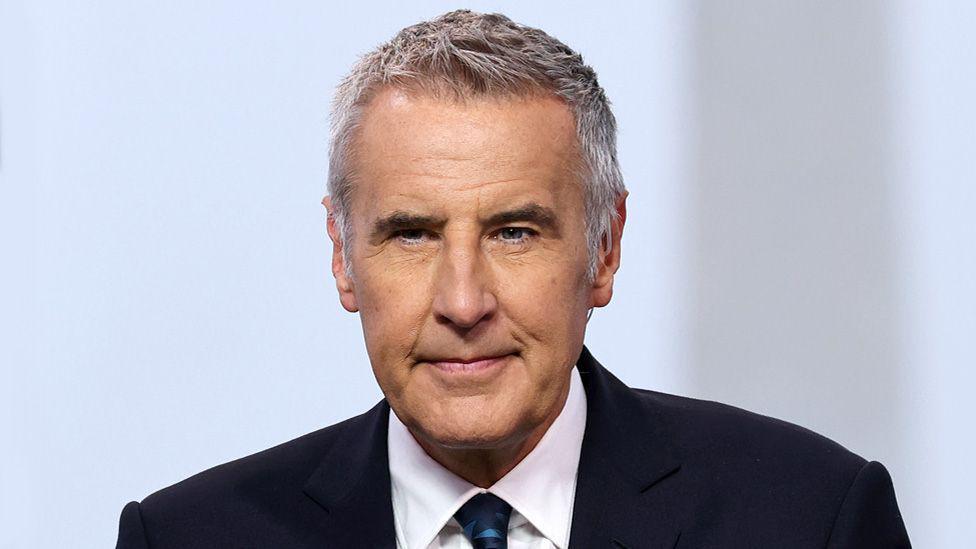
Samael.lol – James Roscoe, the deputy to Britain’s ambassador in Washington, has suddenly vacated his position. The Foreign Office officials offered no immediate explanation for his departure, stating only that he had “left his post” without further details. Roscoe’s sudden exit has raised questions about the reasons behind his resignation, particularly given his prominent role in the British diplomatic service and the high-profile nature of his responsibilities.
Key Role in Diplomatic Engagements
Roscoe held one of the most influential roles within the British diplomatic corps, serving as the second-in-command at the British Embassy in Washington. His position placed him at the forefront of UK-US relations, where he was instrumental in shaping strategic interactions and representing British interests on the global stage. This role also saw him managing critical diplomatic events, including high-profile visits that underscored the alliance’s importance.
“When asked for details regarding the circumstances of Roscoe’s departure, Foreign Office officials provided no immediate clarification.”
His tenure as deputy ambassador coincided with significant developments in international diplomacy. Notably, Roscoe played a pivotal role during President Donald Trump’s state visit to the United Kingdom in 2017, a trip that reshaped transatlantic relations amid shifting political dynamics. More recently, he was involved in organizing King Charles III’s official visit to the United States, which marked a renewed focus on strengthening ties between the two nations.
Temporary Duty After Mandelson’s Sack
Roscoe’s career took an unexpected turn earlier this year when he temporarily stepped into the role of Lord Peter Mandelson, who had been dismissed from his position as chief of staff to the Prime Minister. This interim assignment lasted several months and highlighted his adaptability in handling high-stakes diplomatic tasks. Mandelson’s removal left a void in the UK’s leadership structure, and Roscoe’s ability to manage the transition demonstrated his experience and reliability.
Despite his temporary role, Roscoe remained a key figure in the Foreign Office’s operations. His expertise in navigating complex political landscapes was evident during his time in Washington, where he frequently collaborated with US officials on matters ranging from trade agreements to security partnerships. The suddenness of his departure has sparked speculation about whether internal disagreements or external pressures prompted his exit.
Speculation Over Succession
Roscoe was among the names frequently mentioned in media reports as a potential successor to the ambassadorship. However, the role ultimately went to Sir Christian Turner, a seasoned diplomat with a reputation for steady leadership. While Roscoe’s departure leaves the ambassador’s position open, it also raises questions about the decision-making process within the Foreign Office and the factors that may have influenced the choice of a new appointee.
The British Embassy in Washington has not released any additional statements regarding Roscoe’s exit, and attempts to contact him directly for comment have been unsuccessful. This lack of transparency has fueled discussions about the possible motivations behind his resignation. Some analysts suggest that Roscoe’s departure could be linked to broader changes in the UK’s foreign policy approach or personal career aspirations.
Context of High-Profile Departures
Sudden resignations from senior diplomatic roles are not uncommon, especially in an environment where political and strategic priorities can shift rapidly. Roscoe’s exit follows a pattern of unexpected departures in recent years, reflecting the challenges of maintaining stability in high-stakes positions. His tenure as deputy ambassador, though brief, had a lasting impact on key diplomatic initiatives, including the coordination of major state visits and the management of bilateral negotiations.
One of the most notable aspects of Roscoe’s career was his involvement in the UK’s diplomatic response to global crises. During his time in Washington, he worked closely with US counterparts to address issues such as Brexit negotiations, trade tensions, and international security threats. His ability to represent the UK’s interests effectively in these scenarios earned him recognition within the diplomatic community.
The Foreign Office’s decision to keep details about Roscoe’s departure confidential has led to theories about the underlying causes. Some speculate that his resignation was a result of internal power struggles or a desire to pursue a different path within the UK’s foreign affairs framework. Others believe it may have been a strategic move to reset the embassy’s leadership structure amid evolving geopolitical challenges.
Impact on UK-US Relations
Roscoe’s departure comes at a critical juncture for UK-US relations, as both nations work to align on issues such as climate change, technological collaboration, and global security. His absence may create a temporary gap in the coordination of diplomatic efforts, particularly in the lead-up to upcoming international summits or policy announcements. The Foreign Office has emphasized the importance of continuity in its foreign affairs strategy, but the lack of clarity surrounding Roscoe’s exit has left some uncertainty.
Despite the abrupt nature of his departure, Roscoe’s contributions to the UK’s diplomatic mission are widely acknowledged. His work on Trump’s state visit and Charles III’s recent trip to the US has been cited as a testament to his diplomatic acumen. Analysts suggest that his exit could signal a shift in the Foreign Office’s approach to managing high-profile engagements, potentially opening the door for new strategies or leadership styles.
As the search for Roscoe’s replacement continues, the British Embassy has reassured stakeholders that the transition will be managed smoothly. However, the absence of an official statement has left room for speculation, with some observers suggesting that his departure might be linked to broader changes in the UK’s diplomatic priorities. The Foreign Office’s silence on the matter has only added to the intrigue, prompting further analysis of the implications for the UK’s international standing.
In the absence of clear explanations, the focus has shifted to the legacy of Roscoe’s tenure. His ability to navigate complex diplomatic scenarios and represent the UK’s interests effectively has been praised by colleagues and analysts alike. While the reasons for his abrupt departure remain unclear, his career highlights the challenges faced by diplomats in high-profile roles and the importance of adaptability in an ever-changing global landscape.
As the UK continues to refine its diplomatic strategies, Roscoe’s exit serves as a reminder of the dynamic nature of international relations. The Foreign Office’s decision to withdraw from commenting on the matter may indicate a desire to avoid premature speculation, but it also underscores the uncertainty surrounding such high-level transitions. The diplomatic community remains keen to understand the full story behind Roscoe’s departure, as it could shape the future direction of UK-US cooperation.