Russian Jets ‘Dangerously’ Intercept RAF Spy Plane Over Black Sea
Samael.lol – Last month, a series of dramatic aerial encounters unfolded over the Black Sea, with Russian fighter jets aggressively engaging an RAF surveillance aircraft. According to the Ministry of Defence (MoD), two Russian warplanes “repeatedly and dangerously” maneuvered close to the unarmed Rivet Joint plane, escalating tensions in the region. The incident, which occurred during a routine mission, highlights the growing assertiveness of Russian military forces in international airspace.
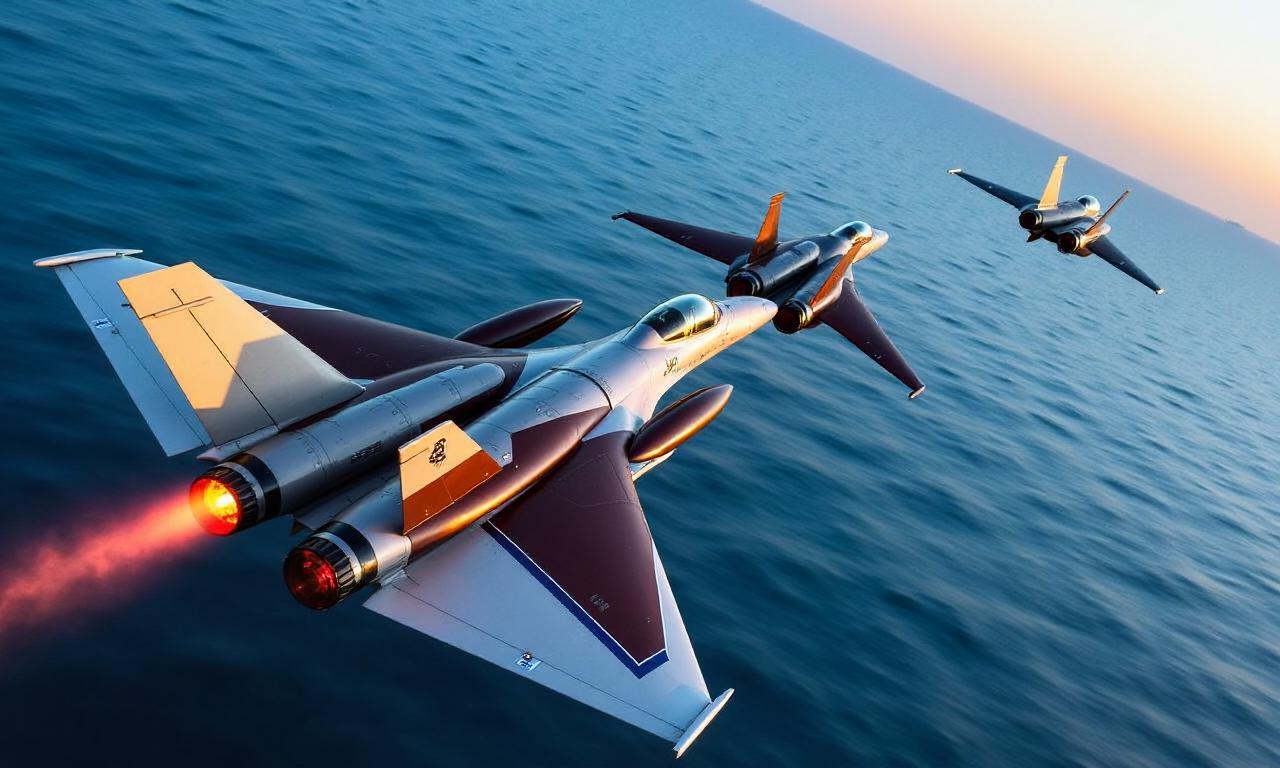
The MoD reported that a Russian Su-35 fighter approached the Rivet Joint, getting within a dangerously short distance before triggering its emergency protocols. This action caused the aircraft’s autopilot system to fail, forcing the crew to take manual control. Meanwhile, another Su-27 jet executed six passes in front of the RAF plane, coming as near as six metres (19 feet) to its nose. Such proximity raises concerns about the risk of collision or accidental engagement, particularly in contested airspace.
Defence Secretary John Healey condemned the intercepts, calling them “unacceptable” and highlighting the “outstanding professionalism” of the RAF crew. He emphasized that the actions of Russian pilots posed a significant threat to international operations. “This incident is another example of dangerous and unacceptable behaviour by Russian pilots, towards an unarmed aircraft operating in international airspace,” Healey stated in a blockquote. “These actions create a serious risk of accidents and potential escalation.”
“This incident will not deter the UK’s commitment to defend NATO, our allies and our interests from Russian aggression,” Healey added, underscoring the country’s resolve despite the provocation.
The MoD has since urged the Russian embassy to issue a formal condemnation of the event. This latest episode follows a similar occurrence in September 2022, when a “rogue” Russian pilot attempted to shoot down an RAF Rivet Joint over the Black Sea. At that time, the pilot fired two missiles, with the first one reportedly missing the aircraft rather than malfunctioning as initially claimed. Russia had attributed the incident to a “technical malfunction,” but three senior Western defence sources later suggested the missile was launched in response to an ambiguous command from a Russian ground station.
Analysts note that the current intercepts mark the most perilous Russian action since the 2022 incident. The MoD stressed that the Rivet Joint had been conducting a standard international flight to bolster NATO’s eastern flank security. “The aircraft’s mission was to gather strategic data and support Allied operations in the region,” a MoD spokesperson said, adding that the close calls underscore the need for heightened vigilance.
In recent weeks, Russian aggression has intensified, with the MoD pointing to increased submarine activity near critical underwater infrastructure in the North Sea. This development has raised alarms among NATO allies, who view such actions as part of a broader strategy to assert dominance in key maritime and aerial corridors. The latest intercepts over the Black Sea add to the narrative of escalating military posturing by Moscow.
The RAF’s RC-135W Rivet Joint, operated by No 51 Squadron, is a vital asset in intelligence gathering. The aircraft is based in Lincolnshire and equipped with advanced sensors to “intercept and analyse signals across the electromagnetic spectrum, providing real-time strategic and tactical intelligence,” as stated on the RAF website. Its presence in the Black Sea region is part of a larger effort to monitor Russian military movements and support NATO’s surveillance capabilities.
While the MoD acknowledged Russia’s explanation for the 2022 incident, it has since raised questions about the true intent behind the pilot’s actions. “There is evidence to suggest the missile was fired in response to a Russian ground station’s unclear directive,” one Western defence analyst noted. This theory aligns with concerns that Russian forces may be testing their ability to engage NATO aircraft without explicit orders, potentially escalating conflicts.
The intercepts have sparked a renewed focus on the need for international protocols to prevent such incidents. The MoD and Foreign Office have called for a formal response from the Russian embassy, urging it to recognize the severity of the actions taken. “The UK remains steadfast in its support for NATO’s collective defence, regardless of the challenges posed by Russian aggression,” a Foreign Office statement reiterated.
With tensions rising, the incident serves as a reminder of the fragile balance between military deterrence and accidental conflict. The Rivet Joint’s mission, though routine, has placed it in the crosshairs of Russian fighter jets, illustrating the high stakes of aerial encounters in contested zones. As Russia continues its operations, the MoD remains vigilant, ensuring that the UK’s commitment to NATO is unshaken.
Experts warn that such intercepts could become more frequent, particularly as Russian forces seek to demonstrate their capability to challenge NATO aircraft. The proximity of the Su-27 to the Rivet Joint, and the Su-35’s activation of emergency systems, signals a deliberate effort to intimidate. This approach contrasts with previous incidents, where Russian pilots may have acted with more caution or under less pressure.
Meanwhile, the MoD has emphasized that the RAF crew’s response was calm and effective, showcasing their training and preparedness. “The professionalism of the crew ensured the mission could continue safely despite the threats,” a MoD official remarked. The incident also underscores the importance of real-time intelligence in modern warfare, with the Rivet Joint’s capabilities playing a crucial role in NATO’s strategic awareness.
As the situation develops, the UK and its allies are likely to take a firm stance on Russia’s actions. The MoD has already begun consultations with NATO partners to discuss potential measures, including increased air patrols and enhanced communication protocols. “We are committed to protecting our interests wherever they are threatened,” Healey reaffirmed, aligning with the broader NATO strategy to counter Russian encroachment.
With the Black Sea becoming a hotspot for military activity, the incident raises questions about the future of aerial operations in the region. The RAF’s continued presence, combined with the threat of Russian aggression, sets the stage for further confrontations. As both sides navigate this complex landscape, the outcome will have significant implications for international relations and military cooperation.
Context of Russian Aggression
The recent intercepts are part of a pattern of Russian assertiveness in the Black Sea, where it has been conducting regular patrols and exercises. This includes the deployment of fighter jets to monitor NATO operations and challenge the presence of allied aircraft. The MoD highlighted the increased activity as a sign of Moscow’s growing confidence in its military capabilities.
Additionally, the MoD noted that Russian submarines have been operating near British infrastructure in the North Sea, adding to the sense of urgency. These actions are seen as a strategic move to assert control over critical maritime routes and test the response of NATO members. The intercepts over the Black Sea fit into this broader context, reinforcing the idea that Russia is seeking to intimidate and assert dominance across multiple fronts.
With the UK and other NATO countries facing a dual threat of aerial and maritime challenges, the need for coordinated defence strategies has never been more pressing. The Rivet Joint’s mission, though focused on surveillance, has now become a symbol of the ongoing struggle between Russia and the West. As the MoD continues to monitor developments, it remains committed to ensuring the safety of its assets and the security of its allies.