UNESCO World Heritage Sites Face Climate Change Challenges
Samael.lol – Across the globe, from the remote shores of Rapa Nui to the ancient walls of China, some of the world’s most celebrated cultural landmarks are now vulnerable to the effects of climate change. Rising temperatures and shifting weather patterns are creating new risks for these sites, which have long been protected from other threats like conflict. While wars and political upheavals have historically endangered heritage locations—recently seen in Iran and Ukraine—a growing concern is the gradual but severe impact of climate change on these historical treasures.
Environmental Pressures on Mesopotamian Monuments
UNESCO-listed sites, including the 4,000-year-old pyramid temples of ancient Iraq, are experiencing heightened erosion. A 2025 report highlighted that 80% of World Heritage sites are under climate-related stress, as materials like wood and stone struggle to withstand increased heat and more frequent storms. In southern Iraq, the southern cities’ ancient structures are at risk due to extreme weather conditions.
The Ziggurat of Ur, a monumental pyramid built to honor the moon god Nanna, is deteriorating as shifting sands and strong winds erode its northern edge. Additionally, rising groundwater levels, exacerbated by prolonged droughts, are causing salt deposits to form within the mud bricks of the site. Kazem Hassoun, an inspector from the antiquities department in Dhi Qar, explained that these salt crystals could ultimately lead to the “complete collapse of the mud bricks” at the Royal Cemetery of Ur.
Threats to Iraqi Archaeological Sites
Further up the Euphrates River, the archaeological ruins of Babylon are also suffering. High salinity levels are compromising ancient clay structures, making them more susceptible to damage. At the Temple of Ninmakh, a 7th-century B.C.E. monument dedicated to the fertility goddess, experts are employing a 7,000-year-old method to create salt-resistant mudbricks.
Climate Vulnerability in Iran
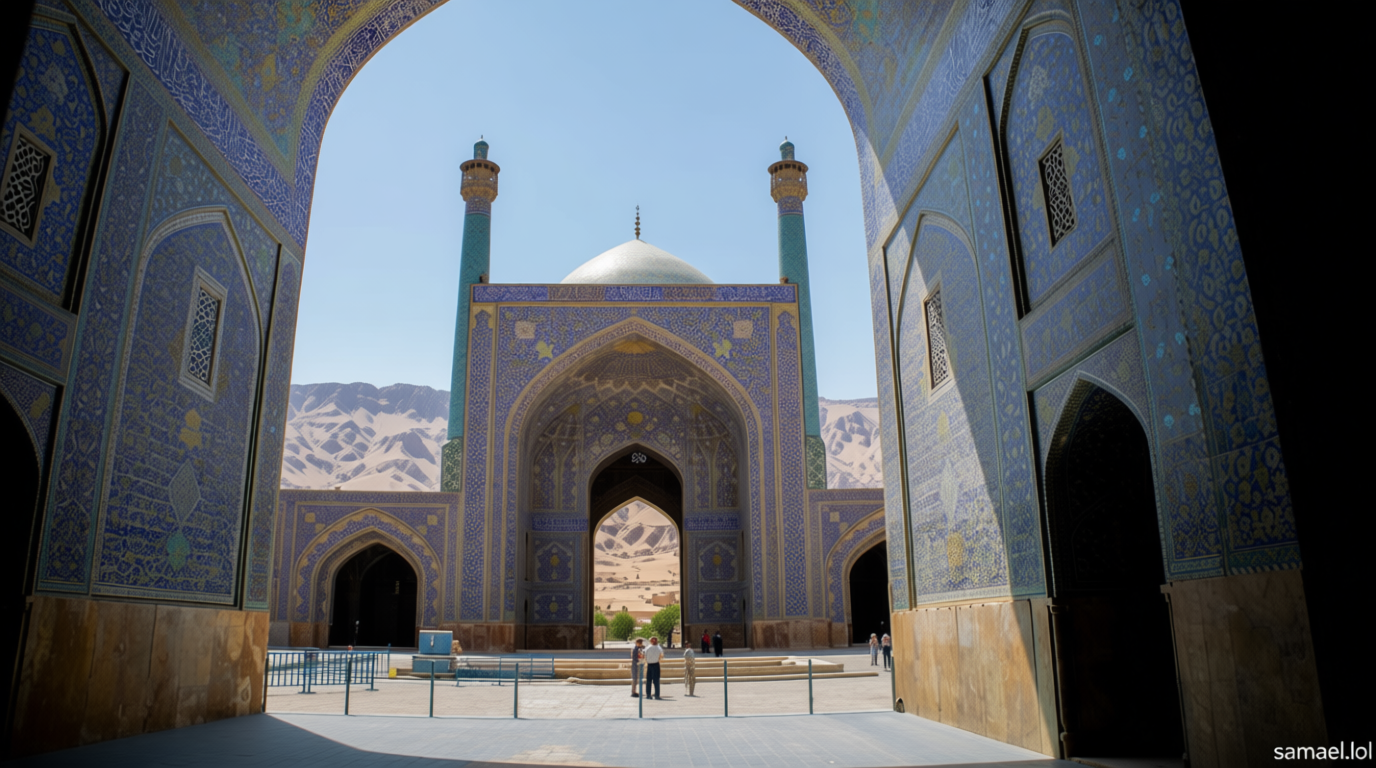
Iran’s religious monuments, including the famed mosques of Isfahan, face increasing threats from climate shifts. The Masjed-e Jame, or Friday Mosque, symbolizes 12 centuries of architectural evolution. Built in 841 C.E. and continuously modified, it is recognized by UNESCO as a “museum of Iranian architecture.” Its domes and intricate stucco designs once served as a model for religious and educational buildings across Iran, Iraq, and Syria.
However, the Meidan Emam complex, which includes the Imam Mosque, is already feeling the strain of climate change. Sinking land caused by dwindling groundwater and extreme temperature swings are contributing to structural instability. UNESCO warned that these changes could lead to the collapse of ancient edifices like the Imam Mosque and Masjed-e Jame if not addressed swiftly.
Sea Level Rise Endangers Easter Island’s Statues
On Rapa Nui, or Easter Island, the Moai statues—Rapa Nui’s iconic stone figures—are at risk of being submerged within 50 years. A 2025 study by the University of Hawaii predicted that seasonal waves, driven by sea level rise, could damage the Ahu Tongariki platform, which houses 15 statues from around 800 years ago. The research also identified 51 cultural assets in the region vulnerable to coastal flooding.
“This research reveals a critical threat to the living culture and livelihood of Rapa Nui,” said Noah Paoa, a University of Hawaii researcher and lead author of the study. “For the community, these sites are an essential part of reaffirming identity and heritage.”