Ebola Risk Raised to ‘Very High’ in DR Congo
Samael.lol – The World Health Organization (WHO) has upgraded the public health risk associated with the ongoing Ebola outbreak in the Democratic Republic of Congo (DRC) from “high” to “very high,” signaling a significant escalation in the threat level. This reassessment came during a Friday update, where WHO Director-General Dr Tedros Adhanom Ghebreyesus emphasized the gravity of the situation both nationally and regionally. While the risk in the wider African region remains “high,” the global impact is still categorized as “low,” according to the latest risk evaluation.
Unique Strain and Limited Tools
The outbreak is linked to the Bundibugyo strain of the Ebola virus, a less common variant that has no established vaccine. This strain is known to kill approximately one-third of those infected, making it particularly challenging to control. As of the latest reports, the DRC has seen 177 suspected deaths and 750 suspected cases, with the virus continuing to spread in the eastern regions of the country. Dr Vasee Moorthy, WHO’s research and development adviser, highlighted the urgency of addressing the Bundibugyo strain, noting that its rarity means fewer resources are dedicated to combating it compared to more prevalent strains like Zaire.
Despite the absence of a proven vaccine for this strain, scientists at Oxford University are actively working on a new vaccine candidate. Based on the same technology used for the AstraZeneca Covid-19 vaccine, this development could see clinical trials initiated within two to three months. However, Dr Tedros acknowledged that success is not guaranteed, as the vaccine’s effectiveness must be validated through animal studies and human testing. The BBC confirmed that animal trials are already underway in Oxford, a critical step before advancing to human trials.
Vaccine Production and Timeline
The Serum Institute of India is set to mass-produce the Ebola vaccine once Oxford can supply medical-grade material for testing. This partnership aims to expedite the availability of the vaccine for affected populations. Meanwhile, a separate experimental Bundibugyo vaccine is also in development, though it may take six to nine months before any doses are ready for human testing. Dr Moorthy described this second vaccine as “the most promising,” drawing parallels to Ervebo, the existing treatment for Zaire strain Ebola.
The WHO’s recent declaration of a public health emergency of international concern underscores the urgency of the situation. However, the organization clarified that the outbreak does not yet meet the criteria for a pandemic. Dr Tedros stressed the importance of community trust, warning that ongoing violence and insecurity in the war-torn DRC are complicating efforts to contain the virus. Rebel-held areas within the DRC have also reported confirmed cases, adding to the complexity of the response.
Escalating Tensions in the DRC
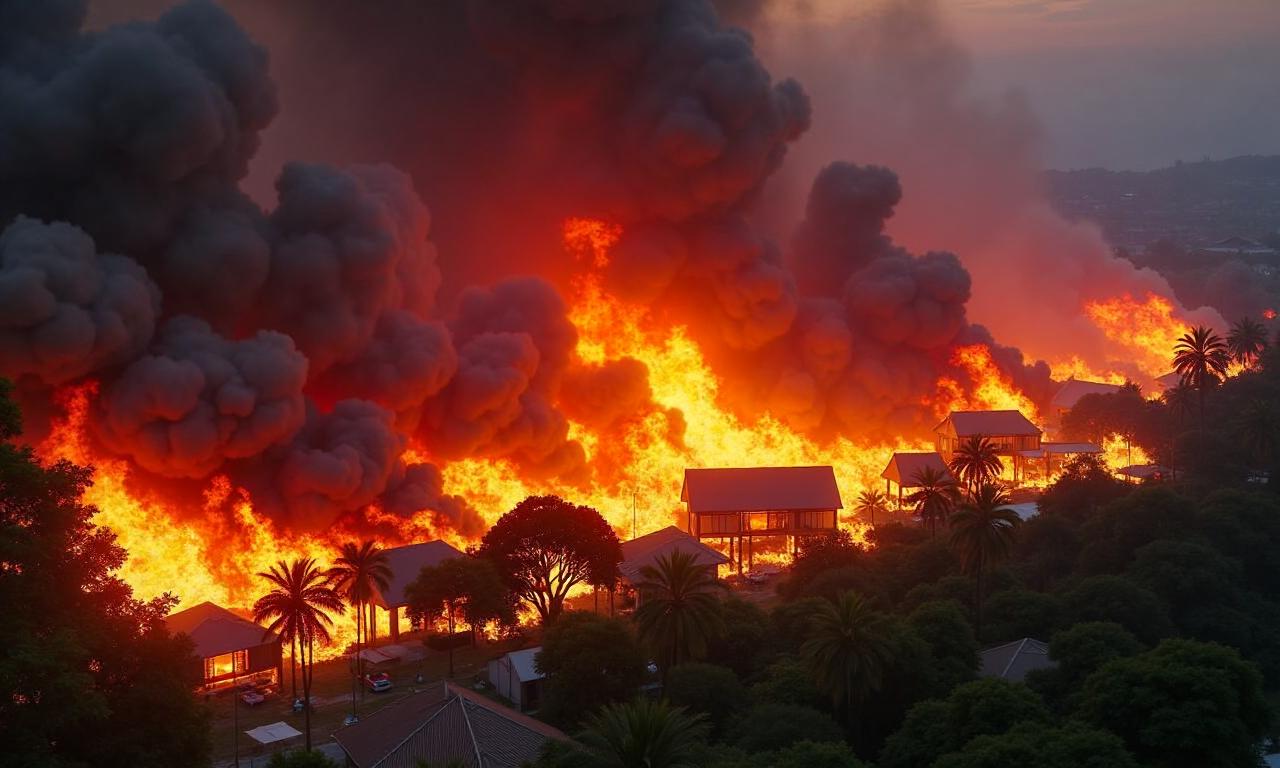
Recent events in eastern DR Congo have intensified fears among residents. On Sunday, relatives of an Ebola patient in Rwampara General Hospital set it on fire after health workers refused to release the body of a deceased individual. The decision to keep the body contained was made to prevent further spread, but it sparked outrage. Local politician Luc Malembe Malembe recounted the chaos, stating that “they started throwing projectiles at the hospital” and that “they even set fire to tents that were being used as isolation wards.” Police responded by firing warning shots to disperse the crowd.
“They started throwing projectiles at the hospital,” local politician Luc Malembe Malembe told the BBC about the scene he witnessed at Rwampara General Hospital. “They even set fire to tents that were being used as isolation wards.”
The incident highlights the growing anxiety in Ebola-affected areas. A young taxi rider in Rwampara described the emotional toll, saying, “Ebola has tortured us,” and expressing fear over the rapid pace of deaths. Fred Kiza, another resident, added that such fear is “normal when there’s a disease like this,” emphasizing the psychological impact of the outbreak.
“I am scared because people are dying very fast… we are really afraid,” said a young taxi rider in Rwampara. “Ebola has tortured us.”
Medical workers at the hospital near Bunia in Ituri province, where the majority of cases have been reported, are now under military protection as authorities work to restore order. The situation has been exacerbated by the high infectiousness of Ebola victims’ bodies, which require safe burial practices to prevent transmission. Despite these measures, the outbreak continues to challenge both healthcare workers and local communities.
Regional Spread and Global Implications
While the DRC remains the epicenter, the virus has spread to neighboring Uganda, where two confirmed cases of the Bundibugyo strain have been identified, resulting in one death. Dr Tedros noted that the Ugandan cases were linked to individuals who had traveled from DR Congo, indicating the potential for cross-border transmission. This regional spread has raised concerns about the virus’s ability to move beyond the DRC’s borders, though the global risk remains low.
Dr Tedros reiterated the WHO’s risk assessment during a Friday briefing in Geneva, stating, “We are now revising our risk assessment to very high at the national level, high at the regional level, and low at the global level.” The updated classification reflects the virus’s growing presence within the DRC and its spread to nearby regions, while global travel and trade remain less affected. However, the organization is closely monitoring the situation to ensure it does not escalate further.
As the outbreak progresses, the focus remains on rapid vaccine development and distribution. The Oxford project, with its potential for quicker clinical trials, offers a glimmer of hope, but the longer timeline for the other vaccine candidate means that containment efforts must continue. The WHO’s call for trust in the face of violence and insecurity is crucial for ensuring the community’s cooperation in curbing the virus’s spread. With the death toll rising, the situation in the DRC serves as a stark reminder of the challenges posed by rare yet deadly pathogens like the Bundibugyo strain.
Challenges and Hope
The Bundibugyo strain’s limited prevalence has left researchers scrambling to develop targeted interventions. Unlike the Zaire strain, which is more commonly encountered, this variant’s rarity has resulted in fewer studies and tools to combat it effectively. However, the recent progress in vaccine research signals a potential turning point. While challenges remain, the collaboration between Oxford University and the Serum Institute of India demonstrates a coordinated effort to address the crisis.
Dr Tedros’s comments highlight the dual focus of the WHO: addressing the immediate threat within the DRC and preparing for broader regional and global implications. The organization’s role in coordinating international efforts and providing resources is vital, especially in areas where local infrastructure is strained by conflict and insecurity. As the situation evolves, the success of the new vaccines will be key in mitigating the impact of the outbreak and restoring confidence in the affected communities.