How Long Will the Heatwave Last? UK Experiences Record-Breaking Temperatures in May
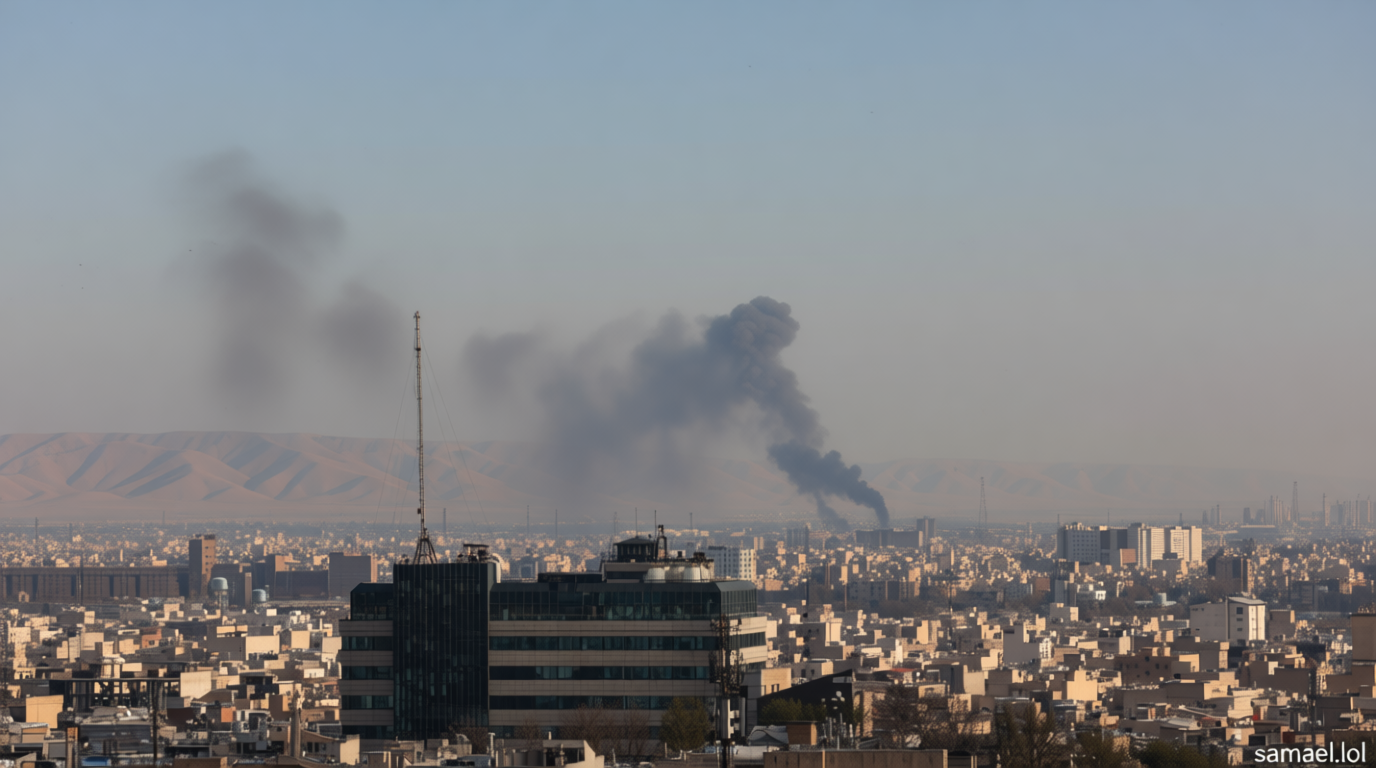
Samael.lol – Residents across the UK are grappling with an extended period of extreme heat, as the current heatwave event shows no signs of abating. With temperatures reaching unprecedented levels for the month, the nation has been in the grip of a relentless spell of scorching weather, setting records that have left experts questioning the duration of this intense heatwave. On Tuesday, Kew Gardens in London broke May’s previous high by hitting 35.1°C, a milestone that underscores the severity of the situation. This has triggered a series of amber heat health alerts across regions including the south-west of England, the West Midlands, and parts of the southeast, as the impact of the heatwave continues to be felt.
As the heatwave event stretches into its third week, meteorological reports indicate that temperatures in southeast England have remained above 34°C for two consecutive days, creating a sustained period of uncomfortable warmth. The National Weather Service is closely tracking these conditions, noting that while the peak intensity of the heatwave appears to be easing, its effects are still widespread. Many areas have seen temperatures climb consistently above 30°C, raising concerns about the potential for prolonged heat stress on both human health and the environment.
Changing Patterns and Cooling Trends
Weather forecasts suggest that cooler air from the north and east may begin to infiltrate the region by Wednesday, offering a temporary reprieve from the oppressive heat. This shift in atmospheric conditions is expected to lower temperatures by up to 10°C in certain locations, reducing peak readings to 19-23°C. However, the cooling effect is not uniform, with Wales and the southwest remaining under the heatwave’s influence. Despite the arrival of fresher air, these regions could still experience temperatures of 30°C or higher, keeping them within the heatwave threshold.
Experts attribute the return of milder weather to shifting wind patterns from the North Sea, which are gradually easing the pressure of the current heatwave event. Yet, the resurgence of hot air from France is anticipated by Thursday, pushing temperatures back upward. This highlights the dynamic nature of the heatwave, which is influenced by larger climate systems. By the first week of June, the jet stream’s movement is expected to introduce new weather dynamics, potentially bringing rain and lower pressure systems that could moderate the heatwave’s intensity.
“Today’s heat events are emerging earlier, intensifying faster, and occurring against a warmer climate backdrop,” noted Ed Hawkins, a climate scientist at the University of Reading. His analysis aligns with global climate trends, emphasizing that the UK’s heatwave event is part of a broader pattern of rising temperatures.
Hawkins’ insights shed light on how climate change is reshaping the UK’s seasonal norms. The May heatwave event is not an isolated anomaly but a symptom of a changing climate, where heat extremes are becoming more frequent and severe. Historically, temperatures of 30°C or above in May were rare, but this year’s record-breaking heat has set a new precedent. The prolonged exposure to such conditions has prompted discussions about the long-term implications of the heatwave event and the need for adaptive strategies.
Impact and Adaptation Strategies
While the heatwave event may be in its final stages, its lingering effects demand continued vigilance. Public health officials and energy planners are monitoring the situation to assess the long-term consequences of the current heatwave event. The sustained high temperatures have already strained energy grids, increased water consumption, and heightened the risk of heat-related illnesses, particularly for the elderly and those in vulnerable communities.
Adaptation strategies are emerging as a critical response to the heatwave event. Authorities are advising residents to take preventive measures, such as staying hydrated, using fans or air conditioning, and avoiding prolonged exposure to the sun during peak hours. These steps are essential for mitigating the impacts of the heatwave event, especially as the weather continues to fluctuate between intense warmth and brief cooling spells. The National Weather Service is also working to communicate these changes effectively, ensuring the public is informed about the potential for the heatwave event to persist beyond its current peak.