The Mères Lyonnaises: The women who first cooked and baked Lyon’s gastronomic legend
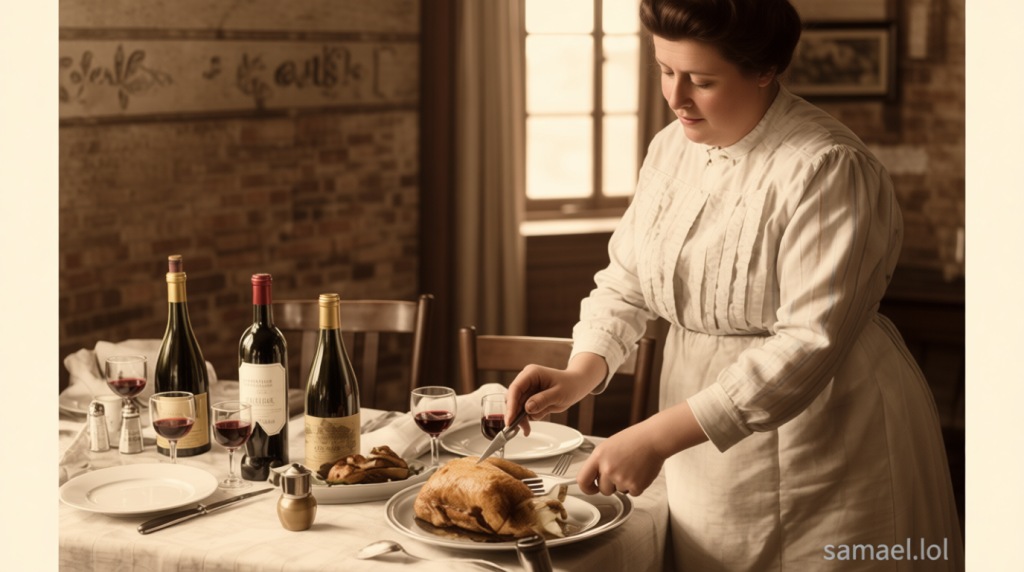
The Mères Lyonnaises: Pioneers of Lyon’s Culinary Legacy
Long before the rise of renowned chefs as cultural icons, the women of Lyon shaped the city’s gastronomic identity through their dedication to cooking and baking. While names like Paul Bocuse and Joël Robuchon are often celebrated as pioneers of haute cuisine, the true bedrock of Lyon’s culinary reputation was laid by the Mères Lyonnaises—women who transformed regional flavors into enduring traditions.
The Unsung Founders
These cooks, many from humble origins, initially served in the homes of Lyon’s affluent families before establishing their own restaurants in the 19th and early 20th centuries. Their dishes, steeped in local ingredients and techniques, became synonymous with the city’s food culture. Over time, their culinary practices were woven into Lyon’s reputation as a gastronomic hub, influencing generations of chefs.
Eugenie Brazier: A Culinary Icon
Brazier, one of the most influential figures among the Mères, earned the title “La Mère Brazier” (The Mother of Modern French Cooking). Her journey began in a rural village, where she worked on farms from a young age after her mother’s death. At 19, she moved to Lyon, where she found herself in a bourgeois household, stepping into the kitchen when the family cook fell ill. This marked the start of her rise, guided by mentors like Françoise Fayolle, also known as
“Mère Fillioux”
.
The Mère Tradition
Throughout the 19th and 20th centuries, numerous women bore the Mère designation, including Mère Bourgeois, Mère Bizolon, and La Mélie. Mère Fillioux, in particular, was revered as the “empress” of the group. She popularized dishes like quenelles and poularde demi-deuil, which would later define Brazier’s culinary repertoire. Meanwhile, Mère Léa, or Léa Bidaut, opened La Voûte chez Léa in 1943, renowned for its rich Lyonnais specialties, such as choucroute au champagne.
Breaking Barriers
Élisa Blanc, a Mère in the nearby village of Vonnas, demonstrated that women could achieve international acclaim through regional cooking. She secured Michelin recognition in 1929 and 1931, paving the way for the Georges Blanc family dynasty. Brazier, however, stood out as a trailblazer. Born on 12 June 1895 in La Tranclière, Ain, she opened her first restaurant in Lyon on 2 April 1921, offering dishes like artichoke hearts with foie gras and sole meunière that elevated her reputation.
A Historic Achievement
By 1932, Brazier had earned two Michelin stars for her initial establishment, and a second restaurant near Pollionnay received two stars the same year. A year later, both locations were awarded three stars, giving her six in total. This feat made her the first chef to secure six Michelin stars across two restaurants and the first woman to reach such a milestone. Her success was extraordinary, considering her rural upbringing and lack of elite training.
Brazier’s legacy endures beyond her kitchens. Paul Bocuse, a 21st-century icon, acknowledged her foundational role, highlighting how her simple, ingredient-driven approach became a benchmark for French cuisine. The Mères Lyonnaises not only preserved Lyon’s culinary heritage but also ensured that women’s contributions to gastronomy remain a vital part of its history.