Andy Burnham’s Path to Downing Street
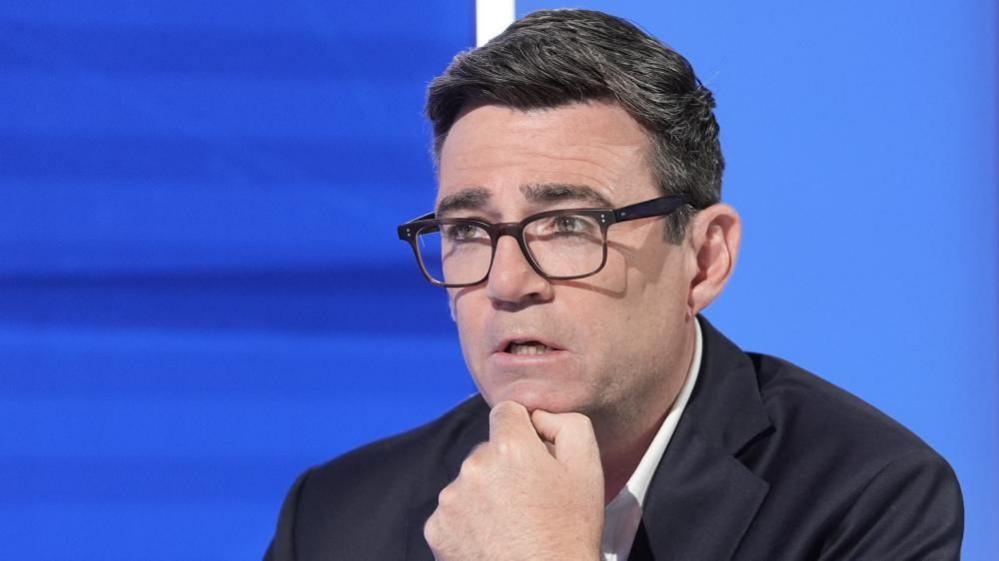
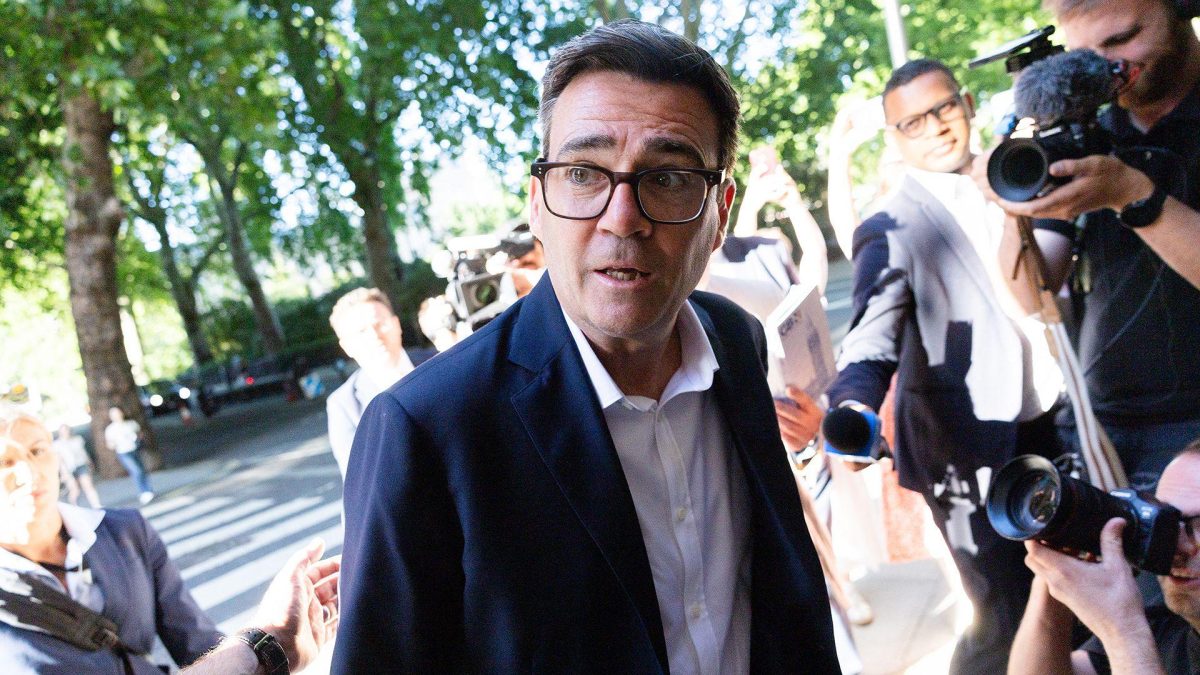
Samael.lol – Monday marks a significant moment in British political history as Andy Burnham prepares to assume the role of prime minister, succeeding Sir Keir Starmer at the historic No 10 Downing Street residence. Having secured the Labour Party leadership position on Friday, Burnham joins an exclusive group as the fourth individual to hold the premiership within a five-year span.
The formal transition begins at Buckingham Palace, where Sir Keir will present his resignation to King Charles III. Following this ceremonial exchange, the monarch will summon Burnham to discuss the formation of a new government. Upon accepting this responsibility, Burnham will officially become the United Kingdom’s head of government before proceeding to Downing Street for what is anticipated to be an address outside the famous black door.
Policy Priorities Under New Leadership
While Burnham has maintained relative discretion regarding detailed policy announcements, several key areas have emerged as priorities for his administration. Economic concerns top the agenda, with expectations that the new prime minister will outline strategies designed to provide citizens with relief from mounting living expenses.
On the technology front, Burnham intends to abandon proposed digital identification schemes for all British adults. According to his office, this decision reflects a desire to concentrate attention on everyday challenges confronting people throughout the nation rather than implementing broad technological initiatives.
Energy policy represents another crucial dimension of Burnham’s approach. The incoming prime minister will reveal intentions regarding additional oil and gas extraction operations in the North Sea. Industry sources indicate these measures will primarily support currently licensed operations rather than introducing entirely new drilling permits.
Regarding water infrastructure, Burnham has advocated for increased public oversight of both water and energy utilities, though he has avoided committing to complete nationalization. Creditors to Thames Water, the nation’s largest water provider, are reportedly preparing legal challenges against any potential nationalization efforts.
Tax and Governance Reforms
Taxation policy offers considerable flexibility according to Burnham’s statements. In discussions with LBC radio, he proposed potentially increasing warehouse business rates to finance reductions for pubs and certain retail establishments. Nevertheless, he has committed to maintaining Labour’s 2024 election pledges regarding VAT, income tax, and National Insurance contributions, while leaving open the possibility of introducing a wealth tax.
Decentralization represents a cornerstone of Burnham’s vision. He aims to transfer substantial authority from Westminster to local councils and regional authorities, particularly concerning housing development and transportation planning. A distinctive element of this strategy involves establishing an additional executive center located more than 150 miles north of London, situated in Manchester.
Building the New Government
As Burnham prepares to assemble his cabinet, considerable attention focuses on selecting a chancellor to succeed Rachel Reeves. While Energy Secretary Ed Miliband was initially considered the strongest contender, Home Secretary Shabana Mahmood has gained momentum as the leading candidate. The appointment process requires careful consideration of party faction representation alongside gender balance within senior positions.
Personal appointments have already begun, with Burnham naming James Purnell, a trusted ally from his previous government service, as chief of staff. Louise Haigh, who previously served as transport secretary and managed Burnham’s successful by-election campaign, is expected to receive a ministerial position within the Downing Street team.
Personal Background and Character
Burnham’s personal life has remained largely private. He is married to Marie-France van Heel, whom he encountered as fellow students at Cambridge University’s Fitzwilliam College in 1989. Their relationship has spanned over three decades, with marriage occurring in the early 2000s. Van Heel has built a distinguished career in marketing and strategy, notably contributing to Sky Communications and participating in logo designs for both the BBC and England Rugby.
The couple raises three children: Jimmy, Rosie, and Annie. Born in Liverpool in 1970 and raised in Cheshire, Burnham remains a devoted Everton supporter with a strong interest in sports. His academic background includes studying English at Cambridge, followed by journalism work before transitioning into politics during his twenties.
Burnham entered Parliament in 2001 and served in cabinet positions under Gordon Brown before departing his parliamentary seat in 2017. Throughout his career, he has demonstrated ambition for national leadership, having contested the Labour leadership on two separate occasions.
Burnham promises to ‘bring back hope’ as he becomes Labour leader, signaling a fresh chapter for British politics.