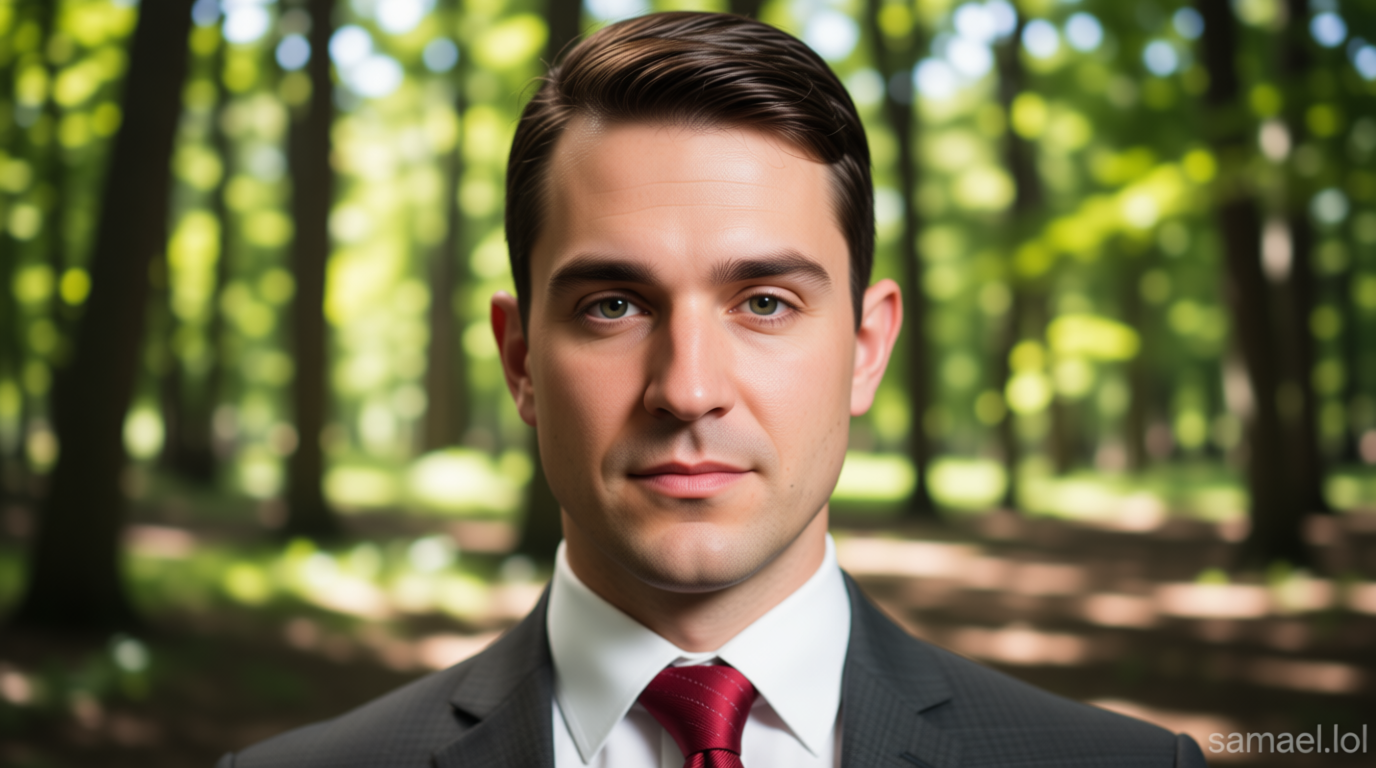
Andy Burnham: ‘King of the North’ with eyes on the top job
Samael.lol – Andy Burnham, a political figure deeply rooted in the North of England, is once again positioning himself as a leading contender for the Labour leadership. With a history of competing for the party’s highest office, he has returned to the spotlight after a period of decline in Labour’s fortunes. His recent efforts to secure a place in the Westminster arena have drawn attention, particularly as he seeks to revive the party’s fortunes and challenge Sir Keir Starmer. However, Burnham’s path to the leadership is not without hurdles, as his eligibility hinges on becoming an MP, a prerequisite for the role.
Burnham’s bid for the Labour leadership has gained momentum following a string of poor poll results and a disappointing performance in the 2024 general election. The support he has received from fellow Labour MPs suggests he is seen as a viable option for restoring the party’s credibility. To make this possible, he has enlisted the help of an MP who agreed to step down, allowing Burnham to contest a by-election in the Makerfield constituency. This strategic move aims to give him the necessary platform to challenge Starmer, whose leadership has faced scrutiny in recent months.
While Burnham’s candidacy is far from guaranteed, he has received a crucial endorsement from Sir Keir Starmer, who has indicated he will not obstruct Burnham’s bid. Yet, the final decision rests with the local party and its electorate, who must approve him as a candidate. The Makerfield seat, which Reform UK claimed second place in the 2024 election with 5,399 votes, has become a focal point for Burnham’s campaign. His goal is to reconnect with the voters in this area, many of whom have shifted their support to other parties in recent years.
“I truly do not take a single vote for granted and will work hard to regain the trust of people in the Makerfield constituency, many of whom have long supported our party but lost faith in recent times,” Burnham said in a recent statement.
Burnham’s political journey has been marked by a blend of grassroots engagement and high-level policy work. His early career in journalism, which included roles at trade magazines like Tank World and Passenger World Management, laid the groundwork for his future ambitions. At the age of 14, he was inspired to join the Labour Party after watching the BBC drama *Boys from the Blackstuff*, which depicted the struggles of working-class families in Liverpool. This personal connection to the party’s ideals has shaped his approach to politics, emphasizing a focus on local issues and community impact.
Born in Liverpool in 1970, Burnham grew up in Culcheth, a quiet village in Cheshire near Warrington. His parents, a BT engineer and a GP receptionist, were both committed Labour supporters, instilling in him a strong political awareness from a young age. His school years included a notable moment when he stood for a Labour candidacy in a mock election, winning by a significant margin. This early success foreshadowed his future role as a prominent figure in the party.
Burnham’s career in politics began in earnest after graduating from Cambridge with a degree in English. He quickly moved into the media world, but his passion for public service led him to join the Labour Party. His early 20s saw him working as a researcher for Tessa Jowell, the MP for Dulwich and West Norwood, who later became a minister under Tony Blair and Gordon Brown. This experience provided him with insight into the inner workings of Westminster, though he would later express frustration with its complexities.
By 2001, Burnham had been elected as the MP for Leigh, a constituency in Greater Manchester, which became his political base. His tenure in Parliament included roles as a junior minister under Tony Blair and a key position in Gordon Brown’s cabinet as chief secretary to the Treasury. His most iconic moment as a minister came during the Hillsborough disaster’s 20th anniversary memorial, where he was heckled by fans. This incident galvanized him to push for a second inquiry into the tragedy, showcasing his commitment to accountability and justice.
Burnham’s rise within the Labour Party continued, and in 2010, he attempted to lead the party after Brown’s resignation. Though he came fourth in the leadership race, he spent the next five years cultivating a stronger connection with Labour’s grassroots members. His second bid in 2015 resulted in a loss to Jeremy Corbyn, but he remained a key figure in the party, serving as shadow home secretary. Despite some tensions with Corbyn’s leadership, Burnham chose not to resign in protest, instead focusing on broader political opportunities.
In 2017, he left the shadow cabinet to run for mayor of Greater Manchester, a move that underscored his belief in local governance. His campaign was successful, earning him the mayoral position through landslide victories. Burnham’s tenure as mayor has been defined by a vision to make politics more accessible and effective for ordinary citizens. This experience has now positioned him as a candidate with a unique perspective on both national and regional issues.
Burnham’s personal life also reflects his political identity. As a lifelong Everton fan, he has often spoken about his deep connection to the club and its culture of community and rivalry. His interest in Manchester music, particularly northern indie bands like The Smiths and The Stone Roses, has influenced his approach to public service, blending cultural roots with policy innovation.
With his current by-election bid, Burnham aims to demonstrate his ability to connect with voters and rebuild trust in Labour. His campaign hinges on a combination of his past achievements, his appeal to local communities, and his promise to address the challenges facing the party. If successful, this would mark a significant step in his journey toward the leadership, a role he has long aspired to occupy.