BBC Unmasks Key People Smuggler in Network Behind Most Small Boat Crossings
Samael.lol – A prominent figure in the clandestine world of human trafficking has been exposed by a BBC investigation, revealing his central role in orchestrating the majority of illegal journeys across the English Channel in recent years. This individual, identified through a covert operation, operates under the alias “Kardo Ranya,” a name that has long been associated with the smuggling networks in Iraqi Kurdistan. His real identity remained hidden for years, complicating law enforcement efforts to issue an international arrest warrant. The secrecy surrounding his true name not only shielded him from capture but also obstructed cross-border police cooperation, as agencies struggled to trace his movements or connect local leads to a global operation.
Decoding the Smuggler’s Identity
Through a combination of investigative techniques and intelligence from within the smuggling community, the BBC team was able to unravel Kardo Ranya’s hidden past. By tracing connections from French migrant camps to the Kurdish region, they identified his actual name and uncovered the infrastructure of his smuggling enterprise. This breakthrough is featured in a new BBC Radio 4 podcast, Intrigue: To Catch A King, which chronicles the pursuit of the elusive figure. The narrative highlights the complexities of tracking a smuggler whose operations span continents, from Afghanistan to the UK.
The Ranya Network’s Global Reach
Kardo Ranya’s alias is tied to the town of Ranya in Iraqi Kurdistan, where he is believed to have originated. The region, noted for its entrenched smuggling networks, has been described as a hub for illicit trade by Chatham House, an international affairs think tank. In a 2024 report, the organization emphasized the dominance of Kurdish groups in the small-boat criminal enterprise. Dan Cannatella-Bancroft, acting deputy director of the UK’s National Crime Agency (NCA), confirmed that the cross-Channel smuggling trade is largely controlled by these groups. “The majority of the small-boat criminal business model is controlled by Kurds,” he stated, noting that recent operations have targeted individuals linked to the Ranya network, which is often referred to as the “Ranya Boys.”
Kardo Ranya’s business model appears to rely on both price and promise. A former smuggler described the network’s fees as approximately €17,000 (around £15,000), a figure higher than competitors but justified by the claim of a safer journey and a premium service for those who can afford it. “Even though he charges more, the migrant still goes to him,” the informant said, underscoring the allure of Kardo Ranya’s operations. His social media presence further amplifies this appeal, with videos showcasing life in London and testimonials from satisfied clients who have successfully crossed the Channel.
A Deadly Crossing in the Dark
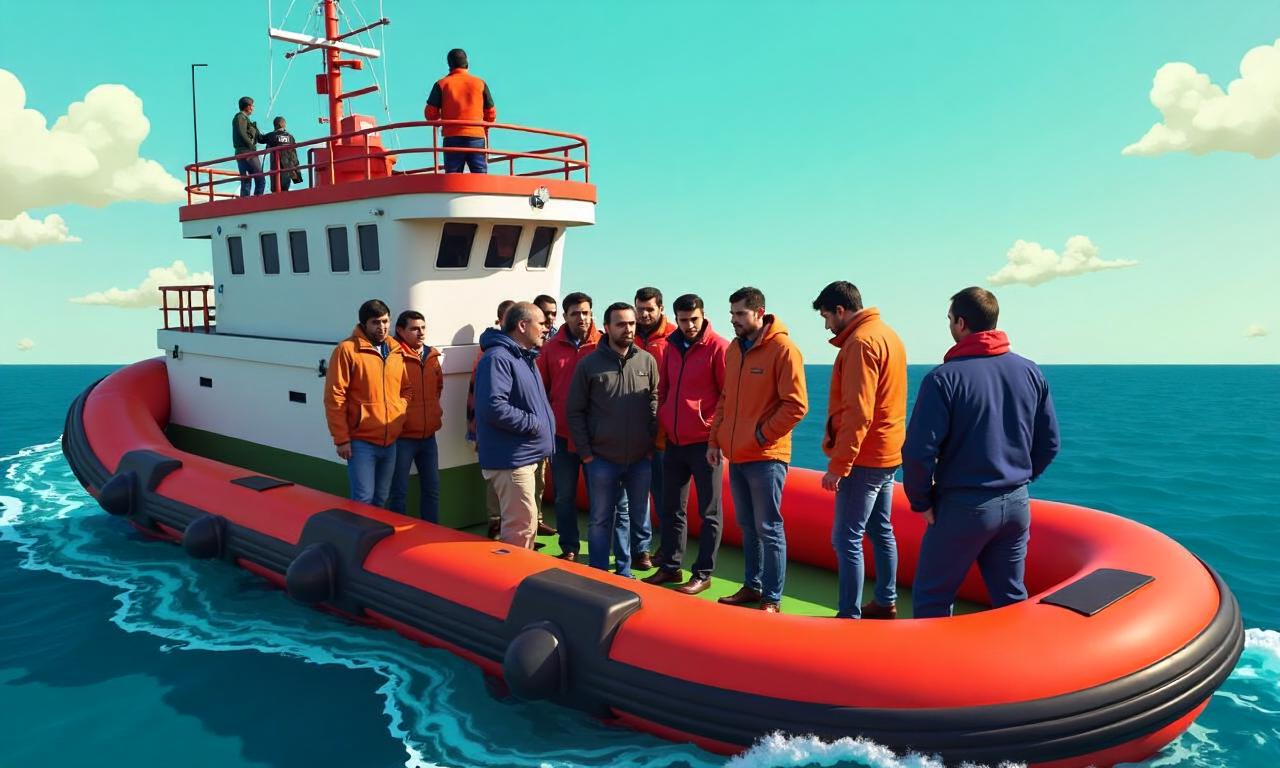
The perils of these journeys are starkly illustrated by the story of Shwana, a 24-year-old man from Ranya who perished during a recent crossing. According to a fellow traveler, Shwana arrived in northern France in November and joined a group of about 100 migrants aboard a boat designed to carry fewer than 20 people. The smugglers remained ashore as the vessel set out, but the boat quickly capsized during the voyage. Most passengers were rescued by coastguards, yet four individuals, including Shwana, disappeared into the sea. His body has never been recovered, a tragedy that underscores the risks involved in such routes.
Shwana’s fate was orchestrated via a WhatsApp group, which a passenger shared with the BBC. The mobile number linked to the group also appeared in one of Kardo Ranya’s social media advertisements, linking his brand to the actual operation. His family in Ranya, interviewed after the incident, expressed deep concern about the influence of these ads. They described how the promises of a better life in the UK have lured young people away from their homeland, where high unemployment and limited opportunities make migration an attractive option.
Statistics Behind the Crisis
Small-boat crossings have become the primary method for migrants entering the UK illegally since 2020, with nearly all arrivals claiming asylum. This trend reflects broader challenges in the region, as many individuals flee persecution or violence in their home countries. As of December 2025, there were 103,426 people in asylum accommodations, including hotels, houses of multiple occupation (HMOs), and former military sites. These figures highlight the scale of the crisis and the ongoing reliance on smugglers like Kardo Ranya to facilitate escape.
Over the past seven years, the majority of small-boat arrivals have been men and boys, accounting for nearly nine out of every 10 crossings. The demographic trend suggests that younger migrants are particularly vulnerable to the enticements of smuggling networks. For those who manage to reach the UK, the journey often involves a grueling path through the Middle East and Europe, riddled with dangers at every stage. While Kardo Ranya’s network claims to offer a safer route, the reality is far more perilous, with many losing their lives during the process.
The Smuggler’s Visibility
Despite his real name being a closely guarded secret, Kardo Ranya has not hesitated to reveal himself in public. His social media profiles serve as a platform to advertise his services, with images of luxury in London and testimonials from migrants who have already made the journey. These posts are designed to create a sense of security and aspiration, convincing potential clients that the risks are worth the reward. The former smuggler noted that Kardo Ranya’s network is particularly effective in this regard, leveraging the desperation of individuals seeking refuge.
While the investigation has brought Kardo Ranya into the spotlight, his influence continues to ripple through the smuggling world. The NCA’s recent focus on targeting Ranya-linked operatives has disrupted but not eliminated the network’s operations. The BBC’s work has not only identified Kardo Ranya but also exposed the interconnectedness of regional smuggling networks, revealing how local actors can amplify their reach across borders. This case exemplifies the challenges of modern human trafficking, where technology and anonymity enable criminals to operate on a global scale.
The unmasking of Kardo Ranya marks a significant step in the fight against cross-Channel smuggling, but it also highlights the persistence of the problem. With 103,426 asylum seekers in the UK’s system, the demand for such services remains high. The story of Shwana serves as a poignant reminder of the human cost behind these operations, illustrating how a single crossing can transform lives—or end them. As the BBC’s podcast delves deeper into the world of smugglers, it sheds light on the intricate web of people, money, and motives that drives this illicit trade.
In the end, Kardo Ranya’s success hinges on his ability to balance secrecy with visibility. While his real name remains hidden from authorities, his digital footprint is a testament to his influence. The BBC’s efforts to track him have not only uncovered his identity but also exposed the vulnerabilities within the system that allow such figures to thrive. For now, the Ranya Boys continue to operate, but the spotlight on their activities may shift the dynamics of the smuggling trade in the years to come.