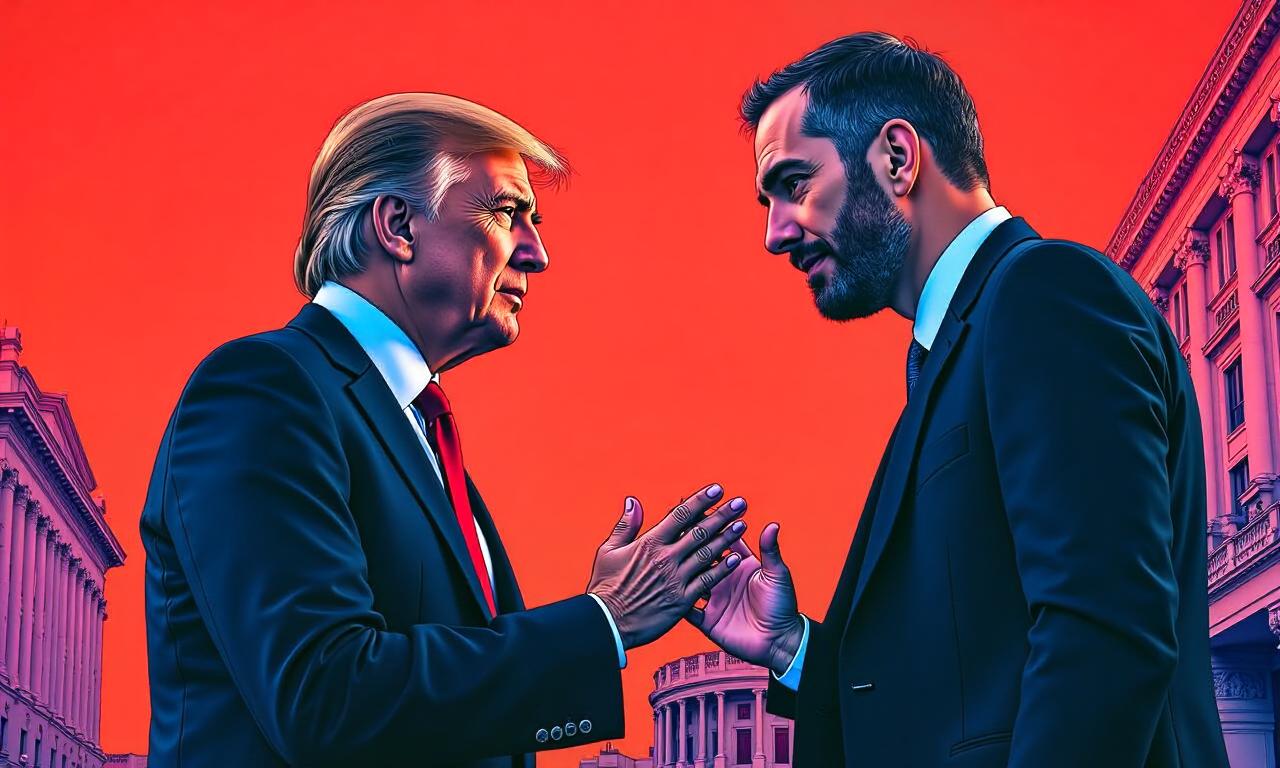
Colombia’s Presidential Election and Its Implications
Samael.lol – Colombia votes in presidential election as voters prepare to select a new leader, marking a crucial moment in the nation’s political trajectory. The election, set for Sunday, could significantly influence the country’s relationship with the United States, a key ally in its long-standing battle against drug trafficking. President Gustavo Petro, a left-wing leader, has stepped down from re-election, endorsing Iván Cepeda, a former senator, to continue his progressive agenda. Meanwhile, two centre-right candidates—Abelardo de la Espriella and Paloma Valencia—compete for the presidency, potentially shifting Colombia’s approach to security and international cooperation.
Key Candidates and Their Policies
The race for Colombia’s presidency has drawn attention due to its potential to reshape diplomatic priorities. Cepeda, Petro’s chosen successor, advocates for sustaining the “total peace” initiative, aiming to reduce violence through negotiated settlements with armed groups. De la Espriella, a former military official, emphasizes reinforcing ties with the U.S., particularly in combating drug smuggling. Valencia, meanwhile, promotes a balanced strategy combining diplomacy and military action. With no candidate expected to win outright, a run-off is scheduled for 21 June, intensifying the competition and public debate over Colombia’s future direction.
Colombia votes in presidential election amid growing concerns about security and U.S. alignment. Recent attacks on political figures, including the assassination of a candidate last summer, highlight the risks of the campaign. De la Espriella, for example, has addressed supporters behind bulletproof glass, underscoring the volatile environment. His focus on strengthening security partnerships with the U.S. contrasts with Cepeda’s pledge to avoid becoming a “vassal state,” reflecting the broader ideological divide in the race.
Historical Ties and Current Tensions
The U.S.-Colombia relationship has been deeply rooted in the fight against narcotics, with American support critical to Colombia’s security and economic stability. However, recent disputes between Petro and former President Donald Trump have strained this alliance. Trump criticized Petro’s drug control efforts, claiming they had not adequately curbed cocaine smuggling into the U.S. Despite these tensions, cooperation on anti-drug initiatives remains a priority, as both nations seek to address shared challenges.
“Colombia votes in presidential election, and the outcome will determine whether the U.S. will intervene militarily or support peaceful solutions,” Trump stated during a speech, underscoring the stakes for American interests.
Petro has defended his administration’s record, citing major drug seizures and efforts to modernize the peace process. Yet, the UN’s 2025 World Drug Report noted a surge in cocaine production since his term began, raising questions about the effectiveness of his policies. The election is thus not only a domestic affair but also a test of Colombia’s commitment to its peace agreements and its ability to navigate the complexities of U.S. foreign policy.
Regional and Global Ramifications
The results of Colombia’s presidential election may ripple across Latin America, influencing regional dynamics and international alliances. A shift toward a more U.S.-aligned administration could strengthen military cooperation, while a left-leaning victory might reinforce Colombia’s focus on diplomacy and human rights. This decision will also impact Colombia’s role in global anti-drug coalitions, as the country seeks to balance its own priorities with international pressure. Analysts warn that the election’s outcome will have lasting consequences for both national and transnational security strategies.
Colombia votes in presidential election as the nation grapples with the legacy of its peace process and the challenges of drug violence. With the International Committee of the Red Cross reporting record civilian casualties in 2024, the campaign has intensified focus on how the next leader will address security and conflict. The race is expected to determine whether Colombia continues its path of negotiation or adopts a more forceful approach, directly affecting its partnership with the U.S. and the broader Latin American region.