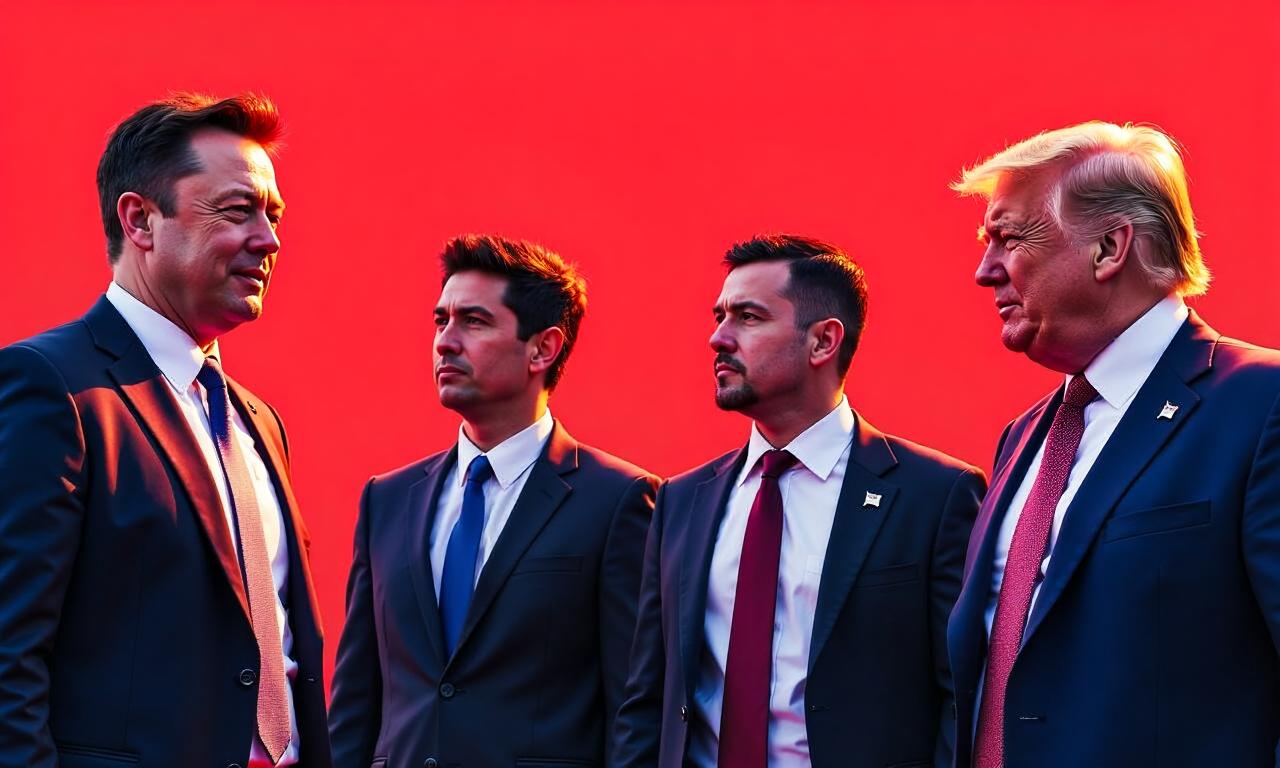
Elon Musk and Tim Cook among CEOs expected to accompany Trump on China trip
Samael.lol – US President Donald Trump is set to travel to China this week, accompanied by a diverse group of corporate and tech industry leaders. The delegation includes high-profile executives from major companies such as Apple, Tesla, BlackRock, Meta, Visa, and others. The presence of these figures underscores the strategic importance of the visit, which aims to address key economic and technological issues between the United States and China.
The Delegation’s Composition
The list of executives joining Trump in Beijing includes Tim Cook of Apple, Elon Musk of Tesla and SpaceX, and Larry Fink of BlackRock. Additional members of the official delegation come from companies like JP Morgan, Boeing, and Cargill, with a total of 17 leaders representing a broad spectrum of US business sectors. However, some names are notably absent, such as Jensen Huang, the founder and CEO of Nvidia. His company’s role in the US-China rivalry over semiconductors and artificial intelligence makes his exclusion from the trip a point of interest.
Context of the Visit
Trump’s meeting with Chinese President Xi Jinping is considered a pivotal moment in the ongoing trade relationship between the two nations. The visit occurs amid rising economic and technological tensions, with both sides seeking to assert influence in areas like technology standards, export controls, and industrial competitiveness. The negotiations are expected to cover issues ranging from tariffs to investment agreements, reflecting the complex interplay of interests shaping the bilateral dynamic.
Despite the rivalry, semiconductors remain a critical component of the US-China economic relationship. The sector has been at the heart of disputes over intellectual property and manufacturing capabilities, with both countries vying for dominance. The delegation’s inclusion of experts from chip manufacturing and AI innovation highlights the focus on these high-stakes areas. However, the absence of Jensen Huang from the list raises questions about Nvidia’s role in the current negotiations.
Notable Absences and Intriguing Inclusions
While some executives are missing, others have drawn attention for their unique positions. Sanjay Mehrotra, CEO of Micron Technology, is part of the delegation. His inclusion is significant given Beijing’s restrictions on Micron chips in critical infrastructure in 2023, which the company claimed harmed its operations in the region. Mehrotra’s presence may signal a desire to reframe Micron’s narrative and rebuild ties with Chinese partners.
Meanwhile, the omission of Jensen Huang from the list has sparked speculation. Huang, whose company is pivotal in the global race for advanced computer chips, expressed eagerness to join the trip if invited. Last week, he told CNBC that representing the US in China would be a “privilege,” indicating his commitment to the dialogue despite the absence from the current delegation.
Trade Dynamics and Industry Representation
The executive delegation spans multiple industries, from consumer technology to commercial manufacturing. This diversity reflects the broad economic interests at stake during the visit. Companies like Illumina, a biotechnology firm based in California, have also been included, with a spokeswoman stating that the trip is an opportunity to “strengthen relationships and shape the future of precision medicine.” The firm’s participation highlights the intersection of technology and healthcare in global trade discussions.
Other companies, including Cisco, had been invited to the trip. Chuck Robbins, the chief executive and chairman of Cisco, was unable to attend due to earnings obligations, as stated by a company spokesperson. This absence underscores the logistical challenges of assembling a large delegation amid tight schedules and market priorities. The final list of attendees, however, remains a testament to the importance of US corporate interests in the negotiation process.
Global Implications of the Iran Conflict
Trump’s China trip is also influenced by external factors, particularly the ongoing war between the US and Israel in Iran. This conflict has already caused delays in the planned meeting with Xi Jinping, as tensions in the region disrupt global supply chains. The war’s impact on oil markets is a key concern for both the US and China, with the latter supplying a significant portion of the world’s oil to countries like the US.
China’s role in the Iran war is further complicated by its reliance on Iranian oil for affordable energy imports. The country’s decision to limit oil exports to Tehran has raised prices for other nations, including the US, which imports a substantial amount of Chinese goods. However, China’s vast oil reserves and diversified energy sources have allowed it to weather the economic fallout better than many of its neighbors. This resilience positions the nation to leverage its energy influence during Trump’s visit, potentially reshaping the dynamics of the negotiations.
Strategic Objectives and Outcomes
The trip is viewed as a test for the fragile trade truce between the US and China, which has been sustained through a series of tariff agreements. Trump’s last meeting with Xi Jinping in South Korea led to the temporary suspension of tariffs that had previously exceeded 100% in certain sectors. Now, the president is expected to push for renewed cooperation, particularly in areas where China’s economic leverage is evident.
As the meeting unfolds, the focus will likely shift to the broader geopolitical landscape. Trump’s efforts to involve China in resolving the Iran conflict could open new avenues for economic collaboration. By addressing the war’s impact on global oil markets, the leaders may find common ground in trade, despite their historical differences. The outcome of these discussions will be crucial in determining the future of US-China relations, especially in light of the current challenges.
Representatives from other companies, such as Illumina and Cargill, have not yet provided detailed comments on the trip’s objectives. Nonetheless, the inclusion of these leaders suggests a coordinated approach to influencing trade policy and fostering economic ties. The success of the visit may depend on the ability of the delegation to balance competing priorities and present unified positions on critical issues.
Ultimately, Trump’s China trip represents a multifaceted effort to stabilize trade relations and address emerging challenges. The presence of key executives from technology, manufacturing, and biotechnology industries highlights the depth of the US-China economic interdependence. As the meeting progresses, the outcomes could have far-reaching implications for both nations, shaping the trajectory of their trade and technological rivalry in the years to come.