Estonia Claims NATO Jet Shot Down Drone Over Its Territory
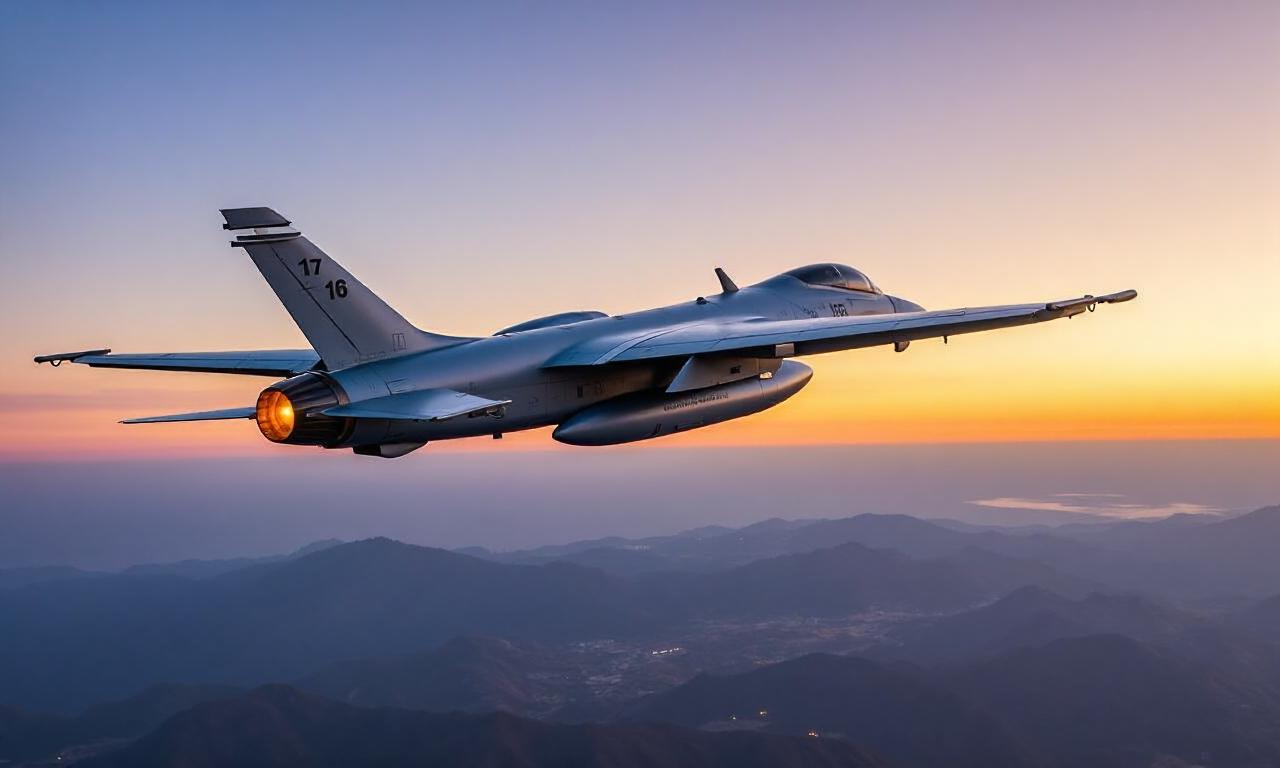
Samael.lol – Estonia reported that a NATO fighter jet intercepted and destroyed a drone within its borders. The country believes the unmanned aircraft was a Ukrainian projectile that had been misdirected due to Russian electronic interference. The incident occurred on Tuesday, when a Romanian F-16 missile struck the drone, causing debris to land in a marshy region of central Estonia. Despite the event, there were no reports of damage to infrastructure or property.
Ukraine Accuses Russia of Deliberately Redirecting Drones
In response to the incident, Ukraine condemned Russia for allegedly manipulating the flight paths of its drones. The nation claimed the aircraft had been launched at “legitimate military targets” in Russia but had veered off course due to Moscow’s electronic jamming tactics. Ukraine expressed regret, apologizing to Estonia and its fellow Baltic states for the “unintended incidents” that resulted from such disruptions.
Russia has yet to respond to the latest event, which is part of a recurring pattern of drone incursions over NATO member states Estonia, Latvia, and Lithuania. This incident follows several previous reports of Ukrainian drones entering Russian airspace, sparking tensions and concerns about the alliance’s security. Last week, Latvia’s political landscape shifted dramatically after its Prime Minister, Evika Silina, stepped down amid a crisis over Ukrainian drones that had crossed into the country.
Recent Drone Strikes and Electronic Warfare Allegations
Earlier this month, two Ukrainian drones hit an empty oil storage facility in Latvia, an event the Ukrainian government attributed to Russian electronic jamming. Similar incidents were also reported in Estonia and Latvia in March, further fueling speculation about Moscow’s interference. Ukraine has maintained that its drones are being used to strike targets within Russia, but the Baltic states have questioned the accuracy of these claims.
According to Estonia’s Defence Minister, Hanno Pevkur, the drone was identified as a potential threat before it entered Estonian airspace. He explained that the Estonian military tracked the unmanned aircraft, which had strayed off course, until Romanian fighter jets participating in the Baltic air policing mission intercepted it. Pevkur emphasized that Estonia had not allowed its airspace to be used by Ukraine without prior agreement, and the Ukrainian side had not sought permission for this operation.
The incident unfolded shortly after 12:00 local time (09:00 GMT) between the Võrtsjärv lake and the town of Põltsamaa. The Estonian Defence Ministry provided a statement detailing the sequence of events, highlighting the early warning from Latvia about the drone’s deviation. Local media later shared photographs of what they claimed were remnants of the drone, located in a forest approximately 30 meters from the nearest residential building. A nearby resident described the moment:
“There was a loud bang and I saw the drone fall from the sky.”
Diplomatic Reactions and Accusations
Ukraine’s Foreign Ministry spokesman, Heorhii Tykhyi, stated that Russia had been “deliberately redirecting Ukrainian drones into the Baltics” as part of a broader strategy. He accused Moscow of using electronic warfare to interfere with drone operations, which he claimed was “on purpose, together with intensified propaganda.” Tykhyi reiterated Ukraine’s apology to Estonia and the other Baltic nations, noting that the drones were flying through Russian airspace to reach their intended targets.
Just hours after Tykhyi’s remarks, Russia’s Foreign Intelligence Agency, SVR, released a report asserting that Ukraine was planning to launch its drones from the territories of Estonia, Latvia, and Lithuania. The agency claimed Ukrainian military personnel had already been deployed at bases in Latvia. However, Latvia’s government dismissed the accusation as “disinformation,” with its foreign ministry stating that Riga had not given its consent for its airspace or land to be used in attacks against Russian targets.
Baltic States’ Concerns and NATO’s Response
The three Baltic states—Estonia, Latvia, and Lithuania—have increasingly voiced apprehension about Moscow’s intentions. They fear that Russia is orchestrating major provocations to test NATO’s commitment and readiness. This anxiety has intensified in recent months as Ukraine has escalated its use of drones and missiles against Russian facilities, particularly near the Baltic region. The attack on the oil site in Latvia last month is seen as a clear example of this trend.
Despite the recent developments, the Baltic states continue to assert their sovereignty. Estonia’s Pevkur noted that the Ukrainian government had “immediately” discussed the incident with his counterpart, who apologized for the misadventure. This exchange underscores the ongoing diplomatic efforts to manage the situation, even as accusations fly between the nations. The Estonian defence minister added that Estonia had always maintained strict control over its airspace, allowing it only to NATO allies.
Historical Context and Strategic Implications
Since Russia’s full-scale invasion of Ukraine in 2022, the conflict has spilled over into neighboring territories. The Baltic states, situated on the alliance’s easternmost edge, have become critical targets for Moscow’s accusations. The recent drone incursions are part of a larger narrative of Russian claims that Ukraine is using their airspace as a conduit for attacks on Russian soil. This has led to heightened scrutiny of the region’s security protocols.
The escalation of drone warfare has prompted NATO to adjust its defense strategies. Last year, more than a dozen drones entering Poland’s airspace prompted several alliance members to move troops and fighter jets eastward, a move that reflected the growing threat. The current situation in Estonia and Latvia has raised similar alarms, with officials warning that Moscow may be testing the alliance’s response. The Baltic states remain vigilant, emphasizing their role as steadfast partners in NATO’s collective security framework.
While Ukraine insists its drones are directed at Russian targets, the Baltic nations have questioned the effectiveness of these missions. The combination of electronic warfare and geopolitical maneuvering has created a complex web of accusations and counter-accusations. As the conflict evolves, the airspace of NATO members will likely remain a focal point in the ongoing struggle between the two sides. The incident in Estonia serves as a reminder of the fragility of this situation, with every drone strike and missile launch carrying significant political and strategic weight.