Eurovision boss: ‘We’re watching the voting very carefully’
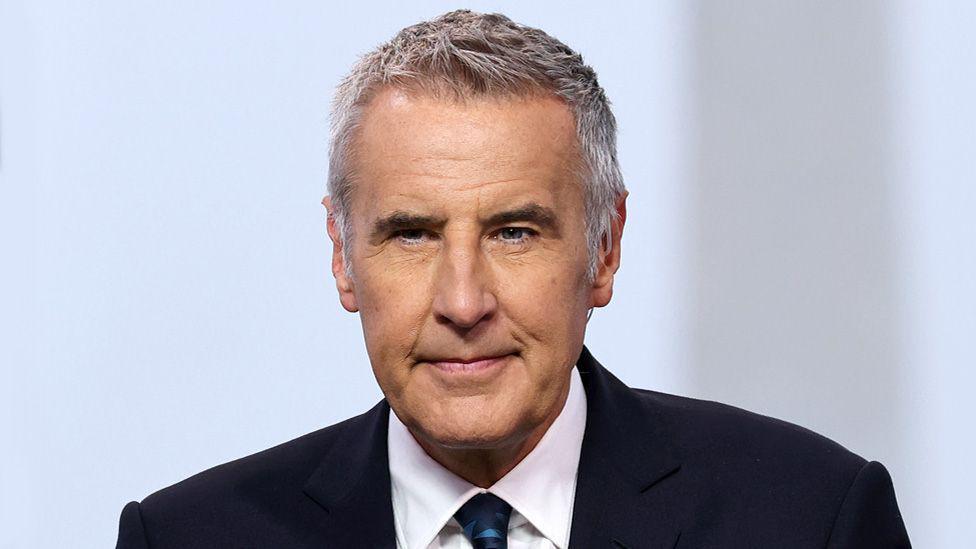
Samael.lol – The Eurovision Song Contest’s director, Martin Green, has emphasized that the organizing team is closely monitoring voting behavior following claims that Israel exerted undue influence on the results of last year’s competition. The controversy arose after allegations surfaced that Israeli government accounts on social media platforms were used to encourage supporters to cast multiple votes, potentially altering the outcome in favor of the country’s entry. Green acknowledged the concerns, stating that “some of the promotion by some of the broadcasters was a little disproportionate,” and confirmed that the contest’s procedures have been adjusted to address such issues this year.
Allegations of Disproportionate Promotion
During the 2023 Eurovision event, social media activity on Israeli government accounts was scrutinized for its role in boosting votes. Reports suggested that online advertisements, possibly funded by an Israeli government advertising agency, instructed social media users on how to vote up to the maximum 20 times for their country. This raised questions about the fairness of the public voting process, which traditionally allows voters to cast their ballots for their preferred act. While the European Broadcasting Union (EBU) has not confirmed any direct manipulation, it has expressed concerns about the spirit of the competition being compromised by such campaigns.
“We’re a long way from any of that,” Green told the BBC’s Nomia Iqbal. “If there is a problem, we start a conversation and we try and resolve it amicably, without reaching for sanctions.”
The EBU issued a formal warning to Kan, Israel’s national broadcaster, after its contestant released videos encouraging fans to “vote 10 times for Israel” last weekend. Eurovision officials stated that they believed these posts were not in line with the competition’s ethos, prompting them to request their removal. The move comes amid growing scrutiny of how public votes are managed, particularly in the context of geopolitical tensions and the role of third-party promotions in shaping results.
Revised Voting Procedures
In response to the controversy, the EBU has implemented new rules to ensure transparency and fairness in voting. One key change involves reducing the maximum number of votes a country can receive from the public from 20 to 10, aiming to curb the impact of excessive campaigning. Additionally, the organization now requires online voters to provide credit card details, a measure designed to verify that each vote is genuinely cast from within the country it represents. These adjustments were approved in November 2023 and are set to take effect during this year’s contest.
Green also highlighted the return of jury votes to the semi-final stages, a change that addresses past issues with the national jury system. In 2022, it was discovered that six juries had engaged in vote trading, leading to the temporary removal of jury scores from the semi-finals. By reintroducing jury voting, the EBU aims to balance the influence of public opinion with the expertise of professional judges. This step is part of a broader effort to strengthen the contest’s integrity and prevent any potential bias in the voting process.
Context of the Allegations
Questions about the fairness of last year’s voting were amplified by the fact that Israel topped the public vote despite receiving only 60 points from national juries. This discrepancy led to speculation about the role of external factors in influencing the outcome. Israel earned 83% of its total score from the public, while the eventual winner, Austria, received just 41% of its points from the same source. The EBU, while not finding conclusive evidence of irregularities, acknowledged that the promotional efforts of Israeli broadcasters had raised valid concerns about the democratic nature of the contest.
Green stressed that the EBU remains committed to resolving disputes through dialogue rather than imposing penalties immediately. “We hope, in a way, that you teach the world that you can solve [conflict] by being collegiate right now,” he said, underscoring the organization’s desire to maintain a collaborative spirit even in the face of criticism. The new rules, however, are designed to act as a deterrent against future disproportionate campaigns, ensuring that the voting process remains as transparent and equitable as possible.
Protests and Political Tensions
The Eurovision contest has faced ongoing protests due to its association with Israel’s participation, particularly among fans and participants who object to the country’s military actions in Gaza and the broader Middle East conflict. These tensions have influenced public perception of the competition, with some critics arguing that the event has become a platform for political agendas. Despite these challenges, Green expressed confidence in the current system’s ability to withstand scrutiny. “We are very consistent,” he stated. “We have one of the best voting systems for the public in the world. It is fair, it is true, it’s secure.”
Green’s tenure as director began in 2024, following his previous roles as head of ceremonies for the 2012 London Olympics and chief creative officer for the 2022 Commonwealth Games in Birmingham. His leadership has coincided with increased political and social pressure on the contest, including a boycott threat from five broadcasters in November 2023. Spain, the Netherlands, and Ireland, among others, had announced their intention to withdraw from the 2026 event, citing strong opposition to Israel’s actions. Green, however, remains hopeful that these broadcasters will return to the fold after the current contest concludes.
Looking Ahead
As the Eurovision Song Contest progresses, the focus remains on ensuring that the voting process is free from undue influence. The semi-finals in Vienna, Austria, have already seen Israel qualify for the grand final, a testament to the country’s continued presence in the event. However, the decision to withhold voting figures for the semi-finals until after the main contest is a strategic move to prevent premature speculation or pressure on the voting system. Green explained that this approach allows for a more secure and unbiased evaluation of the results.
The EBU’s decision to halve the maximum vote count and enforce stricter verification measures reflects its proactive stance in addressing concerns. While the organization has not ruled out the possibility of disqualifying an act for further breaches, it has emphasized a preference for resolving issues through discussion and compromise. “People can try and do what they like,” Green said. “They’re not going to [influence] anything.”
With these changes in place, the Eurovision Song Contest aims to uphold its reputation as a global celebration of music and culture, even as it navigates the complexities of political influence. The upcoming events in Vienna will serve as a test of these new procedures, offering a glimpse into how the contest plans to balance the interests of all participating nations while maintaining the integrity of its voting system.