Samael.lol – “`html
Processing the Pain: How to Handle England’s World Cup Exit
When your national team falls short at the tournament, the emotional impact can linger for quite some time. England supporters are currently navigating through disappointment after their semi-final clash against Argentina ended in a heartbreaking 2-1 loss. Despite Harry Kane and his squad taking an early advantage during the second period in Atlanta, they ultimately couldn’t maintain their momentum. For those experiencing this setback, understanding how to manage these feelings is essential.
Understanding Why Football Losses Hurt More
According to Dr Martha Newson, a behavioural scientist at the University of Greenwich, football defeats tend to sting more than losses in other sporting events. She notes that while people rarely shed tears over Wimbledon results, the connection to football runs deeper. “Football is different… we talk about the national team like it’s us out there,” she explains.
For supporter Oli Portlock, an England loss feels like a “national funeral… a big grey cloud over the nation when England’s been knocked out”.
Oli, aged 27, experienced this firsthand during England’s Euro 2020 final defeat against Italy at Wembley Stadium. He recalls that period as “absolute heartbreak” and admits it “certainly ruined the next week in work for me.” This demonstrates how deeply football results can affect daily life and emotional wellbeing.
Giving Yourself Time to Heal
Dr David Crepaz-Keay from the Mental Health Foundation emphasizes that recognizing your feelings represents an important first step. Rather than worrying excessively, he reassures fans that this emotional dip “typically fades within a couple of hours.” If you find yourself dwelling on the defeat, simply ride it out and remind yourself that this reaction is completely normal.
One effective strategy involves focusing on positive memories created throughout the tournament. Oli followed England’s journey from his hometown of Preston all the way to the United States, collecting numerous moments worth celebrating. Disappointed supporters might rewatch Harry Kane’s remarkable comeback against DR Congo, or Jude Bellingham’s incredible double in just 98 seconds against Mexico that secured their quarter-final position.
For me, it’s probably trying to reflect on all the great memories I’ve created throughout the tournament.
These memories could include staying up an extra hour following severe storms that pushed a kick-off to 02:00 BST, or squeezing into crowded pubs during a record-breaking heatwave to watch earlier matches.
Sharing Your Feelings Helps
The initial hours following a defeat often feel the most challenging, according to Dr Crepaz-Keay. However, he warns that “taking your disappointment out on someone else is not the way to go.” Both experts recommend sharing your emotions with others as one of the most effective coping mechanisms.
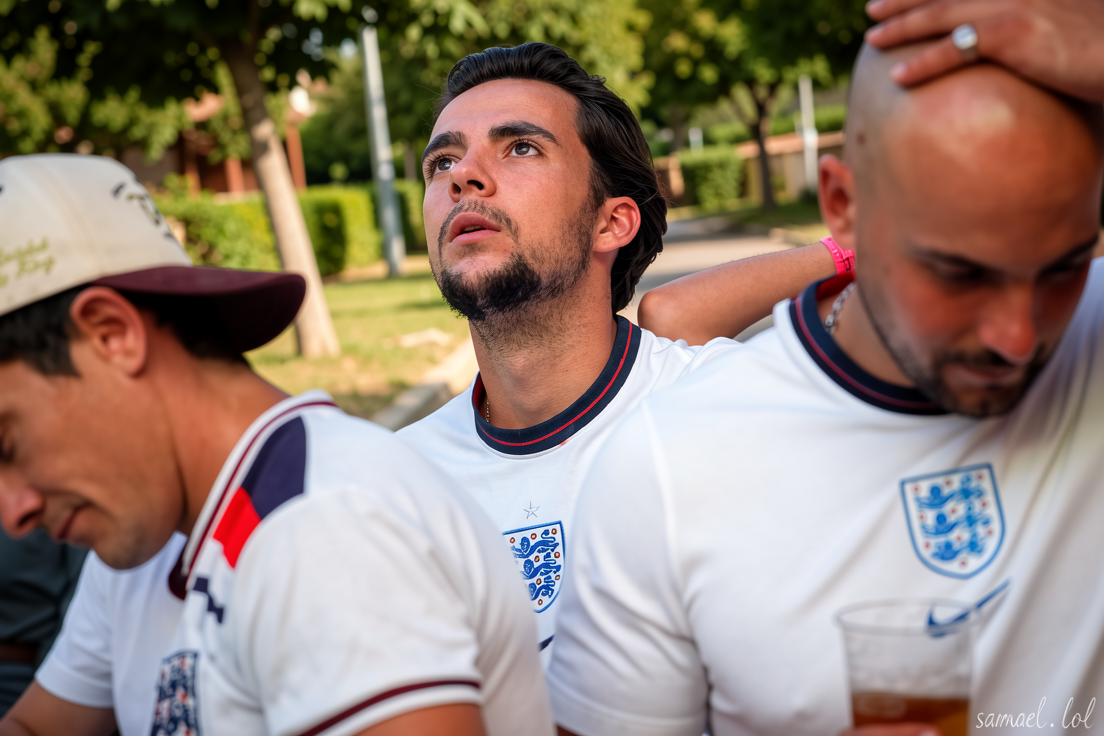
“Talk about it, rant about it,” suggests Dr Crepaz-Keay, emphasizing that discussing your feelings with the right people helps you process them quickly. Oli agrees, noting that “talking with mates down the pub” helps you realize you’re “on the same page” with fellow supporters experiencing similar pain.
It does evoke disappointment, but it helps to get it out of your system.
Physical and Mental Recovery
If you notice yourself reaching for snacks after a loss, don’t blame your willpower. Dr Newson explains that “we do find that fans consume more calories after a loss,” likely due to an unconscious evolutionary response designed to protect us following setbacks.
Getting outdoors and engaging in physical activity proves beneficial, even if that simply means walking home from a match while singing to release energy. Andy Taylor, 38, who traveled to both New York and Boston to support England, finds that returning to routine provides comfort. Activities like walking his dog, going for runs, and reflecting on positive aspects help elevate his mood.
Football heartache takes days, even weeks to get over, but football isn’t life or death.
Andy’s first major tournament was Euro 1996, when Germany eliminated England in a tense semi-final. Though that result was “devastating,” he always had another tournament to look forward to. As he concludes: “England football will always be there,” offering endless opportunities for both joy and heartbreak in equal measure.
“`