Former Imam Sentenced to Life for Sexual Assaults
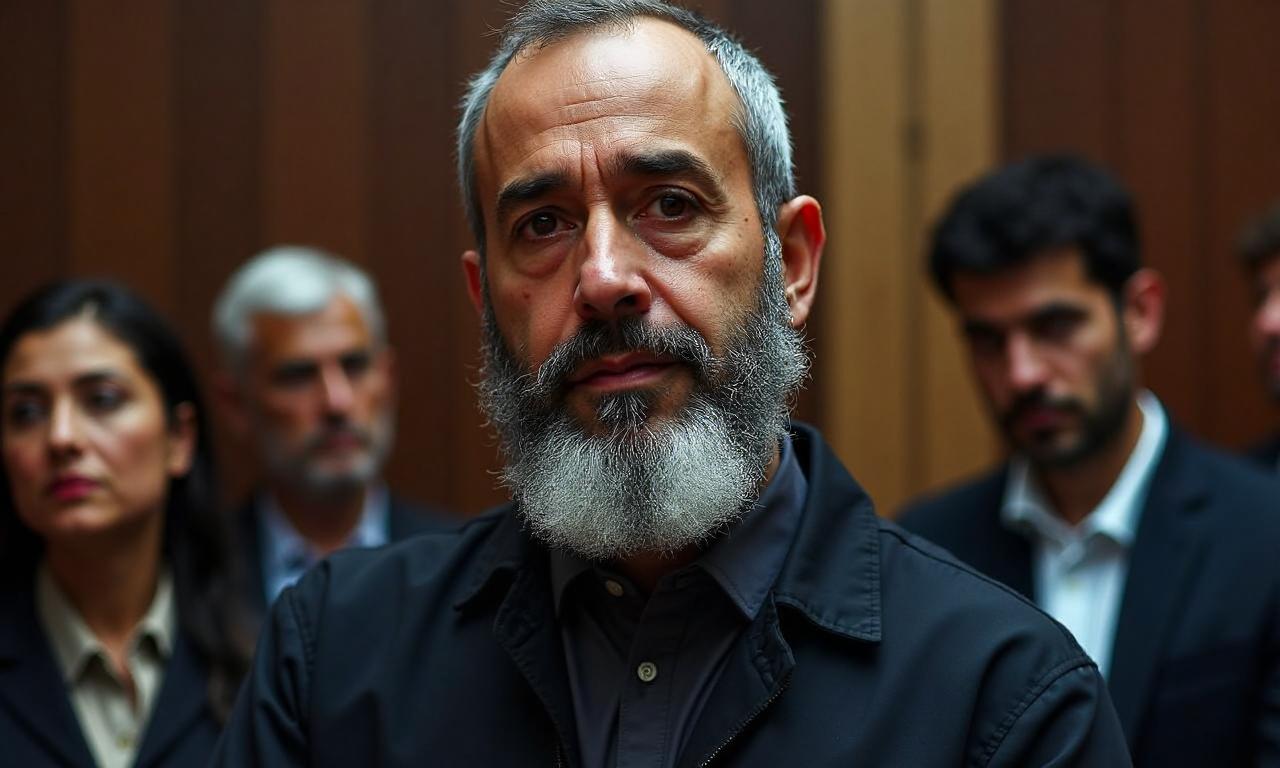
Samael.lol – A former imam from east London, described as a master of deception and exploitation, has received a life sentence with a minimum term of 20 years after being convicted of multiple sexual offenses against seven women and girls as young as 12. The 54-year-old, Abdul Halim Khan, was found guilty of 21 charges, including rape, sexual assault, and child sexual abuse, in February at Snaresbrook Crown Court. The verdict came after a trial that exposed how Khan leveraged his religious status to groom victims and commit crimes in secluded settings, such as private flats and hidden locations within the community.
Abuse of Authority and Religious Trust
Khan’s sentence was handed down by Judge Leslie Cuthbert, who highlighted his systematic abuse of power. The former imam, who held a respected position in the Muslim community, was accused of manipulating his followers and distorting their faith to justify his actions. “You had a position of significant influence and used it to fulfill your personal desires,” the judge stated during sentencing. “Your behavior was not just reckless but calculated, exploiting the trust placed in you to silence and harm others.”
“Khan’s deliberate distortion of the Muslim faith created a sense of guilt and fear among his victims, making them believe their actions were wrong and their families would suffer if they spoke out,” said Judge Cuthbert.
The court was told that Khan targeted women and girls from the Bangladeshi Muslim community, leveraging his role as a religious figure to build credibility. His victims, who were often isolated and dependent on him, were convinced that his spiritual authority made him untouchable. One woman, who described herself as a child during the abuse, broke down in court, saying, “To me, Khan is not a human being—he is evil personified.” She recounted how the imam used lies and manipulation to mask his actions, making victims feel as though they were being cleansed of “jinns” or evil spirits by him.
Psychological Tactics and Coercion
Prosecutors revealed that Khan employed psychological tactics to control his victims. Lead counsel Sarah Morris KC explained that he told some of his victims they had been possessed and that only he could cure them, using this claim to justify his sexual advances. He also threatened to use “black magic” to harm them or their families if they exposed his behavior. One victim was convinced she had ovarian cancer that only Khan could treat, leading her to follow him to a remote location where he raped her.
“Khan weaponized their faith, making them believe that their families would face supernatural consequences if they dared to speak out,” Morris said. “He instilled fear through manipulation, turning their trust into a tool for exploitation.”
The trial heard from several victims who described the profound impact of Khan’s actions. Many spoke of feeling trapped and ashamed, with one young survivor stating that the abuse led her to attempt suicide. Others recounted how the imam’s reputation as a “religious, pious, and trustworthy man” made it difficult for them to seek help or report the crimes. “He made us feel like we were to blame, as though the abuse was a punishment for our sins,” said one witness, reflecting the psychological toll of his behavior.
Community Support and Judicial Reflection
Despite the severity of his crimes, Khan received letters of support from members of his family and some community leaders before sentencing. These letters were reportedly written to highlight his charitable work and his role as a spiritual guide. However, the judge emphasized that these gestures did not absolve Khan of his wrongdoing. “The community may have believed in his goodness, but his actions revealed a dark truth,” Cuthbert noted.
“Abdul Khan presented himself as a respectable man who could be trusted,” said Det Ch Insp Jennie Ronan, who led the investigation. “Yet, behind that facade was a predator who preyed on the vulnerable, using his position to control and silence them.”
The Crown Prosecution Service (CPS) praised the victims’ courage, stating that they demonstrated extraordinary strength by coming forward and enduring the trial process. Melissa Garner, a specialist prosecutor, called Khan’s behavior “a calculated use of faith to instill fear and dominate those he targeted.” She added, “The harm he caused is not just physical—it is emotional, lasting a lifetime.”
Public Response and Broader Implications
The case has sparked widespread discussion about the role of religious leaders in safeguarding their communities. An NSPCC spokesperson described the abuse as deeply disturbing, stating that Khan’s exploitation of his position as a trusted figure highlights the dangers of unchecked authority. “When someone in a position of trust uses fear and manipulation to control others, it creates a cycle of silence and suffering,” the spokesperson said.
“It is deeply disturbing that Khan abused his position as a trusted faith leader to commit sexual offenses against girls and women, using fear and manipulation to control and silence those he targeted,” the NSPCC representative added.
Khan’s sentencing underscores the importance of accountability in religious institutions. The conviction serves as a reminder that even figures revered for their spiritual guidance can perpetrate harm when they exploit their influence. As the trial concluded, the court focused on the bravery of the victim-survivors, acknowledging their role in bringing Khan’s crimes to light. “Their courage has been instrumental in exposing this abuse,” said Ronan, urging the community to remain vigilant against similar cases in the future.
The case also prompts reflection on how religious beliefs can be manipulated to justify misconduct. Khan’s ability to blend spiritual teachings with personal gain demonstrates the power of rhetoric in shaping perception. His conviction, however, marks a significant step toward justice, with the hope that it will inspire others to speak out against abuse within their communities.
Listen to the best of BBC Radio London on Sounds and follow BBC London on Facebook, X, and Instagram. Send your story ideas to hello.bbclondon@bbc.co.uk for potential coverage.