How my brother went from liberal Hollywood actor to manosphere ‘messiah’
A Shift in Identity
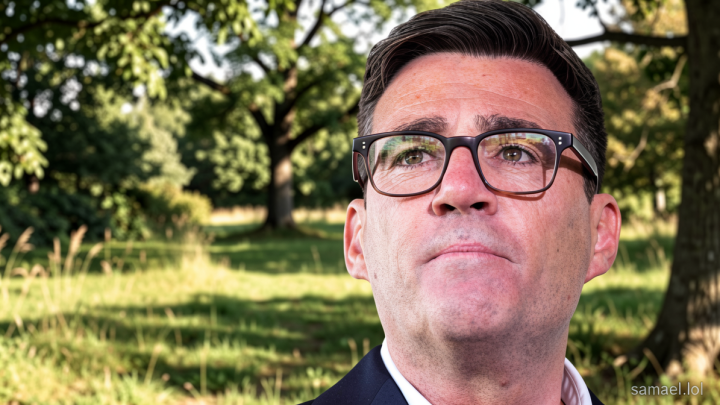
Samael.lol – Ten years ago, Luis Castilleja was a free-spirited artist, chasing opportunities in Hollywood and reveling in the progressive culture of Los Angeles. Today, he is known by a different moniker—El Temach—and has become a prominent figure in the manosphere, a movement that emphasizes traditional masculine ideals. His sister, Alex, describes his transformation as astonishing, noting their current lack of communication. “I don’t like saying El Temach because for me, he’s a completely different person,” she explains. “So I’m sister with the human that he was.”
The Rise of a New Persona
Alex, a design engineer from Mexico, highlights how her brother’s evolution reflects the broader appeal of manosphere content. She asserts that even those who seem unlikely can be drawn into this space when they recognize the potential for financial gain and recognition. The BBC World Service investigation has uncovered the growing influence of such figures, particularly in regions where gender equality has recently advanced. The study focused on 15 influencers across South and East Asia, Latin America, and Africa, revealing that their followings have increased threefold in three years.
Among these figures is Andrew Kibe, a well-known voice in Kenya who champions male empowerment and criticizes women on social media. Both El Temach and Kibe have frequently targeted single mothers, labeling them as “gold diggers” who exploit men. The research found that these influencers generate substantial income from their platforms, with El Temach’s content drawing over 11 million followers. Despite his growing fame, El Temach and Kibe both reject the label of misogyny, with Kibe even disputing the concept’s existence during a BBC interview.
Consumer Impact and Algorithmic Influence
To explore the effect of manosphere content, the BBC gained access to the social media activity of two Gen Z followers. One is based in Kenya, the other in Mexico, and their data provides a window into the journey of young men drawn into this movement. Mexican follower Julián, for instance, began using Instagram at 16, engaging with posts about cars, fitness, and self-improvement. His interest in the manosphere began a few months later, after a video by El Temach appeared in his recommended content.
Now 19, Julián has liked more than 3,000 videos from various manosphere creators. He told the BBC that he felt “feminism has made men’s problems invisible,” a sentiment that aligns with El Temach’s messaging. The data also shows that Julián’s interactions with this content have shaped his views, leading him to adopt the notion that women manipulate men for personal gain. “He got this Messiah complex, like he’s the one that has to fix [men’s issues],” Alex says, describing how her brother’s content evolved from helping men to blaming women.
A Brother’s Struggle
According to Alex, her brother’s initial intentions were noble. He had aspirations as a performer, studying theatre in Mexico City before moving to Los Angeles. However, after a breakup and struggles to secure steady work, he turned to the manosphere. “He wanted to help other men feel worthy and valuable,” she recalls. But this mission quickly shifted, becoming more about asserting dominance over women than supporting male growth.
El Temach’s content now mirrors his behavior toward Alex. She claims that any expression of feminist ideas she shared was interpreted as an attack on his values. “Anything I would express… was taken like a feminist belief… an affront to his persona,” she says. While she isn’t certain how deeply her brother believes in his misogynistic views, she suggests that much of it is driven by the algorithm’s favor. “He believes some things—and others, he’s just experimenting what works best with the algorithm,” she adds.
Global Influence and Regional Trends
The BBC’s investigation also tracked the rise of manosphere influencers like Kibe, who have gained traction in countries where gender equality is still emerging. These figures capitalize on societal shifts, presenting themselves as solutions to modern challenges. For example, El Temach’s platform offers a narrative that positions men as victims of a feminist-driven system, while Kibe focuses on Kenyan audiences, framing masculinity as a path to success in a rapidly changing society.
The data from Julián and his Kenyan counterpart shows a clear pattern. Both began engaging with manosphere content in their teens, gradually moving away from more balanced perspectives. Their interactions highlight how social media algorithms can shape beliefs, pushing users toward extreme views. The study found that followers often transition from casual interest to fervent advocacy, influenced by the repetitive messaging and financial incentives tied to these creators.
El Temach’s journey is emblematic of this trend. After copying the strategies of Andrew Tate, who gained global attention for his hyper-masculine rhetoric, he began amplifying similar ideas. “Tate was super big at that time, [and] since he saw it worked, he just started pushing [his argument] further and further,” Alex explains. This evolution has not only transformed Luis’s personal identity but also influenced those who follow his content, many of whom have adopted his perspective on gender roles.
Broader Implications
While the manosphere’s rise is often linked to Western figures like Andrew Tate, its impact is increasingly felt in regions where gender equality has made strides. In Latin America, for instance, the movement has gained momentum as younger generations question traditional roles. El Temach’s story illustrates how quickly a person can shift from a liberal image to a more traditional one, driven by the allure of online influence and financial reward.
The BBC’s research underscores the role of social media in shaping ideologies. By analyzing thousands of posts, likes, and comments, the investigation revealed a pattern: men often gravitate toward content that validates their experiences, especially when it comes with a clear message of empowerment. This dynamic is not unique to El Temach or Kibe, but rather a reflection of how the manosphere is becoming a global phenomenon.
As the movement expands, it raises questions about the balance between personal expression and ideological conformity. El Temach’s journey—from a Hollywood actor to a manosphere leader—serves as a case study in how social media can redefine identity. While his sister remains skeptical of his beliefs, his followers continue to embrace his message, demonstrating the power of digital platforms in amplifying extreme viewpoints.