Iran Releases Missile Attack Footage as Tensions Escalate with Israel
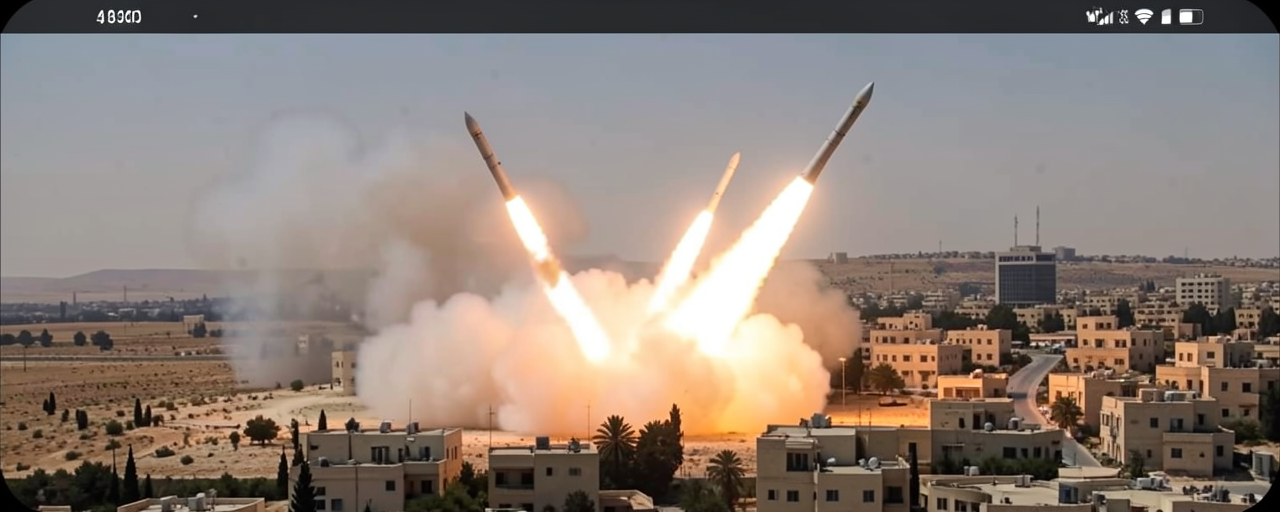
Samael.lol – Iran has unveiled video footage of missile strikes targeting Israeli territory, positioning the assault as the opening phase of a broader campaign of attacks. The footage, shared by state media, depicts a series of missile launches from Iranian soil, with the regime asserting that these actions signal the start of “a full week of continuous strikes.” The move comes amid heightened regional tensions, as both nations prepare to test their military capabilities in a renewed confrontation. While the specific locations and number of missiles remain undisclosed, the visual evidence underscores Iran’s strategic intent to challenge Israel’s presence in the area.
According to the Israel Defense Forces (IDF), Iranian forces had targeted military infrastructure in western and central regions of the country. However, the Israeli military has not yet provided detailed accounts of the damage inflicted or the exact locations of the strikes. This lack of transparency has fueled speculation about the scale of the attacks, with analysts suggesting that the targets may include key defense installations or strategic command centers. The IDF’s response has been swift, with officials emphasizing the necessity of defending against perceived threats, though no immediate retaliation has been announced.
“Donald Trump urged Israel to avoid escalating the conflict, stating that he would call Benjamin Netanyahu ‘right now’ to advise against a retaliatory strike.”
President Donald Trump’s intervention in the crisis highlighted his continued influence on Middle Eastern affairs despite his departure from the White House. In a recent statement, he warned Israeli leaders against responding to Iran’s missile barrage, arguing that a measured approach would prevent further escalation. The remark underscores the diplomatic tensions between the U.S. and Iran, as well as the role of former administrations in shaping current conflicts. Trump’s call to Netanyahu was made shortly after the footage was released, suggesting a direct effort to mediate the situation before it spirals into open warfare.
The coordinated attacks mark the first direct military engagement between Iran and Israel since the ceasefire agreement was established two months ago. This development has raised questions about the durability of the truce, which was brokered in the aftermath of a previous series of strikes. While the ceasefire has allowed both sides to regroup, the recent missile launches indicate that the conflict may be entering a new phase of aggression. Analysts warn that the breakdown of the agreement could lead to a prolonged escalation, with both nations testing each other’s resolve and defenses.
Iran’s decision to release the footage has been interpreted as a psychological maneuver to demonstrate its military readiness and deter further Israeli action. The video, which showcases the precision and coordination of the missile strikes, is likely intended to bolster domestic support for the regime’s stance against Israel. Meanwhile, the IDF’s silence on the details of the attack has been seen as a calculated response, aimed at maintaining momentum in its operations while avoiding unnecessary provocation. The strategic timing of the strikes—coming just days after a significant political shift in Tehran—suggests a deliberate effort to assert dominance in the region.
The broader implications of the attack extend beyond immediate military concerns. With the Iran-Israel rivalry intensifying, regional allies such as Syria and Hezbollah may find themselves drawn into the conflict. The United States, although no longer in direct control of Israel’s foreign policy, has maintained a strong strategic interest in preventing Iran from gaining a foothold in the Middle East. This has led to calls for increased international coordination to stabilize the situation and prevent a full-scale war.
Historically, Iran and Israel have been adversaries, with their rivalry dating back to the 1979 Islamic Revolution. The latest missile strikes are part of a pattern of retaliatory actions that have characterized their relationship over the years. While the ceasefire was meant to reduce hostilities, the recent escalation suggests that the underlying tensions remain unresolved. Experts note that the conflict is not just a bilateral issue but a reflection of deeper geopolitical rivalries, including the U.S. and its allies versus Iran and its proxies.
As the situation unfolds, the international community is closely monitoring developments for signs of a larger conflict. The footage released by Iran has already sparked debates on social media and in political circles, with some viewing it as a bold move and others as a provocation. Meanwhile, Israel is expected to assess the damage and determine its next course of action, whether through military strikes, diplomatic negotiations, or a combination of both. The coming days will be critical in shaping the trajectory of this renewed confrontation.
The episode also highlights the role of media in modern warfare, as Iran uses the release of video evidence to project strength and control the narrative. In contrast, Israel’s more subdued response has allowed it to maintain the element of surprise, which could be a tactical advantage in future engagements. As both nations prepare for potential further strikes, the focus remains on minimizing civilian casualties while demonstrating military capability. The psychological impact of such actions cannot be underestimated, as they aim to influence public perception and international opinion.
With the ceasefire on the brink of collapse, the region faces an uncertain future. The missile strikes serve as a reminder of the fragile balance of power between Iran and Israel, and the potential for rapid escalation. As the situation evolves, the global response will play a crucial role in determining whether this conflict leads to a broader war or a temporary standoff. For now, the footage released by Iran and the IDF’s countermeasures remain the focal points of a developing crisis that could reshape the Middle East landscape in the coming weeks.