
Iran sends tankers loaded with oil past US military blockade
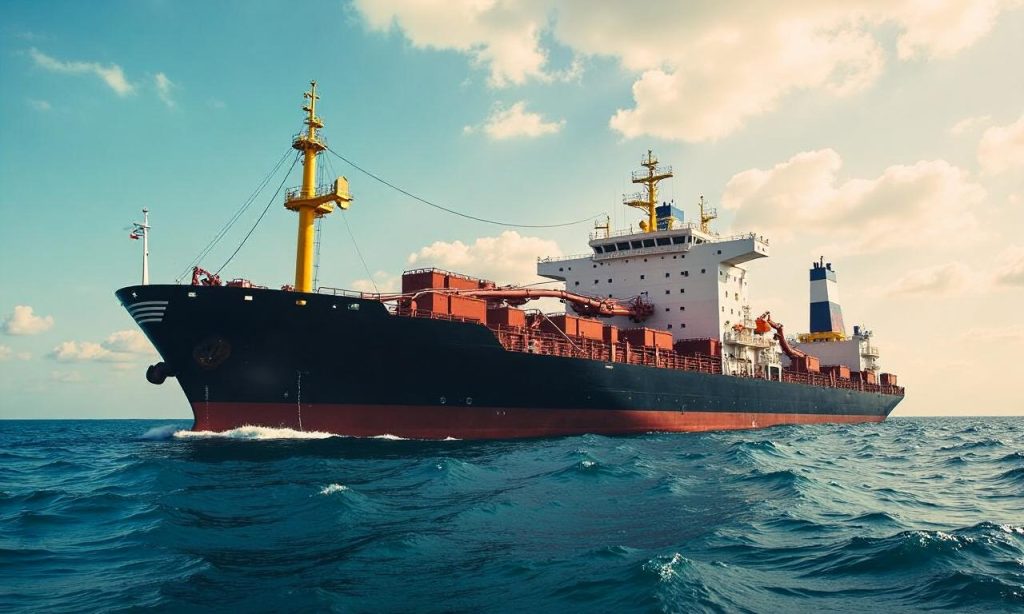
Iranian Tankers Navigate Past US Maritime Restrictions in the Gulf of Oman
Iran sends tankers loaded with oil past – Recent ship-tracking data reveals that three Iranian oil tankers have successfully crossed the US-imposed maritime blockade in the Gulf of Oman, according to analysts. The vessels, which include the Diona, Hero II, and Sonia I, are all operated by the National Iranian Tanker Company (NITC). Two of the ships transmitted their positions as they moved past the blockade, while the third activated its location tracker shortly after breaching the line. This activity has sparked renewed attention on the strategic implications of the US’s ongoing restrictions on Iranian maritime trade.
US Blockade and the Swiss Agreement
Despite President Donald Trump’s earlier declaration of the “immediate removal” of the US blockade on Iranian ports, naval forces have confirmed that the restrictions will remain in place until a new agreement with Iran is finalized. The deal is set to conclude in Switzerland on Friday, a development that has led to speculation about its potential impact on Iran’s energy exports. “This shows Iran is assuming the blockade is lifted, even if the US maintains it until the agreement is signed,” said Michelle Wiese Bockman, a senior analyst at Windward Maritime Intelligence, as quoted by BBC Verify. The NITC’s tankers are now emerging as a symbol of resilience amid the sanctions.
Historically, the US has imposed long-term sanctions on Iran due to concerns over its nuclear program, support for groups designated as terrorist organizations, and allegations of human rights violations. These measures have significantly constrained Iran’s ability to export crude oil, with the country’s output plummeting to its lowest level in six years. In May, Iran’s oil exports reached only 260,000 barrels per day, a fraction of the 1.67 million barrels per day average recorded in 2025, as per data from Kpler, a maritime intelligence firm.
Tracking the Movement of Iranian Vessels
MarineTraffic data indicates that the Hero II and Sonia I tankers departed from Chabahar port in Iran on Tuesday, where several other Iranian vessels are currently docked. These ships sailed past the US blockade line into the Arabian Sea during the early hours of Wednesday. The Diona, meanwhile, began transmitting its location just beyond the blockade on Thursday, marking a notable shift in its operational pattern. According to Windward, this is the first time these particular tankers have shared their coordinates since March, signaling a potential resumption of exports after a two-month hiatus.
As of now, the tankers are not revealing their intended destinations, which has raised questions about the extent of the US’s reach. However, their movement past the blockade suggests a strategic effort to bypass restrictions and secure international markets. “The ships’ progress indicates a deliberate move to reestablish Iran’s presence in global trade routes,” noted Bockman. The combined cargo of the three tankers totals 3.8 million barrels of crude oil, a volume that could bolster Iran’s energy output in the coming weeks.
Broader Context of US Enforcement
While the US initially framed its blockade as a temporary measure, the enforcement has extended beyond the Gulf of Oman. American forces have intercepted Iran-linked vessels in the Indian Ocean, thousands of miles from the region, demonstrating the scope of their operations. This has led to concerns about the continued impact on Iran’s trade networks, even as the country seeks to normalize relations with the international community.
Another NITC-owned tanker, the Stream, stopped broadcasting its location just before reaching the US blockade line and is reportedly heading toward Iran. The unladen vessel has been circling off the Pakistani port of Karachi since 8 May, according to tracking platforms. The recent activation of the Stream’s location tracker adds to the growing evidence of Iran’s efforts to resume its maritime activities, despite the ongoing restrictions.
Increased Activity and Strategic Implications
Following the announcement of the US-Iran deal, Iranian-linked tankers and cargo ships have shown a marked increase in activity across global routes. This trend, highlighted by the United Against Nuclear Iran (UANI) campaign, underscores Iran’s determination to mitigate the economic pressures imposed by the blockade. The Dan and Sinopa tankers, also owned by NITC, began transmitting their positions in the Strait of Malacca, between Malaysia and Indonesia, on Tuesday. Both ships had been absent from public tracking platforms since early April, indicating a coordinated effort to reenter international shipping lanes.
“Iran is swiftly restoring its tanker operations, demonstrating a clear strategy to counter the effects of the blockade,” remarked Bockman. The movement of these vessels could signal a broader shift in Iran’s approach to energy exports, potentially challenging the US’s ability to control the flow of its crude oil. Analysts suggest that the resumption of exports may help Iran stabilize its economy, even as the country navigates the complexities of the new agreement.
Summary of Key Developments
The recent passage of Iranian tankers past the US blockade highlights the evolving dynamics of international trade and US sanctions policy. With the agreement anticipated to be finalized in Switzerland by Friday, the situation remains fluid, and Iran’s actions may influence the timeline of its economic recovery. The data from tracking platforms and maritime intelligence firms like Windward and Kpler provide critical insights into the extent of Iran’s trade activities and the effectiveness of the US’s restrictions. As the world watches, the resumption of oil exports could mark a turning point in the country’s relationship with global markets.
Additional reporting by Barbara Metzler.