
‘It was surreal’: British couple describe having warning shots fired near them by Russian warship
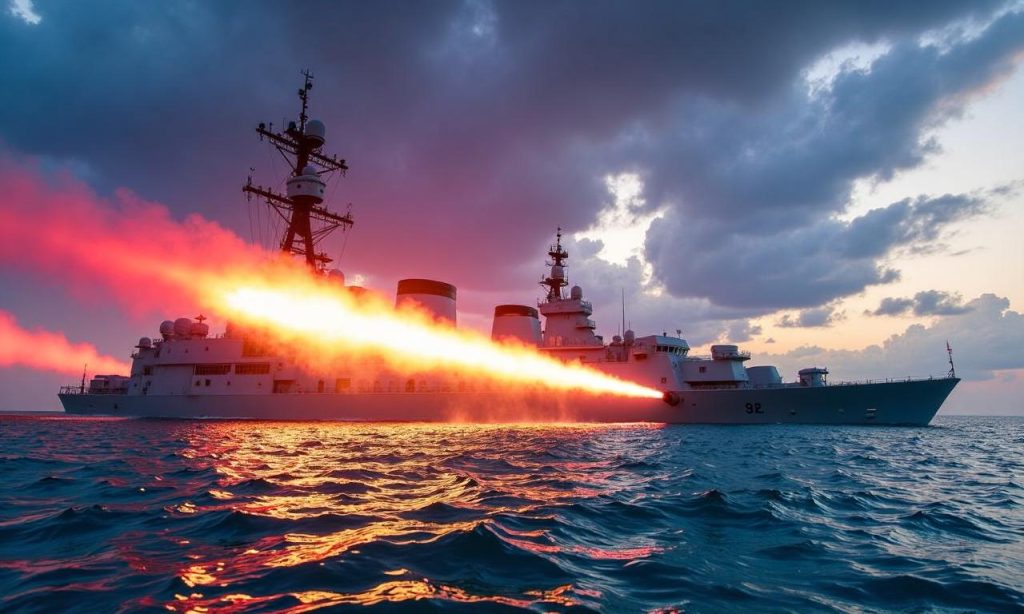
British Couple’s ‘Surreal’ Encounter with Russian Warship in English Channel
It was surreal – On Tuesday, a pair of British retirees on a yacht reported a startling near-miss with a Russian warship in the English Channel, describing the event as “surreal.” Jane and Alan Kelvey, who were sailing approximately 23 miles south of the Isle of Wight, recounted how a Russian frigate, the Admiral Grigorovich, unexpectedly fired warning shots near their vessel. The couple’s account, shared with BBC Newsnight, highlights a tense moment that unfolded under clear skies, raising questions about the incident’s intent and context.
Close Call with the Russian Frigate
According to Jane Kelvey, the encounter began when the Admiral Grigorovich, a Russian frigate, approached their yacht, the Bright Future. “They gave out five blasts on their horn, which means ‘have you seen us?’” she explained in a
“We immediately turned two degrees to port so they could see we had made a deliberate change of course, which meant we had seen them.”
Minutes later, the Russian crew repeated the horn blasts, followed by four to five small arms fire. Jane emphasized that the gunfire was not aimed directly at their yacht, stating, “That wasn’t aimed at us—it was warning fire that went up in the air, we believe.” She added that her vessel was “definitely not on a collision course” at the time, describing the moment as a sudden escalation from a routine sailing trip. Alan Kelvey echoed this, calling the gunfire “unnecessary” and noting the couple’s relief when a Royal Navy vessel arrived shortly afterward to assess their safety.
Dispute Over the Incident’s Explanation
The couple challenged the Russian Defence Ministry’s explanation of the event, which claimed the Bright Future had been on a “dangerous approach” toward the warship. According to the ministry, its crew fired warning shots after multiple radio attempts to contact the yacht failed, and following the launch of warning flares. “We were not in danger,” Jane insisted, while the MoD described the incident as “isolated” and unrelated to a separate Russian tanker seizure in the Channel on Sunday.
The British Ministry of Defence confirmed that the Grigorovich had fired warning shots into the path of the UK-registered yacht after attempts to communicate with it. “These were not aimed at the vessel and were an attempt to prevent a possible collision,” an MoD spokesperson told the BBC. The couple’s yacht, which lacked a motor, had drifted toward the warship in foggy conditions, prompting concerns about its maneuverability. British officials suggest the Admiral Grigorovich may have interpreted the yacht’s movement as a potential threat, leading to the defensive action.
Context of the Shadow Fleet Activity
The incident occurred around 20 nautical miles south of the Isle of Wight, outside of UK territorial waters. This location is significant as it lies in international waters, a route frequently used by Russian warships. The Admiral Grigorovich had been shadowed by the HMS Mersey, a British patrol vessel, for several days after being spotted off the coast of Brest, France. The Royal Navy described this as a “routine operation,” monitoring the frigate’s movements as part of its standard maritime duties.
Earlier in the week, Royal Marine Commandos intercepted a Russian shadow fleet tanker carrying sanctioned oil in the Channel, marking the first such operation by the British military. This event may have heightened vigilance, but the MoD clarified that the recent warning shots were not connected to the tanker seizure. The BBC’s Verify team noted that the Admiral Grigorovich had been operating in the area for weeks, supported by repeated resupply missions from a repair vessel, the PM-82. Satellite imagery reviewed by the team shows the PM-82 frequently moving between the Channel and the North Sea, likely delivering essential supplies to the frigate.
Strategic Implications of the Frigate’s Role
A NATO source informed the BBC that the Admiral Grigorovich had been ordered by Moscow to escort shadow fleet vessels through the Channel. This aligns with reports that the frigate had previously accompanied six Russian-flagged ships through the waterway, as observed by the Royal Navy. The vessels included “one submarine and around six merchant and support ships,” according to the navy’s earlier statement. These operations suggest a coordinated effort to transport oil and other resources while avoiding direct detection.
The current incident adds to a pattern of Russian naval activity in the Channel. The Admiral Grigorovich’s presence there, combined with its reliance on the PM-82 for logistical support, indicates a strategic focus on maintaining operational readiness. The frigate’s extended time at sea, enabled by regular resupply, allows it to conduct prolonged missions, such as escorting convoys or monitoring other vessels. This capability has drawn attention from NATO officials, who believe the PM-82 plays a critical role in sustaining the Admiral Grigorovich’s operations.
Broader Maritime Operations
Russian warships routinely transit the English Channel, often under the watchful eyes of Royal Navy vessels. The Admiral Grigorovich’s recent activities, however, have underscored the growing scrutiny of its movements. The HMS Mersey’s shadowing of the frigate highlights the Royal Navy’s efforts to track potential threats, especially in light of the shadow fleet’s involvement in transporting sanctioned goods. The couple’s encounter, while brief, serves as a reminder of the close proximity that can occur during these patrols.
As the MoD investigates the incident, the details of the warning shots and their timing remain central to understanding the event’s significance. The couple’s account, which includes the sequence of horn blasts and gunfire, contrasts with the Russian Defence Ministry’s assertion that the yacht had been on a “dangerous approach.” This discrepancy has sparked debate about the nature of the interaction and whether it was a precautionary measure or an act of aggression. The Royal Navy’s subsequent response, sending a patrol vessel to the scene, underscores its commitment to ensuring safety and clarifying the situation.
With the Admiral Grigorovich’s resupply efforts and its role in supporting the shadow fleet, the incident raises questions about the broader implications of Russian naval operations in the Channel. British officials are now reviewing the circumstances, while the NATO source’s information adds a layer of strategic context to the event. As the investigation continues, the couple’s experience remains a vivid example of the unpredictable encounters that can occur on the high seas, even in international waters.