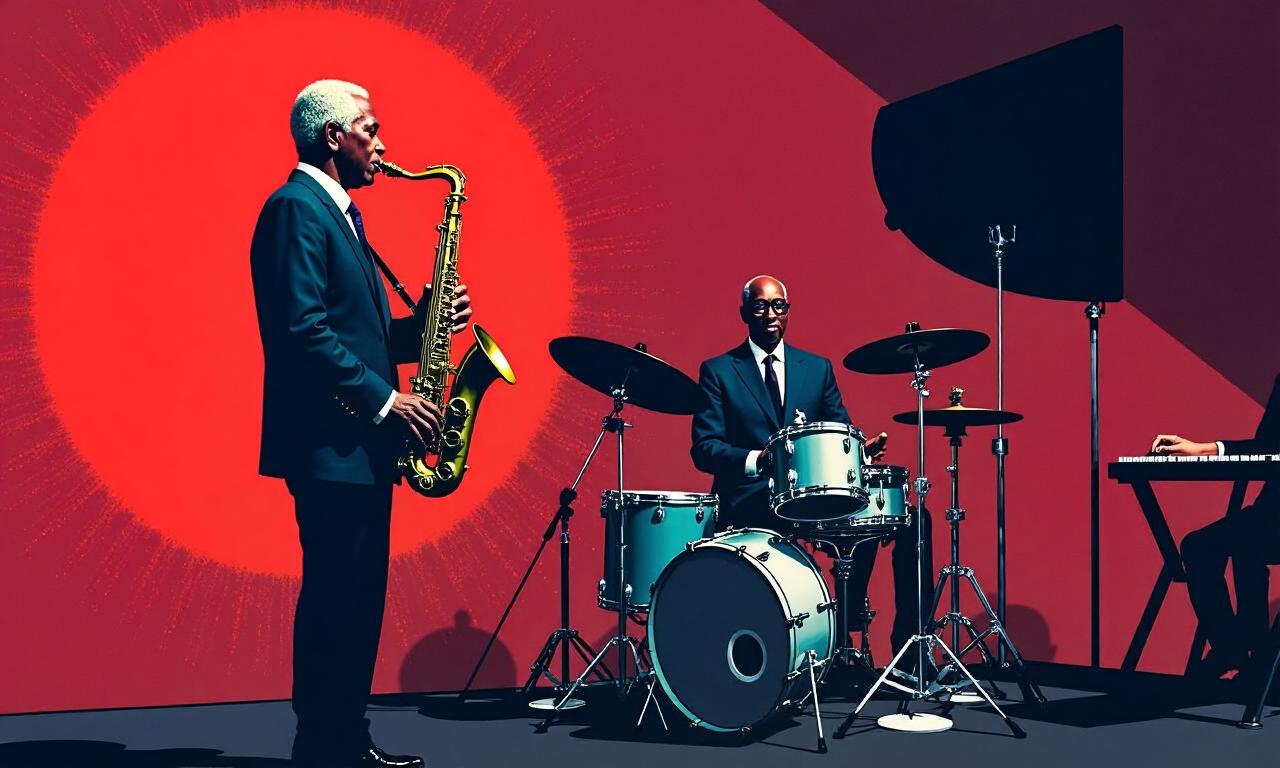
Jazz Icon Sonny Rollins Passes Away at 95
Samael.lol – Sonny Rollins, the revered jazz virtuoso affectionately dubbed the “saxophone colossus,” has died at the age of 95. His passing was confirmed on Monday afternoon at his home in Woodstock, New York, according to a statement from his publicist, who hailed him as “one of the most honored and influential figures in American music.” Rollins’ legacy, spanning decades of groundbreaking work, left an indelible mark on the world of jazz, with his contributions continuing to inspire musicians and fans alike.
A Career Shaped by Innovation and Collaboration
Rollins’ journey in music began in the late 1940s, launching him into a career that would redefine the saxophone’s role in jazz. Early in his career, he collaborated with jazz pioneers such as Miles Davis, Charlie Parker, and John Coltrane, blending their styles into his own unique voice. His discography includes over 60 albums as a bandleader, showcasing a range from intimate solos to ensemble masterpieces. Among his most celebrated works is the 1956 album *Saxophone Colossus*, which solidified his reputation as a trailblazer. Before his retirement in 2014, due to a prolonged battle with respiratory illness, he had already earned two Grammy Awards for his artistry.
From a Gifted Start to a Lifelong Obsession
Raised in New York, Rollins was given his first saxophone—a alto model—by his mother at the age of seven. The instrument immediately captivated him, as he recounted in an interview with *Jazz Times*: “I got the saxophone and I went into the bedroom and I started playing – that was it. I was in seventh heaven… I could have been there forever.” This early connection to the saxophone became the cornerstone of his musical identity. His grandmother, who bestowed the nickname “Sonny” upon him, recognized his prodigious talent early on, and he was later mentored by the iconic pianist Thelonious Monk, further shaping his artistry.
A Moment of Reflection: The 9/11 Experience
Rollins’ life took a poignant turn on 11 September 2001 when he was stationed near the World Trade Centre in New York City. The attack forced him and his wife to evacuate to upstate New York, with Rollins carrying only his saxophone as a symbol of what he valued most. In a later interview with the *Guardian*, he reflected on the event, stating, “I lost many prized possessions in 9/11 and learned a lesson – possessions are not where it’s at.” This experience deepened his philosophical outlook, which he often expressed in his music and interviews.
Philosophy and Performance: The Art of Spontaneity
Rollins was known for his ability to channel creativity without constraint. In a 2009 quote that accompanied the announcement of his death, he shared his perspective on artistic legacy: “I think when the creative person ends, he continues in the next existence. I’m a person who believes this life isn’t the be-all and end-all of everything. A spiritual person doesn’t feel like that.” This belief in the eternal nature of artistry resonated through his performances, where he embraced improvisation as a form of liberation. When asked about his approach to stage, he explained to *PBS*, “Improvising on it, that I leave completely to the forces. Sometimes I’m surprised by what comes out.” His philosophy emphasized surrendering to the moment, allowing the music to unfold organically.
A Legacy of Influence and Recognition
In 2010, Rollins was honored with the National Medal of the Arts by President Barack Obama, who acknowledged the musician’s impact on his own creative journey. Obama remarked, “The jazz musician had inspired me to take risks that I might not otherwise have taken,” highlighting Rollins’ role as a mentor and innovator. His work with artists like Art Blakey and Bud Powell further demonstrated his versatility, as he seamlessly integrated into diverse musical landscapes. The 1962 album *The Bridge*, born from his daily practice sessions on New York’s Williamsburg Bridge, became a cultural touchstone. The album’s success even prompted discussions about renaming the bridge in his honor, a testament to its significance in his career.
Enduring Impact on Jazz and Beyond
Rollins’ contributions to jazz extended beyond his technical mastery. His long, exploratory solos redefined the genre’s boundaries, earning him a reputation as one of the greatest improvisers of all time. His ability to blend spontaneity with precision made him a favorite among audiences and critics alike. Even as his health declined, his dedication to music remained unwavering, with his final years marked by a return to the stage and a continued influence on younger generations. His passing leaves a void in the jazz world, yet his work ensures his voice will echo through time.
From his humble beginnings in New York to his global acclaim, Sonny Rollins’ life was a testament to the power of passion and perseverance. His music, characterized by its depth and innovation, remains a cornerstone of jazz history. As fans and fellow musicians mourn his loss, they also celebrate a career that defied convention and brought a new dimension to the saxophone. Rollins’ legacy is not just in the notes he played but in the inspiration he provided to countless artists who followed in his footsteps.
A Symbol of Resilience and Artistic Freedom
Despite facing health challenges that led to his retirement in 2014, Rollins never stopped contributing to the music world. His final years saw him continue to compose and perform, even as he limited his physical activity. The Williamsburg Bridge, where he once practiced for hours, became a metaphor for his creative process—a place where the city’s energy merged with his own. This connection to the urban landscape of New York City, where he spent much of his life, underscored his deep roots in the jazz scene.
Rollins’ ability to transform personal experiences into artistic expression is evident in his work. The 9/11 tragedy, for instance, became a source of introspection and resilience, reflected in his music and words. His saxophone, a constant companion, symbolized his focus on what truly mattered: the art itself. As his career neared its end, he remained a figure of inspiration, reminding the world that music is a bridge between lives, even when the creator is no longer physically present.
Remembering a Giant of Jazz
His death has sparked a wave of tributes, with many emphasizing his role as a pioneer who expanded the possibilities of jazz. Rollins’ influence is felt not only in the technical aspects of his playing but in the way he encouraged others to embrace their unique voices. His ability to merge tradition with innovation ensured that his music would never be confined to a single era. As the jazz community comes together to honor him, his name will continue to be associated with excellence, creativity, and the enduring power of artistic expression.
In the years ahead, Rollins’ work will serve as a reminder of the heights a single instrument can reach when played with soul and skill. His life story—marked by resilience, innovation, and a deep spiritual connection to his craft—offers a blueprint for artists seeking to leave their mark on the world. While his saxophone now rests in silence, his legacy lives on through the countless performances and recordings that continue to inspire. As he once said,