My daughter woke up with a numb arm and died two weeks later
The Tragedy That Changed a Life
Samael.lol – In April 2025, 11-year-old Alicia-Adele Axiak from Caerphilly began experiencing mild arm numbness amid a busy week of activities. She had been playing netball, preparing for a dance competition, and attending school. Her mother, Amanda, described the incident as a “startling moment” that marked the beginning of a devastating journey. “She said ‘mam, my arm doesn’t feel right’ and I thought it was just from netball or sleeping awkwardly,” Amanda recalled. Despite the early warning signs, Alicia continued with her daily routines, unaware that her life was about to take a tragic turn.
A Diagnosis That Shook the Family
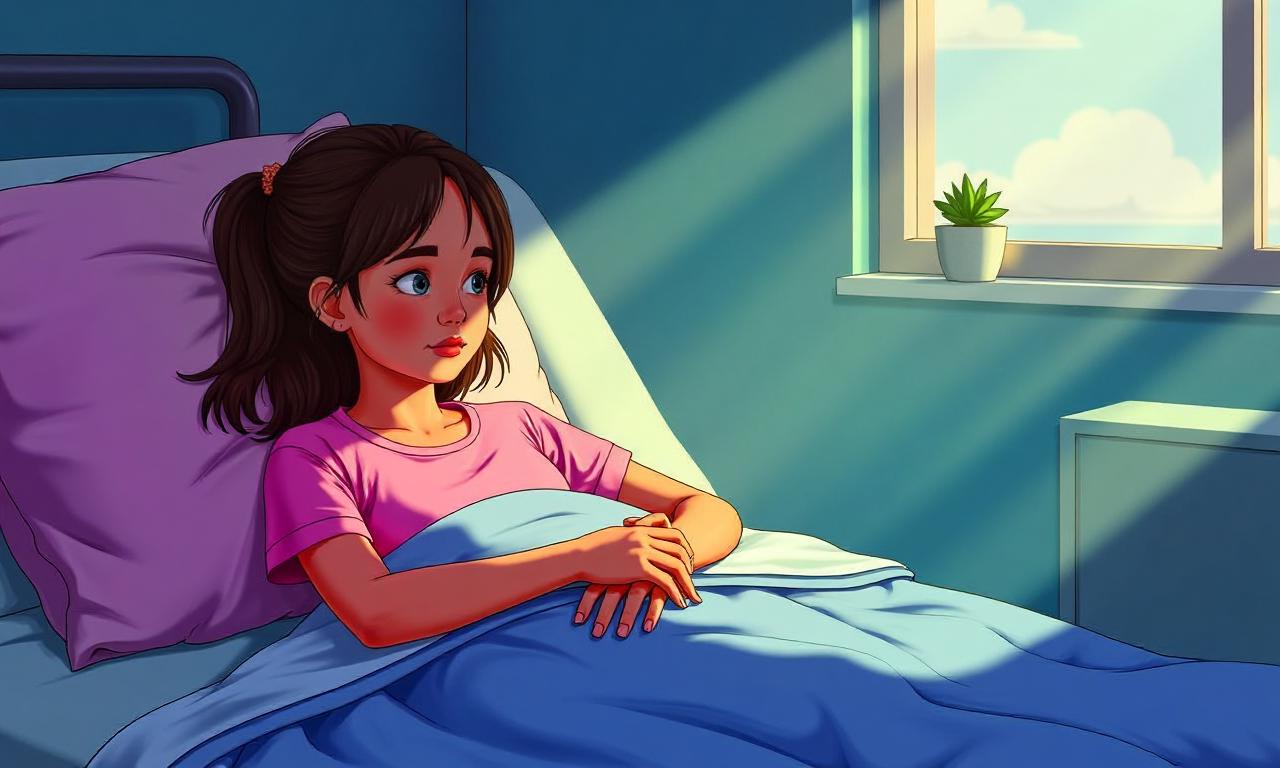
By Thursday morning, the symptoms had worsened. The numbness spread to her face and leg, prompting Amanda to contact the general practitioner. The GP’s response was swift, noting the unusual nature of the case and suggesting a stroke. That night, Alicia was admitted to Grange Hospital in Cwmbran, Torfaen, where an MRI scan revealed the grim truth: a diffuse midline glioma, commonly referred to as DIPG, had taken root in her brain. The diagnosis, delivered on 12 April 2025, was both “devastating” and “incurable.” Within just 13 days, Alicia passed away on 25 April, leaving her family in profound grief.
Amanda, 46, described the experience as a complete upheaval. “It ripped our world apart entirely,” she said. Alicia, the youngest of four siblings with three older brothers, was “a perfectly healthy girl, very fit, so full of life.” Her health had appeared stable just a month prior, when she had visited an optician without any notable issues. “There was no fevers, no headaches, absolutely nothing. It came from nowhere,” Amanda emphasized. The rapid progression of the disease left little time for preparation, yet Alicia faced her fate with grace, surrounded by her family.
A Campaign for Change
Devastated but determined, Amanda embarked on a mission to highlight the lack of resources for brain tumor research. She believes the current funding is “appalling” and that her daughter’s death should not be in vain. “The funding is absolutely appalling for brain tumour research,” she said, expressing her frustration. “Even if we can make a small change, it’s a small change all.” Her efforts have led to the creation of Alicia-Adele’s Angels, a grassroots initiative aimed at raising awareness and funds for the cause.
Amanda’s campaign has already generated over £7,500 through events like the Caerphilly 10K race. “I want to spread awareness far and wide,” she explained. “So brain tumour patients don’t get left behind.” The group’s name is a tribute to Alicia’s dream of becoming a paediatrician, a goal Amanda believes her daughter would have pursued with passion. “I’ve always said, for as long as my heart beats, so will Alicia’s,” she said. “She would have helped all these little angels, hence why I came up with the name.”
The Stark Reality of Brain Tumour Research
According to Brain Tumour Research, brain cancers are the leading cause of cancer-related deaths among children and adults under 40 in Wales. Yet, the disease receives just 1% of the UK’s total cancer research funding since 2002. This has led to a survival rate in Wales of only 17.2% for patients living five years or more after diagnosis, compared to 61.5% for cancer patients overall. Amanda called this “a shocking statistic,” underscoring the urgent need for increased investment.
“It’s my point for her to never be forgotten,” Amanda said. “We talk about Alicia all the time, we cry about her, we laugh about her.” She highlighted her daughter’s empathy, noting that Alicia had a habit of helping others. “She’d walk home from school carrying bees that needed some sugar water,” Amanda shared. “If there were any children sitting alone, they wouldn’t be on their own for long. Alicia would come and take them under her wing.”
Welsh Government’s Commitment
In response to growing concerns, the Welsh government announced its new cancer strategy, emphasizing the importance of research, innovation, and access to clinical trials. The plan aims to ensure “more patients can benefit from new treatments, including for brain cancer.” It also includes measures to strengthen legal protections for tissue preservation, enabling better access to cutting-edge care. “We are committed to improving confidence for patients and families,” a government spokesperson stated. “By making high-quality methods of tissue preservation standard, we hope to advance treatment options and support future breakthroughs.”
A Legacy of Hope
Amanda’s campaign is driven by a desire to create lasting change. “She just had so much empathy and love,” she said. “She is my inspiration, and I think she’s been an inspiration for a lot of people.” Her story has resonated with others, sparking conversations about the urgency of brain tumor research. “I want to carry the love and legacy of my little girl,” Amanda added. “So that her story doesn’t end in silence.”
The tragedy of Alicia-Adele’s illness has become a rallying cry for families affected by similar circumstances. Amanda’s efforts to raise awareness and funds are part of a broader movement to address the gaps in research funding. “It’s about making sure that no child has to face the same fate,” she said. “That’s why I started this campaign—because Alicia’s life matters.”
Amanda’s journey from grief to advocacy reflects a deep commitment to her daughter’s memory. She continues to share Alicia’s story, hoping to inspire others and push for greater support. “Every parent thinks their child is perfect, of course they do, but she was,” she said. “She was an absolute angel, always cared for everyone.” Her words echo the sentiments of many who have lost loved ones to this aggressive disease, underscoring the need for action. With the Welsh government’s new plan and growing community support, there is hope that Alicia’s legacy will contribute to a brighter future for brain tumor patients. As Amanda puts it, “Her death is not in vain. It’s a call to make a difference.”