Pitches, PlayStations and Protein Ice Cream – A Look Inside Brazil’s World Cup Base Camp
Samael.lol – Brazil’s national football squad has selected the Columbia Park Training Facility in Morris Township, New Jersey, as their World Cup headquarters. This newly established compound serves as a central hub for preparation, housing Major League Soccer’s Red Bull New York team. The state-of-the-art complex features amenities designed to optimize player performance, including a pool, sauna, and lounge area. Notably, it includes eight football pitches, one of which replicates the surface used at MetLife Stadium for the final match of the World Cup. BBC journalist Brandon Livesay provides an in-depth tour of the facility, highlighting its role in shaping Brazil’s strategy for the tournament.
State-of-the-Art Infrastructure for Team Development
Inside the facility, the focus is on creating an environment that supports both physical and mental readiness. The training area is equipped with advanced technology to monitor player health and recovery, while the lounge offers spaces for relaxation and team bonding. The eight pitches, some of which are synthetic, ensure consistent conditions for practice and matches. One standout feature is the replica pitch, mirroring the layout and surface of MetLife Stadium, allowing players to acclimate to the final venue. This attention to detail reflects Brazil’s commitment to precision in every aspect of their campaign.
The design of the facility integrates modern sports science with comfort. For instance, the sauna room is a key element for post-exercise recovery, while the pool provides hydrotherapy options. The presence of PlayStations and protein ice cream in the canteen underscores a balance between rigorous training and leisure, catering to the diverse needs of athletes. Such facilities are increasingly common in international competitions, emphasizing the importance of holistic preparation.
Leaders’ Meetings in Beijing: A Ceremonial Reunion
Chinese President Xi Jinping hosted Russian leader Vladimir Putin in a ceremony reminiscent of the one conducted for Donald Trump during his recent visit. The event, which featured military parades and diplomatic gestures, symbolized the enduring ties between the two nations. BBC analysts Laura Bicker and Steven Rosenberg dissect the relationship between the leaders, noting how their interactions in Beijing highlight strategic alignment despite differing global policies.
Xi’s welcome for Putin was nearly identical to Trump’s earlier gathering, including a grand display of military force and a backdrop of political symbolism. This parallel underscores the diplomatic significance of the meeting, which aimed to strengthen bilateral cooperation. Meanwhile, in Washington, DC, an art installation features bears representing Ukrainian children reportedly abducted by Russia. The symbolic gesture reflects ongoing tensions in the region, as officials in both states cite dry conditions and high winds as challenges in managing wildfires.
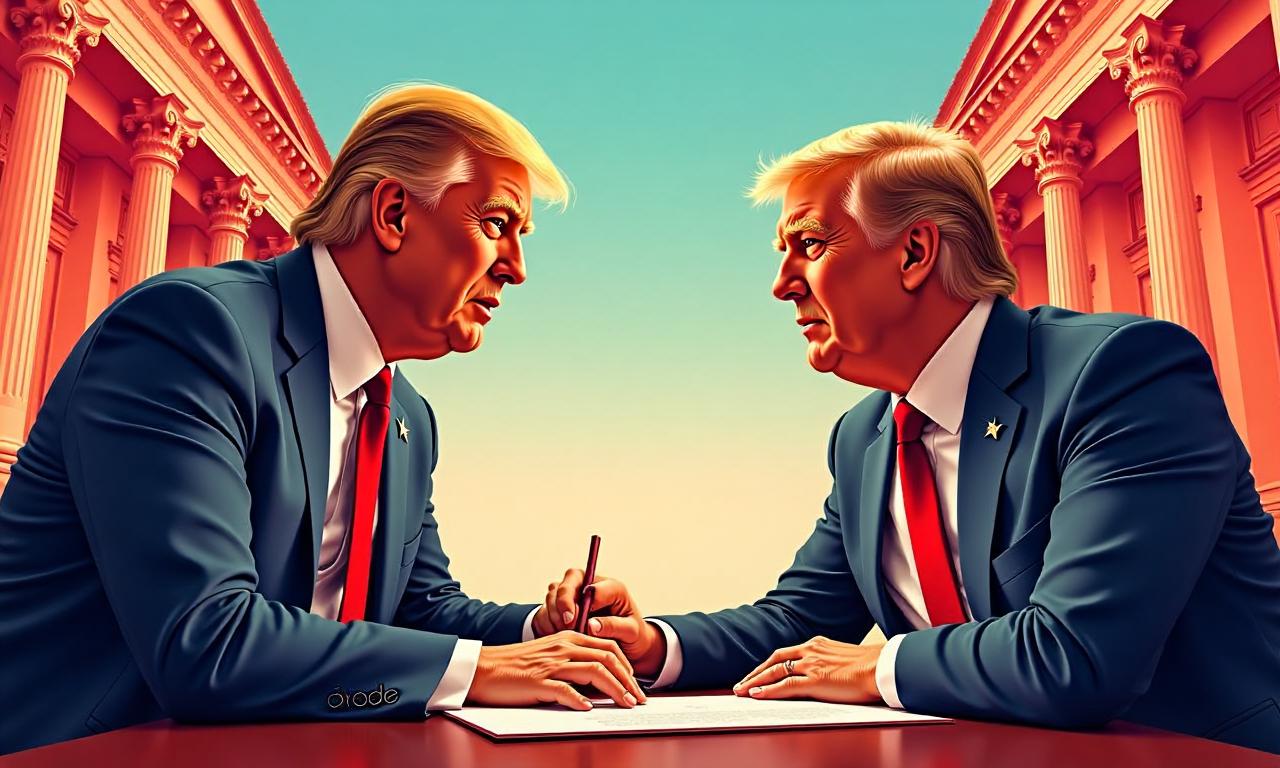
Back in Beijing, the summit between Trump and Xi marked a critical moment in U.S.-China relations. The two leaders engaged in discussions about trade, technology, and geopolitical issues, with Trump’s team emphasizing economic concerns. The BBC’s Sarah Smith explores the power dynamics at play, noting how the meeting encapsulates the delicate balance of negotiation between the world’s largest economies.
Peace Talks and Naval Blockades: The Global Context
In Islamabad, BBC reporter Azadeh Moshiri reports on preparations for peace talks, though no official date has been confirmed. The discussions, centered on regional stability, aim to address ongoing conflicts and foster cooperation. Meanwhile, in the Gulf, the U.S. has intensified its naval blockade, intercepting an Iranian-flagged cargo ship as part of broader efforts to curb smuggling and resource extraction.
Donald Trump’s announcement of a ceasefire extension with Iran did little to ease tensions, as attacks on vessels in the Strait of Hormuz persisted. The region remains a flashpoint for geopolitical rivalry, with Esmail Baghaei, an Iranian official, expressing concerns over the blockade and the seizure of Iranian ships. These actions have raised questions about the effectiveness of diplomatic gestures in resolving the crisis.
Amid these developments, the BBC has identified spikes in activity preceding Trump’s major announcements, suggesting a coordinated effort to manage public perception. The focus on Iran’s role in the Gulf conflict highlights the intersection of military and economic strategies, as the U.S. seeks to stabilize energy markets while countering Iranian influence. The situation is further complicated by the IMF’s warning about the potential impact of war and rising energy prices on the global economy.
Key Risks in the Global Economy
Oil prices, inflation, and interest rates are central to the IMF’s warnings about economic instability. BBC analyst Michelle Fleury explains how these factors could derail growth, particularly in regions reliant on energy exports. The report highlights the interconnectedness of global markets, noting that disruptions in the Gulf could ripple across continents.
Meanwhile, the U.S. continues to intercept Iranian vessels, a move that has drawn criticism from some quarters. The naval blockade, which includes the seizure of ships near critical trade routes, is part of a broader effort to control oil flows and pressure Iran into concessions. This strategy, however, has sparked debates about its long-term viability and potential for escalation.
As the World Cup progresses, the focus in Brazil remains on refining their team’s performance. Yet, the broader geopolitical landscape, from Beijing to the Strait of Hormuz, shapes the context in which these sporting events unfold. The interplay of diplomacy, military action, and economic policy continues to define the international stage, with each development adding layers to the global narrative.
The life raft incident, which occurred after a 20-minute flight between two islands collapsed, exemplifies the unpredictability of maritime travel. Passengers were forced to spend hours on a floating life raft before rescue operations concluded. This event, while localized, serves as a reminder of the risks inherent in international travel and the importance of contingency planning.
News of the U.S. intercepting Iranian vessels comes as the country grapples with domestic issues, including a proposed plan to convert a warehouse in Social Circle, Georgia, into a detention center. Residents from both political parties have rejected the initiative, citing concerns over immigration and the use of public spaces. This local debate mirrors the larger discourse on national security and economic policy, reinforcing the interconnected nature of global challenges.
As the World Cup base camp in New Jersey prepares for intense training, the world watches closely for developments in Beijing, the Strait of Hormuz, and beyond. Each event, from the ceremonial welcome of Putin to the high-stakes naval confrontations, contributes to the complex web of international relations. The BBC’s coverage, spanning sports, politics, and economics, provides a comprehensive lens through which to understand these dynamics.
Ultimately, the blend of sports infrastructure and geopolitical maneuvering illustrates the multifaceted nature of modern global interactions. From the eight football pitches to the strategic meetings between world leaders, every detail plays a role in shaping outcomes on both the field and in international diplomacy.