Plaid Cymru’s Rhun ap Iorwerth to unveil ministers for new Welsh government
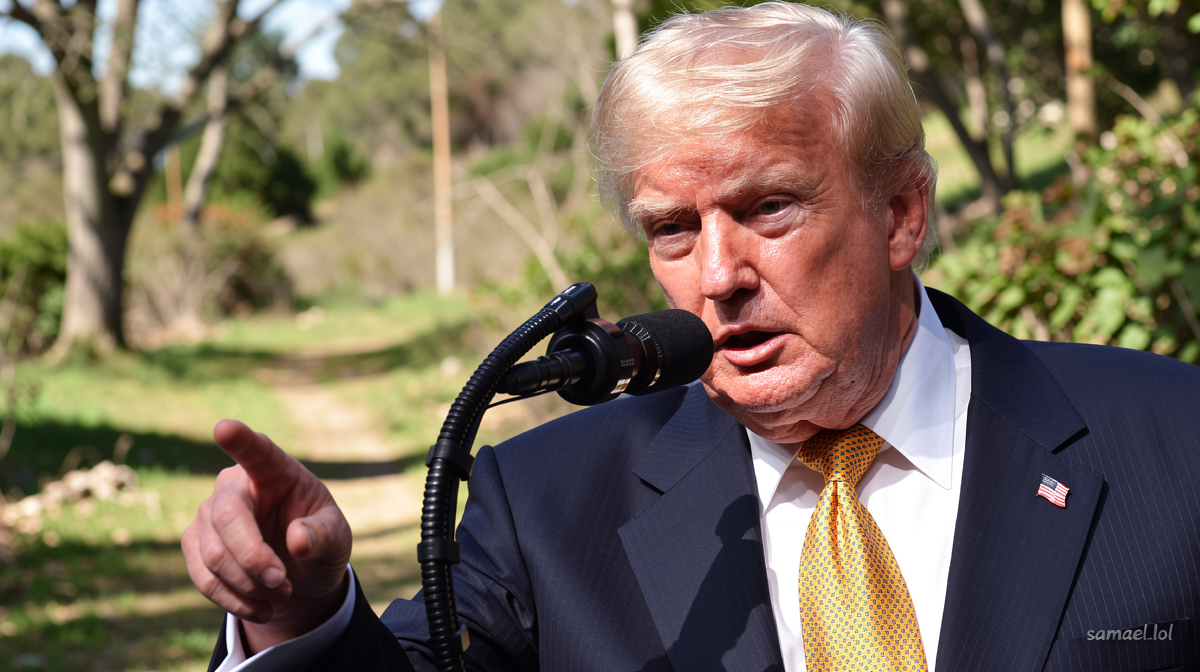
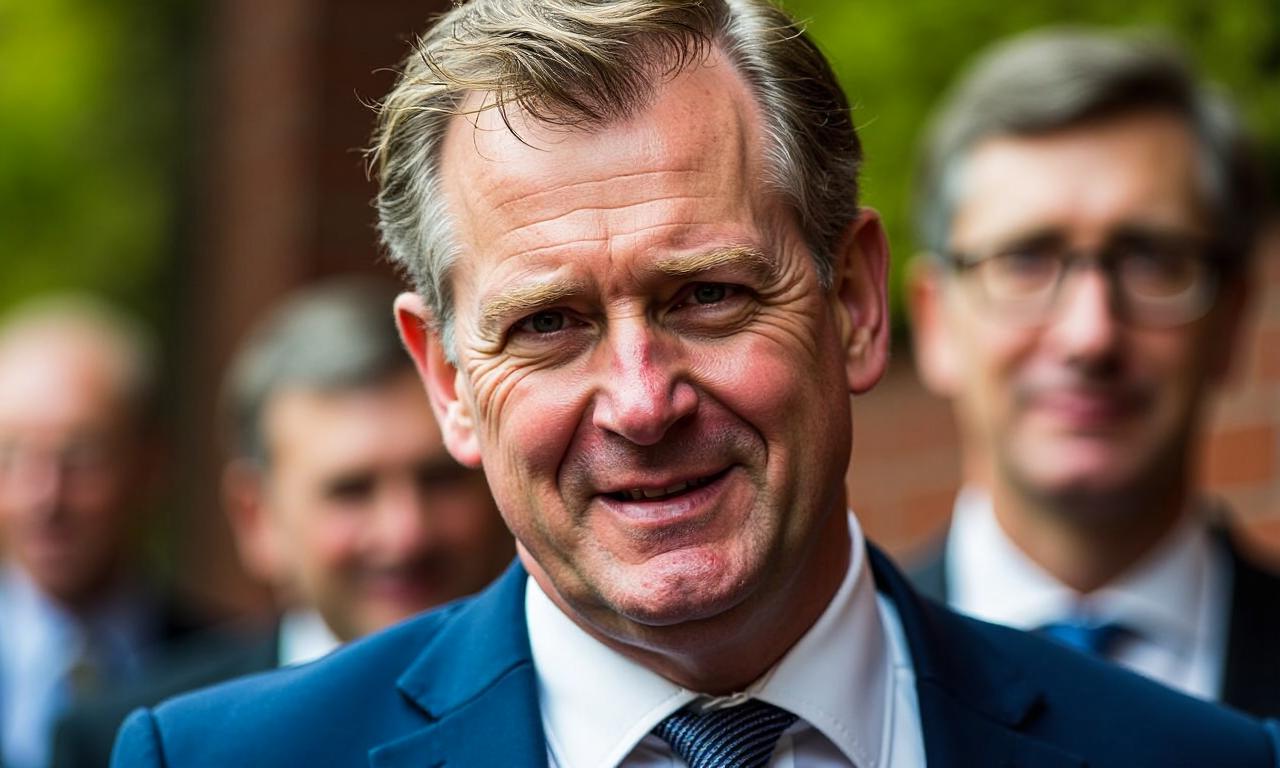
Samael.lol – Rhun ap Iorwerth, leader of Plaid Cymru, has assumed the role of Wales’ first minister, expressing profound gratitude for the honor. The historic election result marked a significant shift in Welsh politics, as the party’s first leader in decades was elected in a roll call of politicians at the Senedd’s inaugural session following the groundbreaking victory. Ap Iorwerth, who will lead the nation as its first non-Labour head of government, emphasized his determination to honor the public’s confidence. “This is the greatest privilege of my life,” he remarked, highlighting his commitment to addressing the needs of all Welsh citizens.
A Historic Moment of Transition
The swearing-in ceremony for ap Iorwerth was delayed due to the Senedd’s need to receive a royal warrant from King Charles III, a procedural step that added several hours to the event. Despite the wait, ap Iorwerth greeted the gathered media with optimism, noting that the party had waited a century to lead Wales. “A few more hours should not be too much of a problem,” he said, underscoring the significance of the moment. His new government is set to be officially announced on Wednesday, with the ministers unveiled at the Welsh government’s headquarters in central Cardiff.
Ap Iorwerth’s Vision for Wales
Speaking on the steps of the Cathays Park in Cardiff, ap Iorwerth described the day as “historic,” signaling a new era for Wales. “This is a shift, I hope, in the way Wales is governed,” he stated, expressing hope for a more progressive and inclusive approach. When asked about his message to Westminster, ap Iorwerth affirmed his allegiance to the people of Wales. “My loyalty will be to the people of Wales,” he declared. “I will endeavor in all I do, working constructively with the UK government, to secure the best possible outcomes for our nation.”
Ap Iorwerth also pledged to collaborate with other parties where shared goals exist. “Where there is common ground, we will make every effort to find it,” he said, emphasizing unity in diversity. His vision includes a government that prioritizes fairness and justice, ensuring that communities across Wales—urban and rural, young and old—feel represented. “We will turn the mission of kindness and tolerance into support for those who need it most,” he added, outlining his commitment to inclusive governance.
Expanded Senedd and Ministerial Structure
The newly formed Senedd, now comprising 96 members compared to the previous 60, has introduced 17 ministerial posts—a rise of five positions. This expansion reflects the increased political complexity of the new administration. While the exact number of additional posts remains uncertain, Plaid Cymru has committed to appointing a public health minister to tackle issues like disease prevention. This decision comes after the previous administration saw health and finance portfolios held by Mabon ap Gwynfor and Heledd Fychan, respectively.
Ap Iorwerth is also considering whether to offer ministerial roles to Elin Jones, the former presiding officer of the Senedd and the only member of the 44-strong group with prior ministerial experience. This move could provide continuity and expertise as the new government navigates its responsibilities. In his speech following the vote for first minister, ap Iorwerth paid tribute to his predecessor, Eluned Morgan, acknowledging her “enthusiasm and pride” in leading the Labour administration. Morgan, however, lost her seat in the recent election, marking the end of Labour’s dominance in Cardiff Bay.
Reform’s Role as Opposition
Reform, the second-largest party in the Senedd, has positioned itself as the primary opposition to Plaid Cymru. Welsh leader Dan Thomas praised ap Iorwerth’s appointment, expressing confidence in his ability to tackle pressing issues like NHS waiting lists and educational performance. “I wish the government well in its efforts to reduce NHS waiting lists, improve education results, and create the right environment for economic growth and job creation,” Thomas said, noting Wales’ urgent need for progress.
Thomas also highlighted Reform’s role as a “robust opposition,” vowing to hold Plaid Cymru accountable. “We represent all people across all of Wales,” he stated. “We will break up the cosy consensus that has presided over 27 years of managed decline.” The Reform group, with 34 seats, has become the largest opposition force, surpassing Labour’s dwindling presence, which now holds only nine seats. This shift in power dynamics underscores the fragmented political landscape following the election.
While Plaid Cymru and the Greens advocate for Welsh independence, Reform and other pro-union parties remain steadfast in their support for the UK. Thomas noted that the Senedd holds a “pro-union majority,” referring to the combined support of parties opposing Welsh independence—Reform, Labour, the Conservatives, and the Liberal Democrats. “We will work with these groups to prevent the allocation of funds to an independence commission,” he said, signaling a united front against secessionist policies.
Challenges and Opportunities Ahead
Ap Iorwerth’s government faces a mix of challenges and opportunities as it embarks on its tenure. The expansion of the Senedd and the increase in ministerial positions will require careful management to ensure effective governance. Meanwhile, his focus on public health, as well as other key areas like education and the economy, aims to address longstanding issues facing the nation. The leader’s emphasis on inclusivity and collaboration with all communities, regardless of their Welsh language proficiency, reflects his desire to foster a sense of shared purpose.
With the political landscape reshaped, ap Iorwerth’s leadership will be pivotal in defining Wales’ path forward. His vision for a “new broader horizon” for the country, as he described in his speech, promises a departure from past policies. Yet, the presence of a strong opposition and the need to balance independence aspirations with UK collaboration will test his ability to navigate complex negotiations. As the new government takes shape, the nation watches closely to see how these changes will impact its future.
A Nation in Transition
Ap Iorwerth’s remarks emphasized the transformative nature of the moment, stating, “Something has stirred in the soul of Wales.” He spoke of a “new confidence, a new hope” for the people, vowing that the Welsh government will now be seen as a direct extension of the nation’s will. “From this historic moment onwards, every person in every part of our nation can know that the government of Wales is their government,” he declared, capturing the essence of the shift toward self-determination.
As the Senedd and the new administration settle into their roles, the focus will turn to implementing policies that align with Plaid Cymru’s manifesto. The party’s emphasis on devolution and autonomy has sparked debates about Wales’ relationship with the UK. Ap Iorwerth’s pledge to “serve everyone in every community” suggests a balanced approach, blending independence goals with pragmatic cooperation. The coming months will be critical in determining whether this vision translates into tangible progress for Welsh citizens.
With the first minister’s oath taken and the ministerial appointments approaching, Wales stands at the threshold of a new chapter. The symbolic and practical changes in governance, from the expanded Senedd to the new leadership, signal a departure from decades of Labour dominance. As the nation looks to the future, the challenge remains to build a government that reflects the diverse aspirations of its people while maintaining stability and effectiveness in governance.