Plans for Australia’s First Trump Tower Scrapped Due to ‘Toxic’ Brand, Developer Says
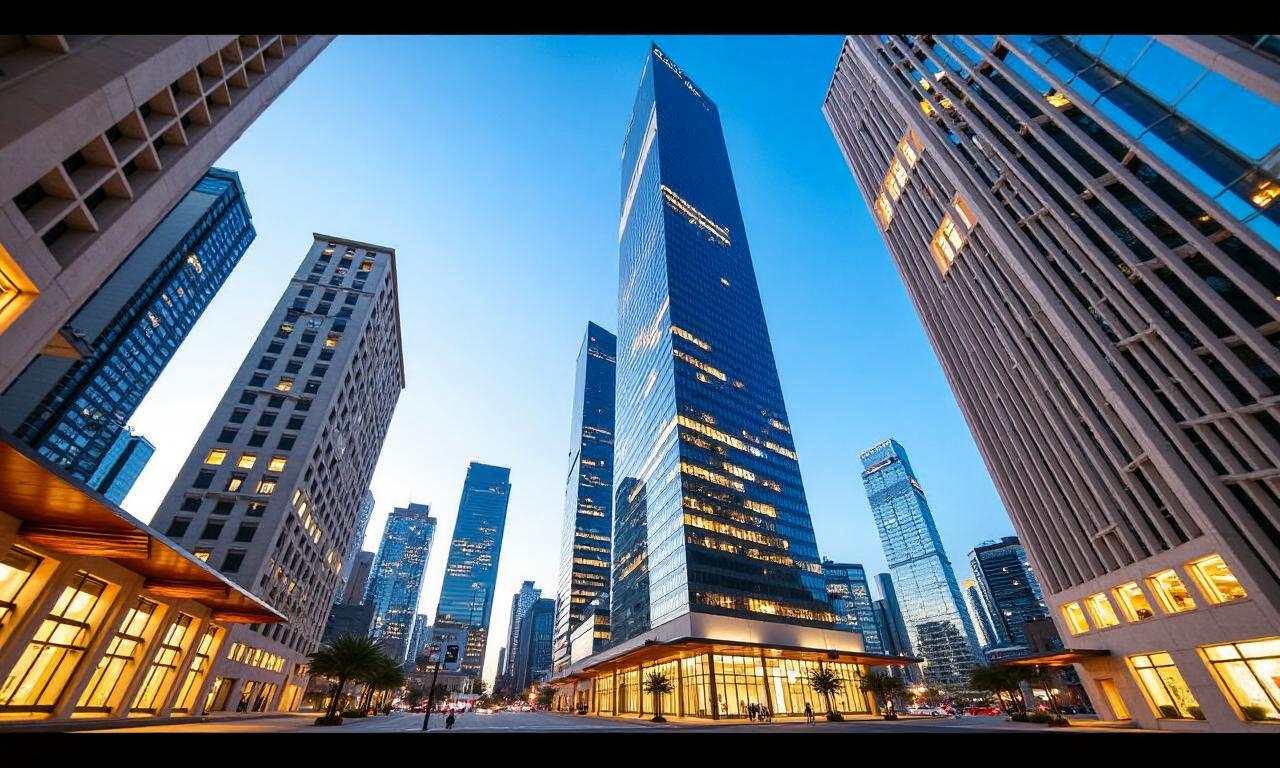
Samael.lol – The ambitious project for a $1.5 billion Trump Tower in Queensland, Australia, has been halted, with the developer citing the brand’s negative image and geopolitical tensions as primary reasons. This decision follows a short-lived partnership that lasted only three months before the deal was called off. The proposed 91-storey luxury hotel on the Gold Coast was set to become the country’s tallest building, standing at 335 meters (1,100 feet)—taller than the Shard in London. However, details about the development have now been removed from the Trump Organization’s website, leaving the project in limbo.
David Young, chief executive of Altus Property Group, the developer behind the project, stated in a statement that the Trump brand had become “increasingly toxic” in Australia. “We knew it was time to part company,” he said, adding that the project remained active despite the termination. Young emphasized that the decision was not due to failure in meeting obligations but rather a strategic move to align with other luxury brand options. He also referenced the ongoing Iran war as a contributing factor to the brand’s decline in public favor.
“Let’s just say that with the Iran war and everything else, the Trump brand was increasingly toxic in Australia,” Young said. “Some time ago we knew it was time to part company. It was not about not meeting obligations. There are other luxury brand options for us. The project is live.”
In contrast, a spokesperson for the Trump Organization claimed that Altus Property Group had not fulfilled its commitments. Kimberly Benza, director of executive operations for the Trump Organization, stated that the company had been “very excited” about the project but had relied on its “licensing partner” to meet financial obligations. “After months of negotiations and empty promise, on a supposed $1.5 billion project, Altus Property Group was unable to meet the most basic financial obligation due upon the execution of the agreement,” Benza said. She accused Mr. Young of using global events as a distraction to shift blame from his own shortcomings.
Gold Coast Mayor Tom Tate noted that the local council had not yet received a development application for the site, stating the project was “an agreement between two private parties.” He suggested that the deal’s collapse stemmed from disputes over profit margins. “The Trump Organization wants a lot more for their brand on the funding side of things, to operate it and the percentage of return,” Tate explained to the Australian Broadcasting Corporation. This highlights the tension between the developer’s aspirations and the brand’s demands.
When the project was first announced in February, Eric Trump—executive vice president of the Trump Organization and Donald Trump’s second son—described it as the company’s first official entry into the Australian market. “This brings the prestige and allure of a world-class luxury brand to the country,” he said at the time. Construction was initially scheduled to begin in August, with the building set to offer 285 hotel rooms, 272 residential apartments, and a range of commercial facilities, including shops, restaurants, and an exclusive beach club.
The cancellation of the Trump Tower has sparked a divided reaction among locals. A petition opposing the development garnered over 120,000 signatures, while a proponent petition attracted approximately 3,600 supporters, according to local media. Critics argue that the project would have disrupted the Gold Coast’s skyline and raised concerns about the economic viability of the Trump brand in the region. Supporters, however, viewed it as an opportunity to elevate the area’s luxury offerings.
Altus Property Group maintained that the project was still viable and had not been abandoned entirely. “We are exploring other potential projects and remain committed to bringing a Trump property to Australia soon,” Benza said, indicating the organization might seek new partnerships. Yet, the developer’s shift away from the Trump brand underscores the challenges of maintaining a high-profile partnership amid shifting public sentiment.
The Trump Organization, known for its global real estate ventures, has faced criticism in Australia for its association with the brand’s polarizing image. While the company has previously leveraged its name for high-profile developments, the toxic perception in recent months may have made it less appealing for investors. This case reflects a broader trend of rebranding efforts in the luxury sector, where companies seek to distance themselves from political or cultural controversies.
As the Gold Coast continues to evolve as a major tourist and commercial hub, the cancellation of the Trump Tower has raised questions about the future of large-scale development projects. The region’s real estate market is highly competitive, and the failure of this initiative could signal a shift in investor confidence or a reevaluation of the Trump brand’s value. Despite the setback, the developer remains optimistic, with plans to pursue other luxury ventures in the area.
Industry analysts suggest that the project’s demise was not solely due to the brand’s reputation but also a combination of financial and strategic factors. The Trump Organization’s insistence on higher profit margins may have strained negotiations, particularly in a market where developers often face pressure to balance costs with community benefits. The absence of a clear development application further complicates the situation, leaving the project’s future uncertain.
Meanwhile, the local council awaits clarity on whether the site will be redeveloped under a different brand or with adjusted terms. The mayor emphasized that the decision to terminate the agreement was a mutual choice, with neither party bearing sole responsibility. “It was a negotiation over profit margins,” Tate reiterated, underscoring the private nature of the deal.
For Altus Property Group, the project represented a significant investment in Australia’s growing real estate landscape. The company had positioned the Trump Tower as a landmark that would enhance the Gold Coast’s infrastructure and attract international attention. However, the abrupt cancellation highlights the risks of relying on a brand with fluctuating public perception. The developer’s statement that the project is “live” suggests they are still planning to move forward, though with a different brand identity.
As the dust settles on this development, the case serves as a reminder of the complexities involved in international partnerships. While the Trump brand has long been associated with luxury and global influence, its image has been tarnished by recent events, prompting a reassessment of its market appeal. The Gold Coast’s skyline, once expected to feature a new icon, now faces a temporary setback, with the community divided on the outcome of this latest venture.
Ultimately, the scrapping of the Trump Tower reflects a broader narrative of adaptability in the luxury real estate sector. Developers must navigate not only financial constraints but also shifting consumer attitudes and geopolitical influences. As Altus Property Group looks to other brand options, the project’s legacy will be remembered as a bold attempt to bring a global icon to Australia’s shores—now replaced by a more cautious approach to branding and investment.