Record 274 Climbers Scale Everest via Nepal in One Day
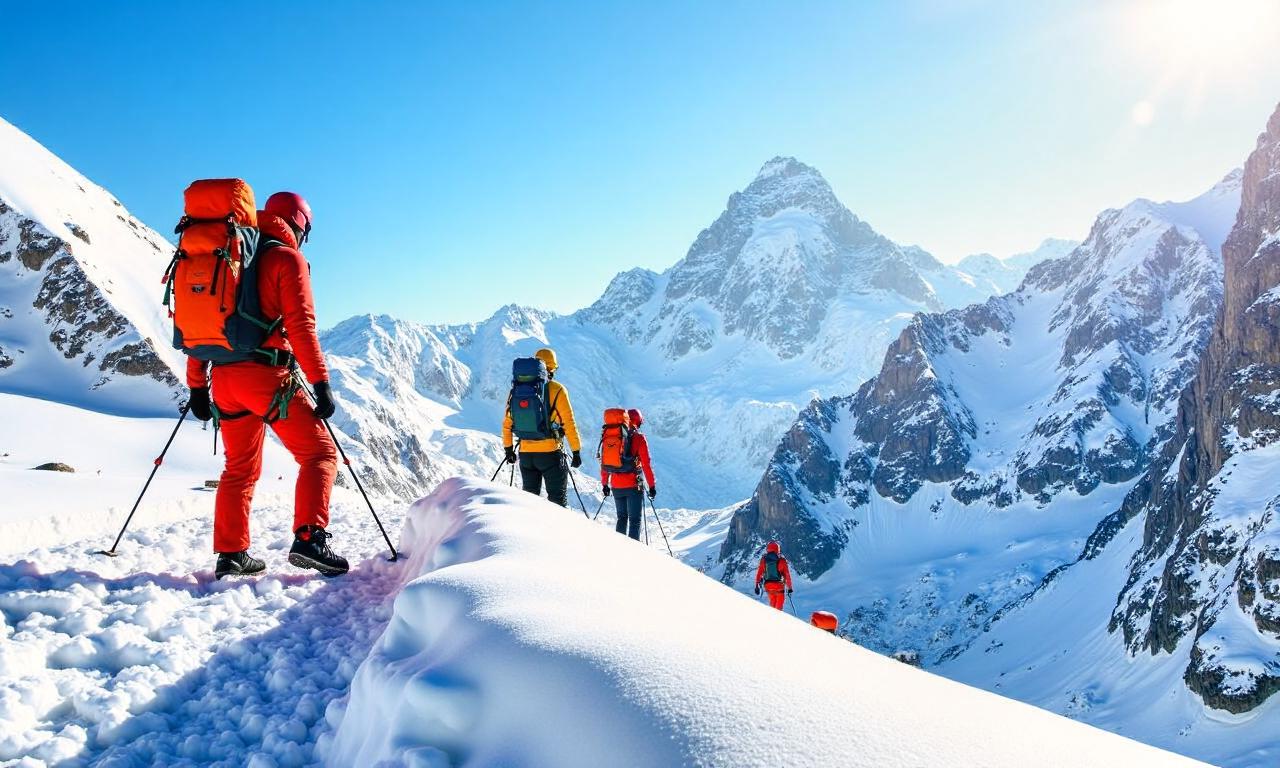
Samael.lol – On Wednesday, an unprecedented 274 climbers reached the summit of Mount Everest from the Nepali side, marking a historic achievement in mountaineering. This surge in activity occurred after a delayed start to this year’s spring climbing season, which was hindered by a significant ice blockage on the traditional route. Despite the challenges, the weather proved favorable, prompting adventurers to attempt the ascent during a window of clear skies and manageable conditions. Khimlal Gautam, a representative of Nepal’s tourism department, confirmed the milestone, stating that the climbs began at 03:00 local time and extended for 11 hours. This feat not only shattered the previous record but also highlighted the enduring allure of the world’s highest peak.
Historic Milestone Surpasses Previous Record
The number of climbers who summited Everest via Nepal on Wednesday far exceeded the previous high of 223, which was set on 22 May 2019. That day, the southern route saw a record-breaking 223 climbers reach the summit, while an additional 113 did so from the northern side in Tibet. However, this season marks a shift, as China has restricted access to the northern route for foreign climbers, a decision that has redirected traffic to the Nepali side. The closure of the Tibetan route has intensified the pressure on the southern path, raising questions about the long-term sustainability of such high-volume climbs.
The climbing season has also brought a new record in terms of permits issued to foreign climbers. Nearly 500 permits have been granted for this year’s ascent, a figure that surpasses the previous decade’s total. Experts warn that this influx could exacerbate overcrowding and increase safety risks, particularly in the “death zone”—the high-altitude region above 8,000 meters where oxygen levels drop dramatically. While many climbers rely on supplemental oxygen to survive, even with it, staying in the death zone for more than 20 hours is considered hazardous. The recent surge in permits underscores a growing trend of commercialization and accessibility in high-altitude mountaineering.
Notable Climbers and Records Set
The record-breaking day on Everest was not just a statistic but a celebration of individual achievements. Among those who reached the summit were veteran mountaineers and first-time climbers, each contributing to the mountain’s storied history. Kami Rita Sherpa, a legendary Nepali guide, added another chapter to his legacy by summiting Everest for the 32nd time on Sunday. At 56 years old, his feat solidifies his status as the most experienced climber on the mountain. Meanwhile, Lhakpa Sherpa, often referred to as the “Mountain Queen,” broke her own record with her 11th ascent, demonstrating the remarkable endurance of female climbers in this demanding environment.
One of the most inspiring stories of the season involved Rustam Nabiev, a 34-year-old Russian climber who conquered Everest without the aid of prosthetics. Nabiev, who lost both legs in a car accident, became a symbol of resilience and determination, proving that physical challenges do not define the limits of human ambition. His achievement was a testament to the adaptability and ingenuity of climbers who face extreme conditions. These stories, while uplifting, also serve as reminders of the risks inherent in the sport. Despite the success, the climbing season has not been without tragedy.
Tragedy Amidst Triumph
While the summit was achieved by a record number of climbers, the season also saw several fatalities, underscoring the perilous nature of Everest’s ascent. One notable loss was Bijay Ghimere, a 35-year-old mountaineer from Nepal’s Hindu Dalit community. Ghimere became the first member of his community to reach Everest’s peak, a milestone that symbolized progress in representation and opportunity. His death, attributed to altitude sickness, highlights the dangers of high-altitude exposure, even for seasoned climbers. Another casualty was Phura Gyaljen Sherpa, a 21-year-old guide who slipped on snow and fell into a crevasse near Camp 3 on Monday. His young age and the circumstances of his accident have sparked discussions about the safety protocols for younger climbers.
On 3 May, 51-year-old Lakpa Dendi Sherpa, a veteran guide, died en route to Base Camp. His passing added to the list of fatalities this year and emphasized the risks of navigating the treacherous terrain. These incidents have prompted a reevaluation of safety measures, with some experts calling for stricter guidelines to manage the growing number of climbers. Despite the dangers, the commercial appeal of Everest remains strong, with permit fees recently increased to $15,000, up from the longstanding $11,000. This fee hike, the first in nearly a decade, has been justified as a means to fund conservation efforts and reduce the environmental impact of climbing activities.
Expert Perspectives on Safety and Congestion
Mountaineering professionals have acknowledged the challenges posed by the rising number of climbers. Lukas Furtenbach of Furtenbach Adventures, an Austria-based expedition company, noted that while congestion is a concern, it can be mitigated with proper planning and resources. “If teams carry enough oxygen, it is not a big problem,” Furtenbach explained to Reuters. He compared the scale of Everest’s traffic to the thousands of climbers that regularly tackle Alpine peaks, suggesting that 274 climbers in a single day is relatively modest given the mountain’s vast size. This perspective has fueled debates about the balance between accessibility and safety in high-altitude climbing.
The “death zone,” a term that captures the extreme conditions at Everest’s summit, has become a focal point for discussions on risk management. Photographs shared on social media this week revealed a long line of climbers navigating this perilous stretch, a visual representation of the challenges they face. The zone, which sits above 8,000 meters, is known for its thin air, sub-zero temperatures, and the psychological toll of prolonged exposure. Climbers often rely on supplemental oxygen to survive, but even with it, the risk of altitude-related illnesses remains high. Experts caution that staying in the death zone for more than 20 hours can lead to irreversible health complications, making time management critical during the ascent.
As the climbing season progresses, the focus remains on both the triumphs and the tragedies that accompany Everest’s summit. The record-breaking day on Wednesday was a testament to human perseverance, but it also served as a stark reminder of the mountain’s unforgiving nature. With nearly 500 foreign climbers granted permits this year, the challenge of maintaining safety while accommodating the growing demand will persist. For many, Everest represents not just a physical conquest but a personal journey, one that is marked by both extraordinary achievements and harrowing risks.
Legacy and Future of Everest Climbing
The significance of this record extends beyond the numbers. It reflects the evolving dynamics of Everest climbing, where commercial expeditions and personal ambitions intersect. The involvement of Nepali guides, who often serve as the backbone of climbing teams, has been crucial in facilitating these journeys. Unlike foreign climbers, who require permits, guides typically work without them, highlighting their essential role in the industry. As the season concludes, the focus will shift to the legacy of those who have reached the summit and the lessons learned from the challenges they faced. Whether it’s breaking personal records or overcoming physical disabilities, each climber’s story adds to the rich tapestry of Everest’s history, ensuring that the mountain remains a symbol of both human achievement and the limits of nature’s power.