Starmer prepares for King’s Speech as he faces leadership crisis
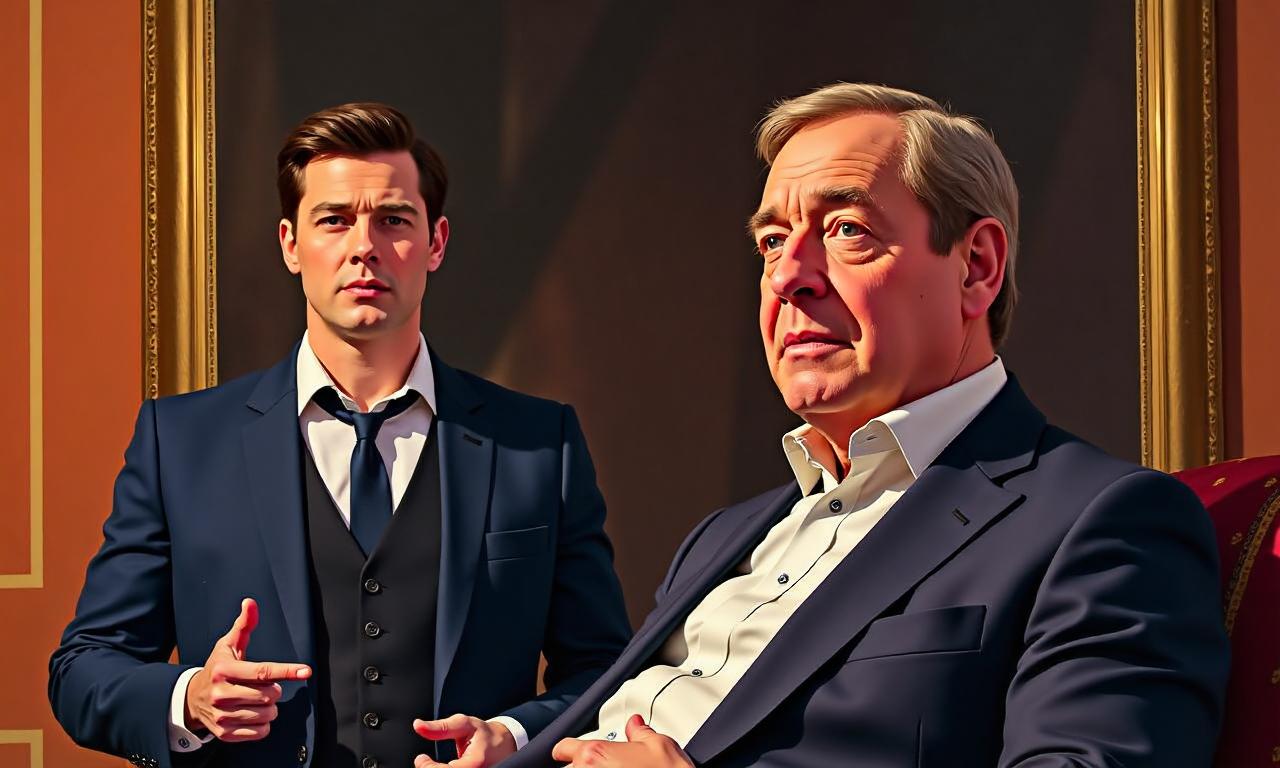
Samael.lol – King Charles III is set to deliver the State Opening of Parliament this morning, a formal event that will present the government’s legislative priorities for the coming year. However, the ceremony carries added weight this time, as Sir Keir Starmer, the Labour Party leader, navigates internal challenges that threaten his grip on power. The King’s Speech is expected to outline over 35 proposed bills and draft legislation, covering key areas such as immigration, healthcare, policing, and potential nationalization of British Steel. Despite this, the success of the agenda hinges on whether Starmer can maintain his position in Downing Street amid growing dissent within his party.
The Ceremonial Significance of the King’s Speech
The annual State Opening of Parliament is steeped in tradition, with the monarch symbolically presenting the nation’s legislative plans. This year’s event, however, will be marked by an unusual dynamic. The Labour Party’s divisions have cast a shadow over the proceedings, prompting speculation about Starmer’s ability to steer the government forward. The King’s Speech will include a range of measures, from reforms aimed at bolstering energy security to proposals for closer ties with the European Union. It will also address leasehold reforms in England and Wales, reflecting the government’s focus on modernizing domestic policies.
Before the speech begins, the royal procession will depart from Buckingham Palace, accompanied by a military escort. This year’s ceremony will see over 1,100 soldiers and nearly 200 horses participating, as reported by the Ministry of Defence in 2024. The procession will culminate at the Sovereign’s Entrance in the House of Lords, where the King will deliver his address. Traditionally, Black Rod—a senior member of the House of Lords—will summon MPs to the chamber by striking the door of the House of Commons three times after it is closed to him. This ritual underscores the autonomy of the Commons from royal authority.
Labour’s Leadership Dilemma
Starmer’s leadership is under pressure following significant electoral losses in last week’s polls. The Labour Party’s internal fractures have led to a lack of consensus on key issues, including the government’s approach to welfare reform. Earlier this year, a first attempt to overhaul welfare policies sparked widespread backlash among Labour MPs, prompting a retreat from the plan. Now, the party faces a second opportunity to reshape the system, but Starmer’s ability to push through this agenda remains uncertain.
“People expect the government to take action and transform our country for the better,” Starmer emphasized in a recent statement. “This means reducing living costs, shortening hospital waiting times, and ensuring national security in an ever-changing global landscape.” His remarks highlight the stakes of the upcoming legislative session, as the nation stands at a crossroads—either advancing toward a more equitable society or retreating into past instability. The King’s Speech serves as a pivotal moment, with the government’s proposals set against the backdrop of internal dissent.
The Conservative Party has unveiled an alternative version of the King’s Speech, offering a vision of policies they believe should be prioritized. Their agenda includes measures to strengthen immigration controls, revamp welfare systems, and promote energy independence through North Sea oil and gas extraction. Kemi Badenoch, the Tory leader, framed this as a “comprehensive legislative plan” aimed at building a “stronger economy and a more resilient country.” One notable proposal involves withdrawing the UK from the European Convention on Human Rights and repealing the Human Rights Act, a move the Conservatives argue will protect public servants from legal challenges.
Tradition and Modernity in the Ceremony
The State Opening of Parliament also features historical rituals that have persisted for centuries. The royal bodyguards, known as the Yeoman of the Guard, will conduct a ceremonial search of the Palace of Westminster’s cellars for explosives, a practice that recalls the Gunpowder Plot of 1605. During this event, an MP will be taken “hostage” in Buckingham Palace, a symbolic act to guarantee the monarch’s safe return. This task is traditionally performed by the vice-chamberlain of the household, a role currently held by Labour MP Sir Nic Dakin.
As MPs gather in the Commons chamber, they will proceed to the House of Lords via Central Lobby. The bar of the House, a railing that marks the boundary visitors cannot cross during sessions, will provide a vantage point for as many as possible to observe the King’s address. Meanwhile, other members of Parliament will remain in the Commons, with some opting to watch the speech on their devices. The debate on the King’s proposals will begin at 14:30 on Wednesday, offering the first chance for MPs to scrutinize Starmer in the Commons since the recent elections.
Throughout the ceremony, the political landscape will be in flux. A long-serving MP and a newer figure in Parliament will deliver opening speeches, followed by Badenoch, who will take the floor before Starmer. This sequence reflects the shifting balance of power, as the Conservatives seek to assert their influence. The King’s Speech will not only outline the government’s plans but also serve as a test of Starmer’s ability to unite his party and navigate the challenges ahead. Whether the Labour leader can capitalize on this moment to solidify his position or succumb to further fragmentation remains to be seen.