Teen Suspects Fatally Shoot Three in San Diego Mosque Hate Crime
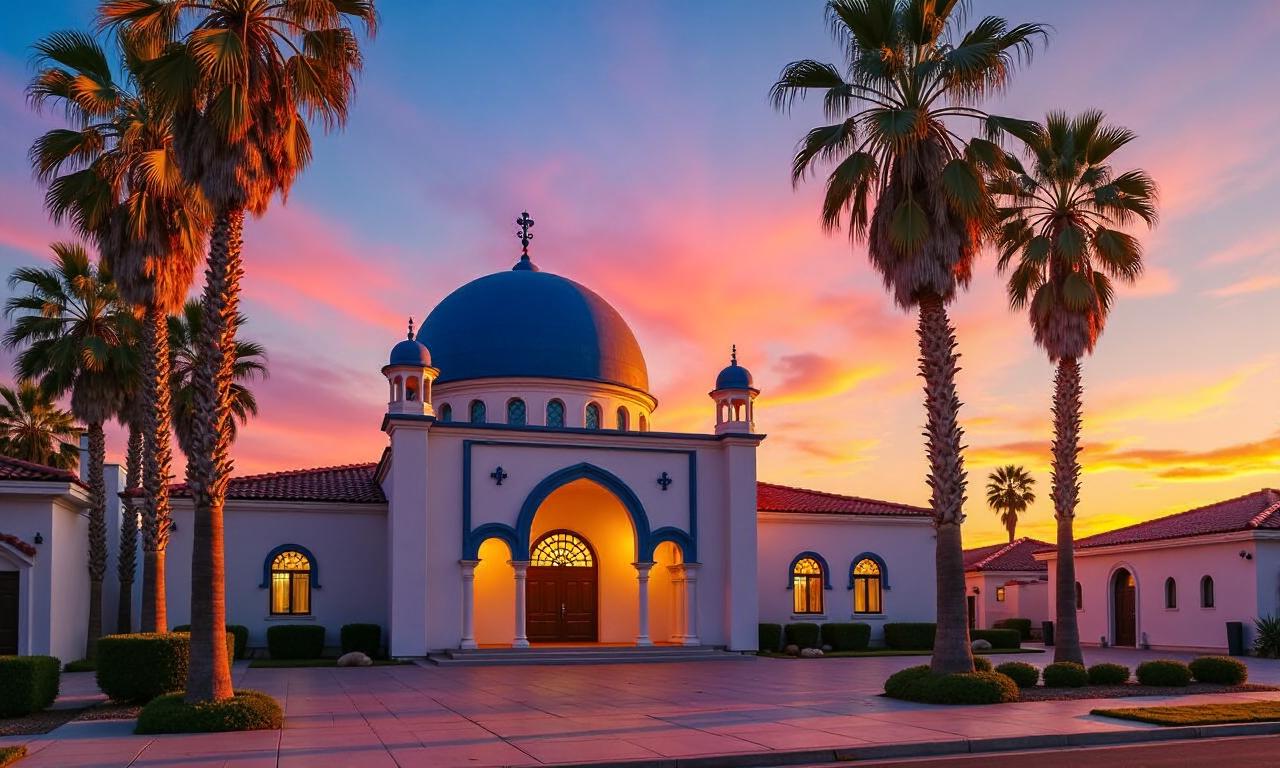
Samael.lol – Two teenage suspects, later confirmed dead by self-inflicted gunshots, opened fire at the Islamic Center of San Diego on Monday, killing three individuals in what authorities are investigating as a hate crime. The incident occurred just hours after the mother of one suspect had alerted police to her son’s disappearance with a friend, raising concerns about the potential for targeted violence. The mosque, a key religious hub in the community, became the scene of the attack, though the specific motive remains under examination.
Shooting Details and Initial Response
The attack took place around 11:43 a.m. local time, with police arriving at the mosque to find three victims wounded by gunfire outside its entrance. No law enforcement officers were harmed during the first encounter, and no gunman was immediately visible. A second report shortly after revealed that the suspects had fired from a vehicle at a landscaper, who survived without injuries, though the bullet deflection from his hard hat is still being analyzed.
Teen suspects fatally shoot three in a coordinated assault, with the attackers, aged 17 and 18, reportedly fleeing the home of a family member before the incident. The note left behind by the suspects contained broad hate-related statements, according to San Diego Police Chief Scott Wahl, but no explicit target was specified beyond the mosque. The location’s significance as a place of worship has led investigators to consider the attack a potential hate crime.
Security Guard’s Critical Role
“The security guard’s actions were crucial in preventing the attack from worsening,” said San Diego Police Chief Scott Wahl. “He effectively stopped the shooters, potentially saving lives.”
The victim included a security guard stationed at the Islamic Center, who intervened decisively to halt the assailants. His swift response, such as blocking their path, is credited with reducing the casualties. The guard, who is also a father of eight, was identified as one of the deceased by a family member. Police had been searching for the teenagers when the first shooting began, having received an earlier report about the son’s absence.
Investigative Focus and Motive
Although the mother had mentioned her son’s possible intent to take his own life, the behavior of the suspects during the attack contradicted that assumption. Officers found the teenagers’ vehicle nearby, confirming their deaths. The FBI has joined the investigation to explore connections to broader hate motives. A witness reported hearing up to 30 gunshots, with the possibility of a semi-automatic weapon being used, which adds to the intensity of the event.
Teen suspects fatally shoot three in a series of targeted attacks, with the mosque’s location playing a key role in the investigation. The note left at the scene, which included generalized hate rhetoric, supports the idea of prejudice-driven violence. While the exact cause is still being determined, the incident has deeply affected the local community, which is now reflecting on the importance of religious spaces.
Community Impact and Ongoing Response
The shooting occurred during Eid al-Adha, a time of celebration and communal gathering for Muslims in San Diego. Aerial footage captured students in the Al Rashid School being evacuated as police secured the area, highlighting the trauma experienced by the community. The mosque, a central institution, now stands as a symbol of both unity and vulnerability, with officials emphasizing the need for vigilance and support.
Following the tragedy, nearby schools were placed on lockdown to ensure student safety. California Governor Gavin Newsom condemned the attack, calling it a devastating loss for a place where families and neighbors come together in peace. The incident has sparked renewed discussions about hate crimes and the importance of protecting religious and cultural spaces in the region.