The Kabul Rehab Centre Survived a Deadly Pakistani Strike
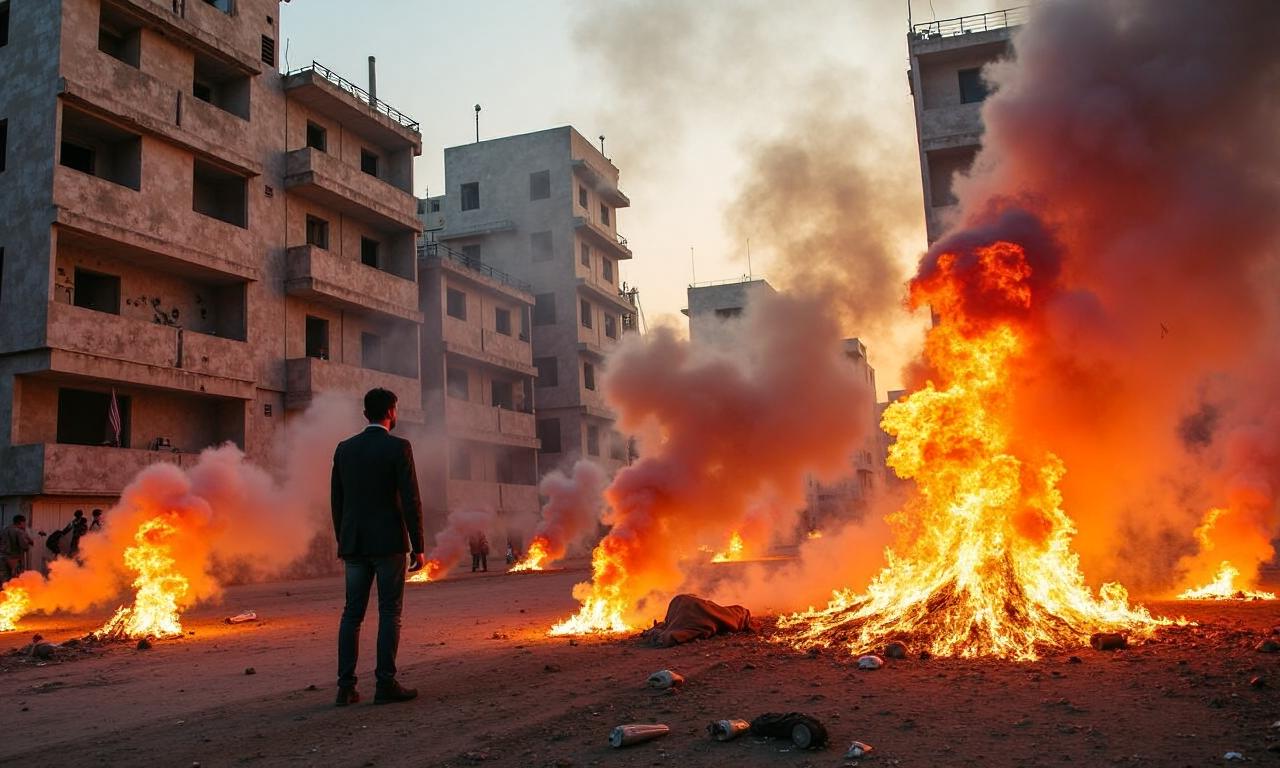
Samael.lol – On 16 March 2026, a Pakistani airstrike targeted the Omid Drug Rehabilitation Hospital in Kabul, Afghanistan, resulting in at least 269 deaths. Pakistan’s statement to the BBC asserted the attack was intended to destroy “military and terrorist infrastructure.” However, the UN, which gained access to the site, and the BBC’s Afghan service teams, who were present in the aftermath, confirmed that the strike primarily hit civilians receiving treatment. Families of over 30 victims, including recovering addicts and staff members, disputed Pakistan’s claims, emphasizing the tragic toll on everyday people.
A Controversial Justification
Pakistan’s military action was framed as a strategic move to weaken militant networks, but survivors and witnesses argue the targeting was imprecise. The BBC reported that families of the victims, many of whom were in the process of rehabilitation, expressed frustration with the government’s decision. One relative stated,
“They said it was a military target, but my brother was just trying to get better. He was in a room with his children when the explosion hit.”
This sentiment was echoed by multiple survivors, who pointed to the absence of clear warnings before the strike.
Civilian Casualties Confirmed
Independent verification of the strike’s impact came from both the UN and the BBC. The international body noted that the hospital’s location and the timing of the attack made civilian casualties inevitable. Meanwhile, the BBC’s on-the-ground teams documented the chaos, including the collapse of building sections and the aftermath of bodies scattered across the grounds. The hospital, which had been operating for years, was a critical resource for Afghanistan’s drug recovery efforts, with hundreds of patients receiving care daily.
Global Events Amid the Crisis
While the Kabul strike dominated headlines, other significant events unfolded worldwide. In Japan, Prime Minister Fumio Kishida pushed for amendments to the nation’s pacifist constitution, sparking debate over the country’s military role. Analysts questioned the move, suggesting it could shift Japan’s stance on defense while boosting its economic ties with regional powers. Meanwhile, in South Korea, K-pop group BTS began their global tour in Seoul, marking a return to live performances after nearly four years of absence. The tour, dubbed the “Arirang” era, drew massive crowds and reinforced the group’s status as cultural ambassadors.
Unexpected Tragedies and Unusual Incidents
A different kind of event unfolded in Bogor, West Java, where a glamping facility was reduced to rubble by a flood. The disaster displaced dozens and left local communities scrambling for shelter. In a separate incident, a two-year-old wolf named Neukgu escaped from a zoo in Daejon, capturing public attention and prompting wildlife officials to launch a search. Meanwhile, in the Philippines, President Ferdinand Marcos Jr. invited critics to join him in the gym, a bold move to showcase his fitness and challenge perceptions of his leadership.
Technological Advances and Human Interest
Technology also made headlines. In Beijing, robots competed in a half marathon, with one machine outpacing human runners by a significant margin. The event, organized to highlight advancements in AI, drew mixed reactions from spectators. Some praised the innovation, while others questioned the relevance of such competitions in a world still grappling with basic needs. On the other hand, a heart attack claimed the life of singer Asha Bhosle in Mumbai, marking the end of a legendary career that spanned decades.
Political and Economic Shifts
Amid the turmoil, China positioned itself as a key player in global markets. The BBC’s Laura Bicker examined the country’s stricter drone regulations, citing public safety as the primary reason. These rules, which limit the use of drones near critical infrastructure, reflect growing concerns over security in an increasingly connected world. At the same time, China’s rapid adoption of electric vehicles is reshaping the automotive industry, with analysts noting its potential to outpace traditional oil-based economies in the long run.
Impact of Regional Conflicts
The ongoing US-Iran conflict has sent shockwaves through global energy markets, driving up fuel prices and forcing nations to reassess their supply chains. This has created opportunities for countries like China, which is expanding its electric vehicle production. The BBC also reported on a train accident in Bekasi, where a collision with the female-only carriage claimed at least 15 lives, highlighting the dangers of overcrowded transportation systems.
Displacement and Diversions
Back in Southeast Asia, a fire in Malaysia’s Sabah state destroyed approximately 1,000 homes, displacing thousands. The disaster underscored the vulnerability of communities to natural and man-made causes. In a related development, the BBC’s Suranajana Tewari explored the effects of the Iran war on fuel shortages in Myanmar, where drivers faced long waits at petrol stations. The crisis has also strained the country’s economy, with some analysts warning of long-term repercussions.
Personal Stories and Public Reactions
The strike’s aftermath also brought personal stories to light. Wu Yize, a 22-year-old athlete, made headlines with a chaotic reception at his first public appearance since winning a world title. Fans flooded the venue, creating a scene of both celebration and tension. Meanwhile, the BBC highlighted the growing influence of North Korea’s leader, Kim Jong Un, noting that his daughter is being groomed for political succession. Observers suggested her public appearances are part of a calculated effort to prepare her for leadership roles.
A New Era in Leadership
Min Aung Hlaing, Myanmar’s former military chief, presided over his final parade before transitioning to the presidency. The event symbolized a shift in the country’s governance, though concerns about military influence lingered. As the nation grapples with this transition, economic pressures continue to mount, with reports indicating that the war has altered trade dynamics and energy dependencies. Analysts warn that while China may benefit from its electric vehicle initiatives, the global market remains volatile.
Legacy and Future Prospects
The Kabul strike has left a lasting mark on Afghanistan’s efforts to combat addiction. Omid Hospital, once a beacon of hope, now stands as a symbol of the risks faced by those in recovery. As the world turns its attention to other crises, the question remains: how will this tragedy shape future policies and public trust in military operations? For now, the families of the victims continue to seek answers, while the international community watches the unfolding narrative with growing concern.