Three Killed in Uganda After Vehicle Crashes into Elephant
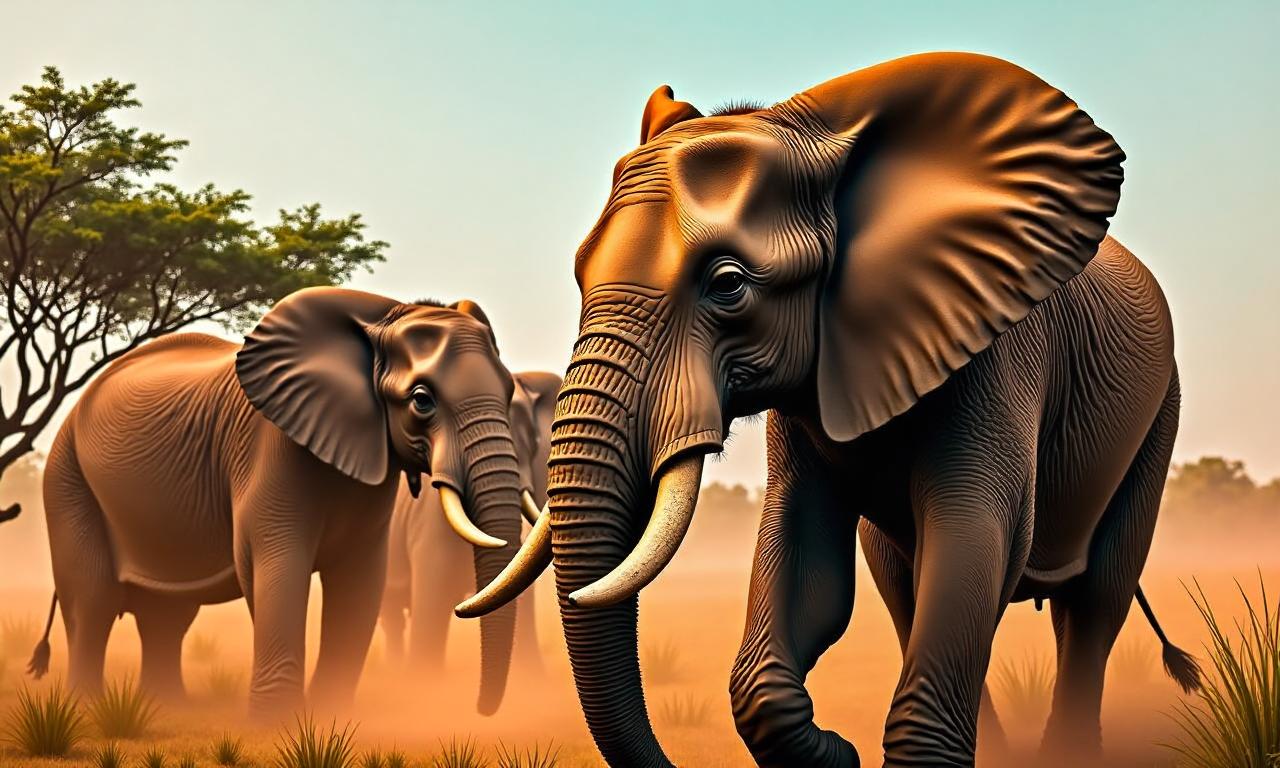
Samael.lol – Uganda’s national park system witnessed a tragic incident on Sunday evening, when a vehicle collided with an elephant, resulting in the deaths of at least three individuals. According to official reports, the collision occurred within Murchison Falls National Park, located in the northwest region of the country. The vehicle, which was transporting seven officials from the Uganda Revenue Authority (URA), was involved in the accident, though the exact circumstances remain under investigation.
The police force confirmed that, in addition to the three fatalities, four others were seriously injured in the collision. These casualties were swiftly transported to a nearby hospital for immediate medical attention before being moved to the capital, Kampala, for further treatment. The incident has sparked discussions about the increasing frequency of wildlife-related accidents in Uganda, particularly as urban expansion continues to encroach upon natural habitats.
Officials highlighted that such collisions are not uncommon in the region, emphasizing the growing challenges faced by both drivers and animals in shared spaces. Murchison Falls National Park, renowned for its vast savannahs and the iconic Nile River, serves as a critical habitat for numerous species, including elephants. The park’s ecosystem, however, is under pressure due to expanding human populations and infrastructure development.
The accident occurred as the vehicle was en route from Arua city back to Kampala, a journey that traverses some of Uganda’s most scenic and ecologically rich areas. The Uganda Police Force, through their X account, provided updates on the incident, noting that the road conditions and the time of day may have contributed to the crash. Despite the vehicle’s speed, witnesses reported that the elephant appeared to be crossing the road unexpectedly, raising questions about the driver’s ability to react in time.
Authorities have not yet disclosed the condition of the elephant involved in the collision, leaving its survival status uncertain. The URA, which plays a pivotal role in managing the country’s revenue and economic policies, faces an additional challenge in ensuring the safety of its staff during travel in these remote regions. This incident underscores the vulnerability of transportation infrastructure in areas where human and wildlife activity frequently intersect.
The Uganda Wildlife Authority (UWA) has since issued a cautionary statement, urging drivers to remain vigilant when navigating through protected areas. In a
issued via their official channels, the authority emphasized: “Motorists are encouraged to exercise caution when traveling through protected areas, as wild animals frequently cross roads.” The UWA’s message comes as a reminder of the delicate balance between conservation efforts and the daily lives of local communities.
Experts suggest that the rise in wildlife-vehicle collisions is a direct consequence of habitat fragmentation and the encroachment of human settlements into previously untouched zones. As roads are constructed to connect remote regions, the likelihood of such encounters increases. The Murchison Falls National Park, in particular, has seen a surge in traffic due to its proximity to Arua and the economic opportunities it offers to nearby towns.
The incident has prompted calls for improved road signage and wildlife corridors to mitigate future collisions. Conservationists argue that such measures could significantly reduce the risk of accidents while allowing animals to move freely between habitats. The UWA has also recommended the installation of barriers and the use of reflective markers along frequently traveled routes to enhance visibility during nighttime driving.
Local residents, who rely on these roads for transportation and trade, have expressed concerns about the safety of their daily commutes. Many have reported a noticeable increase in wildlife sightings near the park’s boundaries, attributing this to the animals’ displacement due to habitat loss. The recent collision serves as a stark example of the dangers faced by both humans and elephants in these shared environments.
As investigations into the incident continue, officials are reviewing the safety protocols in place for vehicles operating in national parks. The URA’s staff, who are accustomed to navigating the country’s diverse landscapes, now find themselves in a precarious situation. The tragedy has also prompted a broader conversation about the need for enhanced training and awareness programs for drivers in wildlife-prone areas.
Environmental organizations have pointed to the importance of community engagement in conservation efforts. They highlight that local participation is essential for the success of initiatives aimed at reducing human-wildlife conflict. The UWA has pledged to collaborate with nearby communities to develop strategies that benefit both people and animals, such as sustainable land-use practices and increased monitoring of animal movements.
The incident has garnered attention from local media and international wildlife groups, with many calling for urgent action to prevent similar tragedies. The URA’s officials are now advocating for a review of travel routes and the implementation of stricter speed limits in areas where wildlife is known to frequent. This proactive approach could help safeguard both human lives and the natural heritage of Uganda’s parks.
In addition to the immediate impact of the collision, the event has raised awareness about the broader implications of wildlife conservation in Uganda. The country’s national parks are not only vital for biodiversity but also serve as economic assets, drawing tourists and supporting local economies. Ensuring the safety of these ecosystems while accommodating human needs remains a critical challenge for policymakers and conservationists alike.
As the aftermath of the crash unfolds, the focus shifts to lessons learned and steps forward. The UWA and URA are working together to analyze the incident and implement preventative measures. The tragedy has also highlighted the emotional toll on families and communities affected by such events, with many mourning the loss of lives while also recognizing the importance of preserving Uganda’s natural environment for future generations.