Teen Motorbike Thieves Bragging on TikTok Spark Frustration
Investigation Reveals Teens Mocking Victims on Social Media
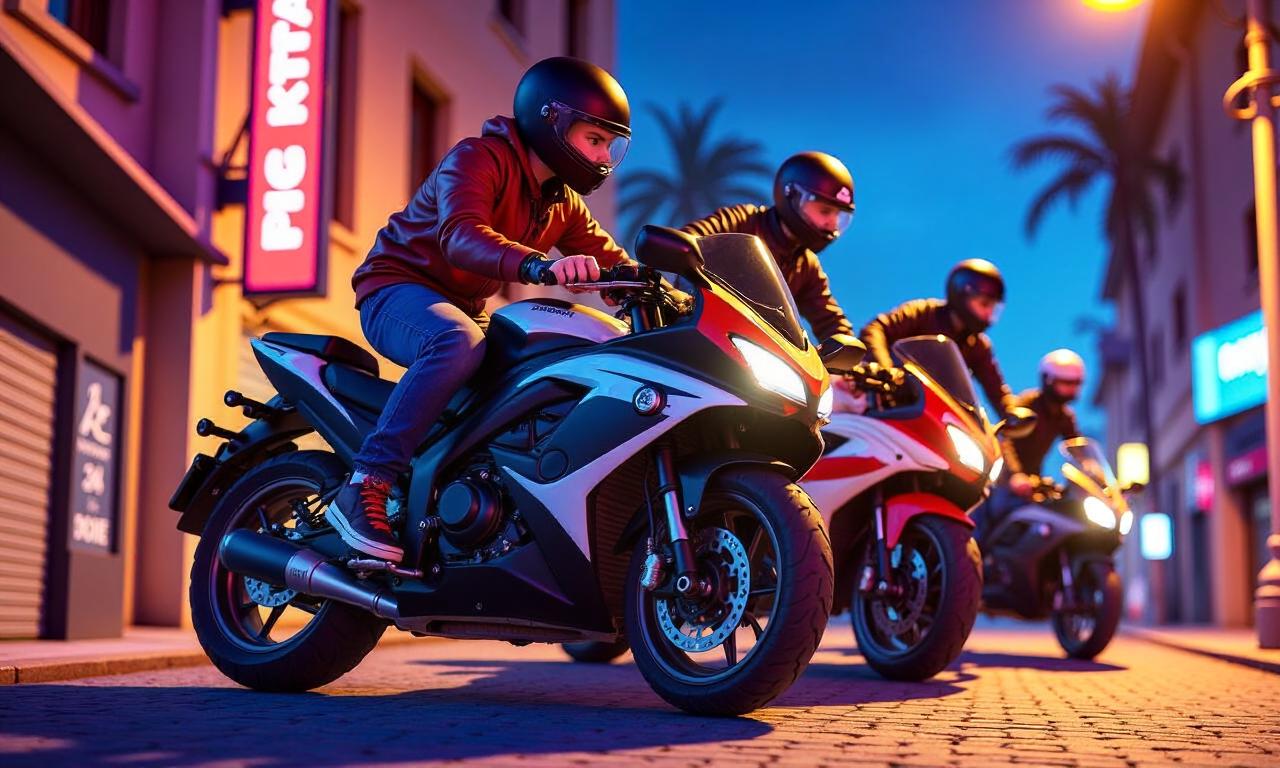
Samael.lol – A BBC investigation has uncovered a troubling trend of young people in Great Britain using TikTok to showcase their stolen motorbikes, often alongside taunts toward their victims. Hundreds of videos feature teenagers proudly displaying bikes they’ve taken, while some even use the platform to sell the stolen property. These posts, which range from playful displays to outright ridicule, have sparked outrage among affected families and law enforcement officials.
One victim, Richard Thompson, shared his experience of seeing his wife’s moped, a cherished possession, paraded online as a trophy. “How much more proof do you need?” he asked, describing the video as “disgusting.” Thompson, who reported the theft to Humberside Police, used social media to track the stolen bike. He was told about possible sightings and given the names of suspects, including a parent who confirmed their son appeared in the footage. Despite this, Thompson felt let down by the police’s response, which he described as inadequate.
“Wow, I’d expect you to do your job,” Thompson said, expressing frustration over the lack of action. The police explained they could not pursue the teenagers due to the risk of injury if they fell off the bike. This response left Thompson questioning how seriously the thefts were being taken.
Statistics Highlight Youth Involvement in Motorbike Crime
According to official figures, over 9,500 motorbike thefts were recorded in the UK last year. Of these, more than half of the suspects were under 18. In contrast, only 8% of arrests for all crimes in England and Wales involved minors. This stark discrepancy raises concerns about how young offenders are being treated within the justice system.
Dr. Ken German, a crime expert with the UK’s Motorcycle Crime Reduction Group, described the thefts as “a game” among teenagers. “They want to do it in the quickest time, they want to wave and take pictures of themselves,” he explained. “It’s why they’re on TikTok. They know they can make a few hundred pounds, but it’s all about competing with each other.” German emphasized that the motivation is less about financial gain and more about social validation, with teens treating the act as a form of entertainment.
The BBC’s analysis of TikTok content revealed that many videos are accompanied by hashtags celebrating theft. Some thieves hide their faces with balaclavas or emojis, while others demonstrate techniques like hot-wiring. These clips not only highlight the brazen nature of the crime but also its widespread appeal among young people. One video, which the BBC has not named, openly mocked a victim who pleaded for help to recover their stolen bike.
Police Response and Platform Accountability
Despite TikTok’s efforts to remove some accounts for violating rules, the BBC found hundreds of videos still live on the platform. This has led to calls for stricter enforcement. Richard Thompson, for instance, urged authorities to ban the accounts, arguing that they provide an unfair advantage to thieves.
When the BBC requested information from 45 UK police forces, 31 responded with data on motorbike thefts. The results showed that 53% of suspects were under 18, a significantly higher proportion than in other crimes. However, police admitted they had only recorded ages for 1,812 suspects, leaving many cases without clear details. This lack of information complicates investigations, as officers often rely on social media to identify culprits.
One example of this occurred in Grimsby, where thieves targeted Sam Gibb’s home in September 2025. Two motorcycles were stolen, and a third was attempted. The stolen bike, which belonged to Gibb’s son, was worth over £6,000. “His whole life is that bike,” said a family member, highlighting the emotional toll of the crime. The BBC is now working to trace the bikes and hold the perpetrators accountable.
Vigilante Actions and Community Concerns
Kenny Wilson, founder of the Bikers against Bike Theft UK campaign, noted that frustrations among bike owners are mounting. “The police are doing their part, but the community is feeling ignored,” he said. Wilson warned that some people might take matters into their own hands, citing a recent incident where a man reportedly suffered severe hand injuries after thieves left stolen bikes in his backyard.
The BBC learned that an 18-year-old man in North Yorkshire had to receive hospital treatment for hand wounds following a confrontation with suspected thieves. Two men were arrested on suspicion of assault, underscoring the potential for these crimes to escalate beyond theft. Wilson added that while he encourages owners to avoid vigilantism, he fears it’s only a matter of time before someone “snaps and says enough’s enough.”
The thefts on TikTok have become a symbol of a broader issue: the growing influence of social media on criminal behavior. The platform’s culture of instant gratification and public recognition seems to encourage teens to view theft as a competitive sport. This mindset is compounded by the perception that police are unable or unwilling to intervene effectively.
Impact on Victims and Call for Change
For victims like Thompson, the sight of their stolen bikes being shared online is more than just a financial loss—it’s a personal humiliation. “They feel untouchable,” he said, referring to the teenagers who have turned the act into a game. The BBC’s findings suggest that the online presence of these thefts is not only a way to showcase their success but also a means of drawing attention to their exploits.
As the trend continues, experts and victims alike are urging a multifaceted approach. This includes stricter monitoring of social media accounts by police, better identification of suspects, and increased awareness campaigns targeting young people. “These videos are a window into their mindset,” said German. “If we can understand what motivates them, we can find ways to stop it before it escalates.”
The case of Thompson’s stolen moped, which was taken by three masked youths in October 2025, serves as a microcosm of the larger problem. While the police closed his report quickly, the emotional and psychological impact on the victim remains. The incident has also highlighted the challenges of proving theft when the perpetrators remain anonymous and their actions are amplified by digital platforms.
With the rise of TikTok as a hub for such crimes, there is a growing need for collaboration between law enforcement and social media companies. Thompson’s experience underscores the urgency of this issue, as he and others struggle to balance the visibility of the crime with the difficulty of catching the offenders. “If we can’t chase them on the bike, what else can we do?” he asked, reflecting the frustration that has become widespread among victims and advocates alike.