Watch: Protesters and Riot Police Clash Near Home of Nowak’s Killer
Samael.lol – On Tuesday evening, a heated confrontation erupted in Southampton as demonstrators and riot police engaged in a tense standoff near the residence of Vickrum Digwa, the man accused of murdering 18-year-old Henry Nowak. The incident, which unfolded in the late afternoon, drew significant attention due to its proximity to the killer’s family home, intensifying the emotional stakes for those involved.
Incident Overview
The altercation began with a gathering of hundreds of people outside Southampton Central Police Station, where they had initially assembled to voice their anger over the December murder of Henry Nowak. Nowak, a student, was fatally stabbed while returning to his accommodation in the city last year, sparking outrage among locals and activists. The protest, which initially appeared peaceful, quickly turned chaotic as tensions rose and the crowd marched toward Digwa’s residence.
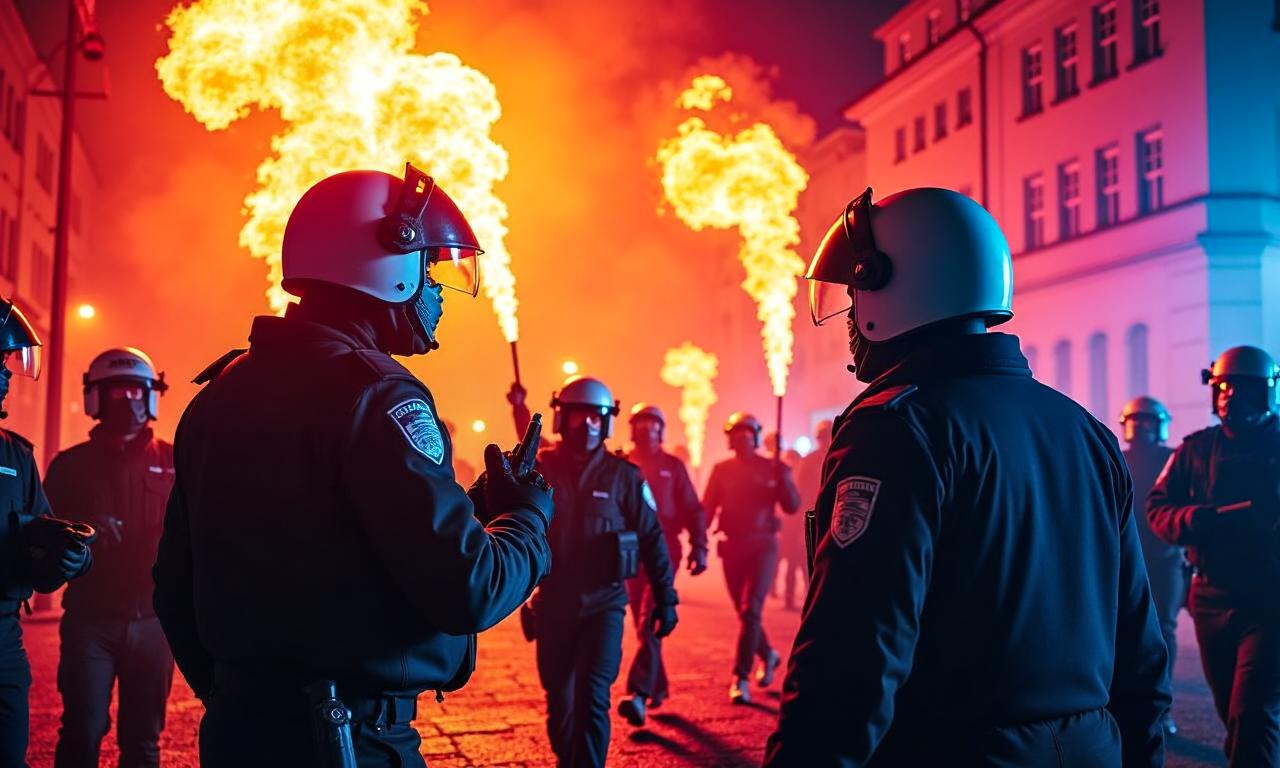
The demonstrators, some carrying banners and others chanting slogans, expressed their frustration with the judicial process and the perceived leniency toward the accused. As the group neared the home of Digwa, a family member of the suspect, the situation escalated. Riot police, deployed to restore order, used batons and tear gas to disperse the crowd, leading to a physical clash.
Protest Dynamics
According to the BBC’s Peter Cooke, who was on-site during the protest, the confrontation was marked by a surge of aggression from the demonstrators. “Items such as bins, bricks, and an e-scooter were hurled at police,” Cooke reported, highlighting the spontaneous nature of the violence. The police, in turn, responded with pepper spray and shields, creating a standoff that drew onlookers and media attention.
The protest route had been carefully planned, with participants moving from the police station to the Digwa home as a symbolic act of defiance. The location of the home, situated in a residential area, added a personal dimension to the demonstration. Witnesses described the scene as chaotic, with shouts of protest echoing through the streets and smoke rising from the use of tear gas. The clash lasted for over an hour, with both sides claiming to be protecting their rights.
Background on the Murder
Henry Nowak’s murder in December last year had already stirred public debate, with many questioning the speed of the legal proceedings against Digwa. The accused, who was identified as a local resident, had been charged with murder following a trial that concluded earlier this year. The verdict, which found him guilty, did not prevent the recent wave of protests, as activists argued that the punishment was insufficient to reflect the gravity of the crime.
Nowak’s death, which occurred during a routine walk home, was described by his family as a tragic loss that left the community in shock. His mother, who has been a vocal advocate for justice, emphasized the importance of the protest in holding those responsible accountable. “Henry was just a student, and his murder changed everything for our family,” she said in a statement to local media. The demonstration became a platform for expressing grief, anger, and a demand for transparency in the justice system.
Police Response and Public Reaction
The Southampton Metropolitan Police issued a statement following the clash, confirming that officers had taken necessary measures to protect themselves and maintain public safety. They cited the use of non-lethal force and the clearing of the area to prevent further escalation. However, some community members criticized the response, arguing that it was excessive and suppressed free speech.
Protesters, meanwhile, maintained that the police had provoked the violence by surrounding the Digwa home without warning. “We were just trying to show our support for Henry’s family, but the police treated us like enemies,” said a participant who wished to remain anonymous. The demonstration also highlighted broader concerns about racial inequality and the treatment of victims in the criminal justice system, with many participants linking Nowak’s case to similar incidents in the city.
Footage from the scene, captured by the BBC and shared on social media, showed a flurry of activity as demonstrators and officers moved in opposite directions. The video highlighted the use of barricades and the deployment of riot vehicles to manage the crowd. Despite the intensity of the clash, no injuries were reported among the police, though several protesters were seen limping away from the confrontation.
Community and Media Impact
The protest drew widespread media coverage, with news outlets highlighting the emotional intensity of the event. Social media platforms were flooded with posts from attendees, some of whom shared personal stories about Nowak and his impact on the community. A hashtag, #JusticeForHenry, gained traction, with users calling for stricter penalties for Digwa and better community policing.
Local officials expressed concern over the unrest, urging calm and emphasizing the importance of dialogue. “We understand the frustration, but we need to ensure that the streets remain safe for all,” said a statement from the city council. Meanwhile, the police defended their actions, stating that the use of force was proportionate given the circumstances.
The incident has reignited discussions about the role of police in managing public demonstrations and the balance between security and civil liberties. Some experts argue that the proximity of the protest to the killer’s home amplified the emotional intensity, making it harder to contain. Others see it as a necessary step to bring attention to the case and pressure the authorities to take further action.
Aftermath and Ongoing Issues
As the dust settled on Tuesday evening, the community remained divided. While some praised the demonstrators for their courage, others worried about the potential for more violence. The police station was left with minor damage, and a few bins were overturned during the clash. The Digwa home, though not physically harmed, became a focal point of the protest, with residents expressing mixed feelings about the attention it received.
The BBC’s Peter Cooke, who documented the event, noted that the protesters were determined to make their voices heard. “This was more than just a demonstration; it was a moment of collective anger and a demand for justice,” he said in a post-event analysis. The footage from the protest has since been used in various discussions, with critics and supporters using it to argue their points about the event’s significance.
Henry Nowak’s case continues to be a point of contention, with his family planning to file a further appeal against the sentencing. The ongoing legal battle has kept the issue in the public eye, and the recent protest underscores the deep-seated emotions surrounding the tragedy. As the community grapples with the aftermath, the question of how to achieve justice remains at the forefront of the conversation.
The event serves as a reminder of the power of grassroots movements in shaping public opinion and influencing legal outcomes. While the immediate clash may have subsided, the voices of the protesters echo through the city, fueling debates about accountability, justice, and the role of the police in society. For Nowak’s family and friends, the demonstration was a cathartic moment, a step toward healing and ensuring that his story is not forgotten.