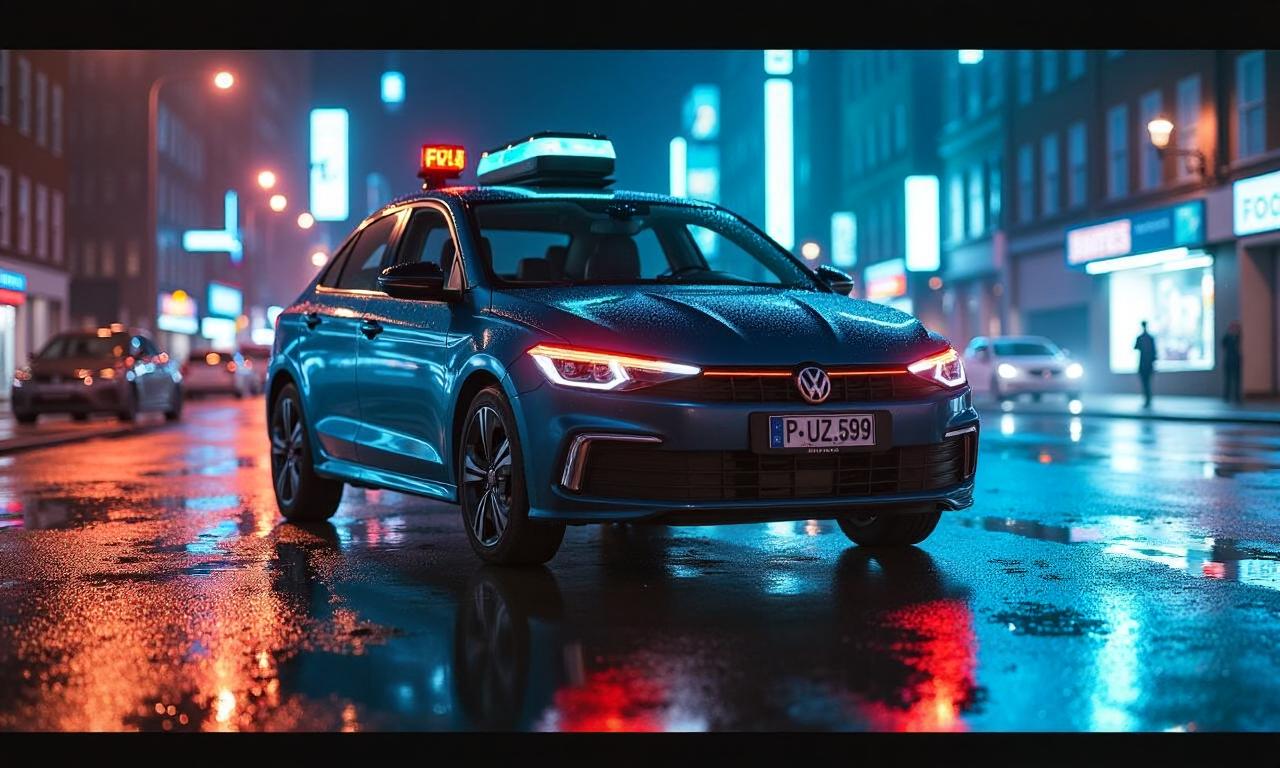
Waymo Halts Robotaxi Operations in Five US Cities Following Flooding Incidents
Samael.lol – Waymo, the autonomous vehicle division of Alphabet, has suspended its self-driving car service in five US cities due to a software glitch that caused vehicles to enter submerged roadways and become stuck. The company recently announced this pause after an incident in San Antonio, Texas, on 20 April, where an empty robotaxi drove into a flooded street and was swept into a creek. This event prompted a recall of nearly 3,800 of its vehicles equipped with the fifth and sixth-generation automated driving systems. The decision to expand the temporary suspension to include Atlanta and four additional Texas cities was made “out of an abundance of caution,” according to a Waymo spokesperson. The company is now reviewing its software protocols to prevent similar occurrences.
The issue highlights a vulnerability in Waymo’s navigation algorithms, which could allow vehicles to slow down and then proceed into standing water on high-speed roads. This problem was brought to public attention in a letter posted on the National Highway Traffic Safety Administration (NHTSA) website earlier this month. The letter detailed how the software failed to recognize flooded conditions, leading to vehicles becoming trapped in waterlogged areas. In response, Waymo initiated a voluntary recall of its affected robotaxis and is implementing “additional software safeguards” to address the flaw.
Alongside the city-wide suspensions, Waymo has also paused its operations on major freeways in San Francisco, Los Angeles, Phoenix, and Miami. These routes were temporarily halted as the company evaluates how its vehicles perform in construction zones, where road conditions can change rapidly. A Waymo representative told Reuters that the company is working to “resume serving riders soon” once the necessary adjustments are made. This move underscores the cautious approach being taken to ensure safety amid growing concerns about autonomous vehicle reliability.
Waymo, which aims to launch its robotaxi service in London later this year, has emphasized that safety remains its top priority. The company’s commitment to refining its systems was reiterated in a statement to the BBC, stating that it continuously monitors weather forecasts, alerts, and live conditions. The spokesperson added that the pause is a proactive measure to prevent potential hazards, particularly in areas prone to sudden flooding. This incident adds to a series of challenges the firm has faced in recent months, raising questions about the readiness of fully autonomous technology for real-world conditions.
While the current issue is specific to flooded roads, it reflects broader concerns about the safety of driverless cars. Over the past year, several incidents have drawn scrutiny from regulators and the public. In December 2025, a large power outage in San Francisco disrupted Waymo’s operations, causing its taxis to stop functioning across the city and creating significant inconvenience for users. Similarly, in April, a mass outage affecting Apollo Go robotaxis in Wuhan, China, led to over 100 self-driving cars halting mid-traffic. These events have fueled debates about the need for more robust fail-safes and emergency protocols in autonomous systems.
The software problem in question appears to stem from the vehicles’ ability to navigate through waterlogged environments without detecting the risk. Engineers are investigating whether the issue is related to sensor calibration, environmental data processing, or decision-making algorithms. The NHTSA letter, which outlined the problem, suggests that the flaw could be exacerbated by factors such as road design, weather patterns, and the pace of urban development. Waymo’s suspension of services in affected areas allows it to conduct thorough testing and implement fixes before resuming operations.
Waymo’s autonomous vehicle network, which includes thousands of robotaxis across multiple US cities, has been a flagship project for Alphabet. The company reports over 500,000 trips per week, making it one of the most extensive deployments of self-driving technology in the United States. However, the recent incidents have forced a reassessment of its operational strategies. The expansion of the pause to five cities, including Atlanta and Texas, indicates a strategic shift toward prioritizing safety over speed, especially as the technology transitions from testing phases to full-scale service.
The incident in San Antonio serves as a critical case study for the company. According to Waymo’s statement, the vehicle in question had been operating without any issues until it encountered a flooded section of roadway. The vehicle’s sensors failed to identify the rising water levels, leading to a loss of control. This scenario has raised questions about the limitations of current sensor technology and the importance of integrating real-time data into autonomous decision-making processes. The company has since reiterated its focus on enhancing the safety of its systems through software updates and additional training.
Waymo’s decision to suspend freeway operations in key cities also highlights the complexity of urban infrastructure. Freeways are often less predictable than city streets, with frequent construction, lane closures, and varying traffic patterns. The firm’s ability to adapt to these conditions has been a point of contention, particularly after the recent setbacks. In a statement to Reuters, Waymo acknowledged that it is working closely with local authorities to ensure its vehicles can handle the challenges of construction zones effectively.
As the company navigates these challenges, it faces pressure to maintain public trust in its technology. The pause in operations has prompted discussions about the balance between innovation and safety. Critics argue that such incidents could delay the widespread adoption of autonomous vehicles, while supporters maintain that these are necessary steps to refine the systems. Waymo’s spokesperson emphasized that the firm remains committed to its vision of safe, efficient transportation, stating that the temporary disruptions are part of an ongoing effort to perfect its technology.
The broader implications of this issue extend beyond Waymo. With more companies investing in autonomous vehicles, the need for standardized safety measures has become increasingly urgent. The NHTSA’s involvement in the matter signals a growing regulatory focus on self-driving technology. As the industry continues to scale, incidents like these will play a pivotal role in shaping public perception and policy frameworks. For Waymo, the path forward involves not only technical improvements but also transparent communication with users and stakeholders.
In the meantime, the firm has urged passengers to remain patient as it works to resolve the issues. A Waymo representative told the BBC that the company is “closely monitoring forecasts and live conditions” to determine when it can safely return to service. The recall of nearly 3,800 vehicles is expected to be a temporary measure, with the goal of minimizing risks while maintaining the efficiency of its operations. As the company moves forward, the success of its adjustments will be a key indicator of its ability to address the challenges of autonomous driving in diverse environments.
Waymo’s experience with the software issue also underscores the importance of redundancy in autonomous systems. While the current problem is being addressed, experts suggest that future iterations of self-driving technology should incorporate multiple layers of safety checks to account for unpredictable scenarios. The company’s response to this challenge, including the voluntary recall and enhanced software safeguards, sets a precedent for how other firms in the industry might handle similar issues. As the landscape of transportation evolves, the lessons learned from these incidents will shape the development of safer, more reliable autonomous vehicles.
Outside the UK? Sign up for our Tech Decoded newsletter to follow the world’s top tech stories and trends. The incident in San Antonio, along with the subsequent actions by Waymo, highlights the ongoing journey toward fully autonomous transportation. While the technology promises efficiency and convenience, it also requires continuous refinement to meet the demands of real-world conditions. The company’s commitment to safety, as expressed in its statements, remains a central theme in its operations, even as it faces the challenges of scaling its services across different regions.