We knew somebody would die: Teenage patients ‘ignored’ before fatal NHS trust failures
Samael.lol – The haunting words of Laura Kenny echo through the story of Christie Harnett, a young woman whose life was lost in the care of a mental health unit in Middlesbrough. Both were under the care of the Tees, Esk and Wear Valleys NHS Foundation Trust (TEWV) when Christie took her own life. Laura recalls the sense of dread that gripped her and others at the time, as they felt their concerns about treatment were dismissed. “We knew somebody would die… and nobody listened,” she said, her voice carrying the weight of a decade spent in the system.
Warning signs ignored
At the heart of the tragedy lies a pattern of warning signs that were overlooked. Laura and fellow patients had repeatedly expressed fears about their treatment, a situation the independent report later labeled “chaotic and unsafe.” She and others sent letters to every authority they could reach, pleading for action. “We’d been warning everyone,” Laura explained, her tone urgent. “We wrote letters to everyone we could think of saying one of us is going to die.” Yet, despite these efforts, the deaths continued.
Christie was not the only one. Within a few months of each other, three young women, including Nadia Sharif and Emily Moore, also lost their lives while under the care of TEWV. The trust, which operates across North Yorkshire, County Durham, and Teesside, has faced mounting scrutiny as more than a dozen former patients share their experiences of care failures. These individuals, some admitted as minors and others as adults, describe a lack of compassion and insufficient therapeutic support that left them feeling neglected.
A public inquiry in limbo
Following the tragic events, a public inquiry was announced in December, but its setup has been delayed. Families and patients, who had hoped for swift answers, are now frustrated. They were promised clarity by the end of February, but a meeting on 31 March with the Department of Health and Social Care (DHSC) left them without concrete details. “While our clients appreciate these things take time, they are worried about the continued care being offered by a trust under scrutiny,” Alistair Smith from Ison Harrison Solicitors told the BBC. “In three months, there appears to be no firm developments.”
The DHSC emphasized its commitment to proceeding “at pace,” stating it would confirm the inquiry’s chairperson and ensure patient voices are central to the process. However, the delay has fueled anxieties. Many fear that mistakes are still being repeated, and the care standards remain unchanged. The trust’s chief executive, Alison Smith, has vowed to cooperate fully, promising honesty and openness in the investigation. But for those who have lost loved ones, this assurance feels insufficient.
Independent inquiry confirms patient accounts
An earlier independent inquiry into TEWV’s treatment of young people with mental health issues already highlighted critical failings. Commissioned by NHS England, the report was published in 2023 and focused on Christie’s death as well as the cases of Nadia Sharif and Emily Moore. It corroborated claims that staff used excessive restraint, ignored self-harm episodes, and managers allowed systemic issues to persist. TEWV apologized and claimed significant improvements had been made, but families and former patients argue that these changes have not been enough.
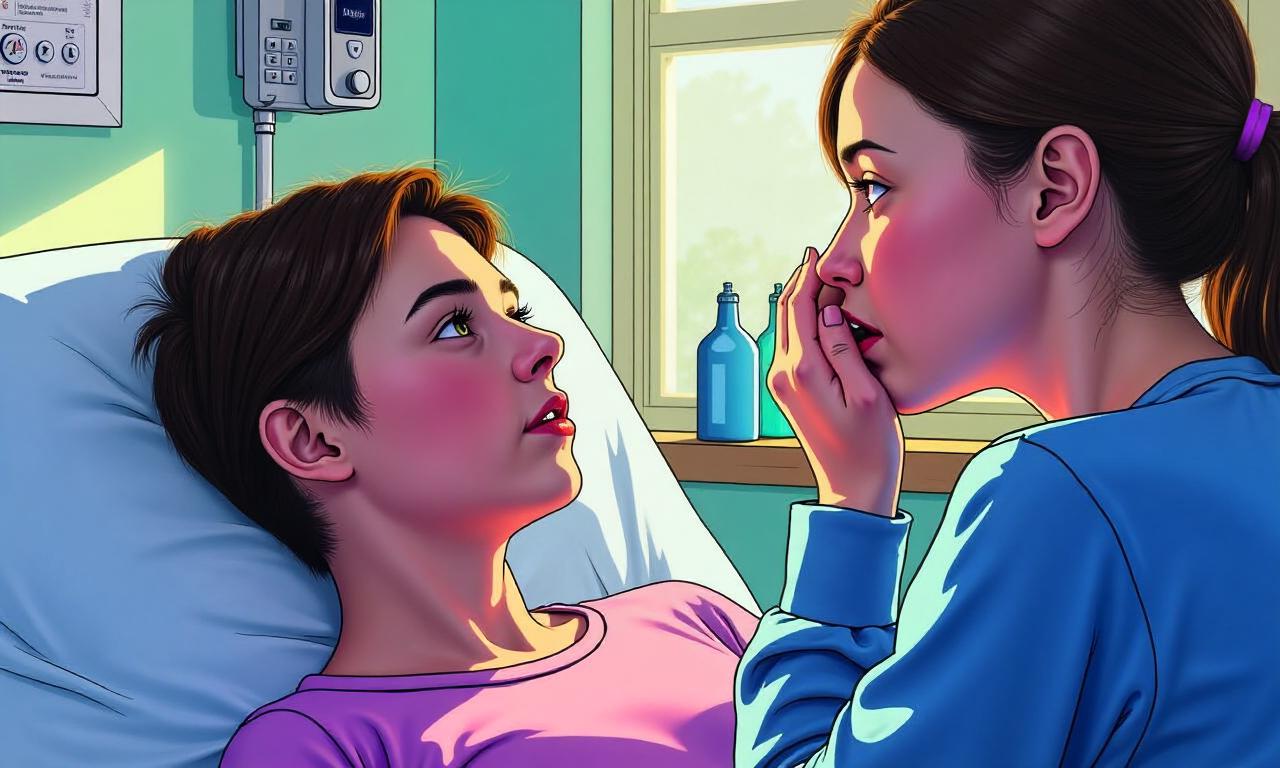
Three years after the report, the lessons remain unlearned. Laura, now in her 20s and studying law, remembers the turmoil of her time as a patient. At 13, she was diagnosed with an eating disorder that left her dangerously underweight. Her condition escalated into self-harm and suicide attempts, during which she spent prolonged periods at West Lane, a specialist mental health center in Middlesbrough. Christie Harnett, another patient there, became a close friend. Laura recalls how staff would respond to crises with shouting and indifference, rather than support.
Quest for justice and accountability
For Laura and others, the statutory public inquiry represents a chance for deeper answers. Unlike the previous report, it carries legal authority to summon witnesses and document evidence. The goal is to uncover why failures occurred and how they can be prevented. But the inquiry is more than a procedural step—it is a demand for justice. “We want to know what went badly wrong at the Trust,” Laura said, her eyes reflecting the determination of those who have lost someone to the system. “We want some measure of justice for those we’ve lost.”
The inquiry also aims to address the broader issues of care within TEWV. Families of those who died outside the hospital, but still under the trust’s oversight, have joined the call for transparency. They fear that vulnerable individuals continue to be overlooked, their needs not met. Nathan Evison, 19, and Laurent McNamara, who died last year, are among those whose stories mirror the pattern of neglect. Their families now seek accountability, hoping the inquiry will shed light on the systemic failures that contributed to their deaths.
Living with the legacy of care failures
Laura’s experience has shaped her view of the trust. She has vivid memories of the emotional and physical struggles she endured, which she now studies through the lens of law. Her time at West Lane, marked by chaos and a lack of meaningful intervention, has left her with a deep sense of loss. “Staff were told not to intervene in episodes of self-harm,” she recalled, emphasizing the institutional apathy that defined her care. “It felt like we were being left to fend for ourselves.”
While TEWV has promised cooperation, it has declined to provide detailed comments on individual cases. The trust’s statement from Alison Smith highlights its desire to be transparent, but critics argue that this is not enough. The delay in the inquiry, combined with the trust’s focus on general cooperation, has raised questions about whether the investigation will truly address the root causes of the failures. For Laura and others, the key is not just to document what happened but to ensure that similar tragedies do not occur again.
As the inquiry moves forward, the hope is that it will uncover the systemic issues that led to Christie’s death and those of others. The voices of patients and families, who have long been ignored, now take center stage. Their persistence in demanding answers underscores the urgency of the situation. In the meantime, the trust continues to operate, and the question remains: will the inquiry deliver the clarity and justice these individuals deserve?