‘I was screaming’ – footballer stabbed seven times recalls mass knife attack
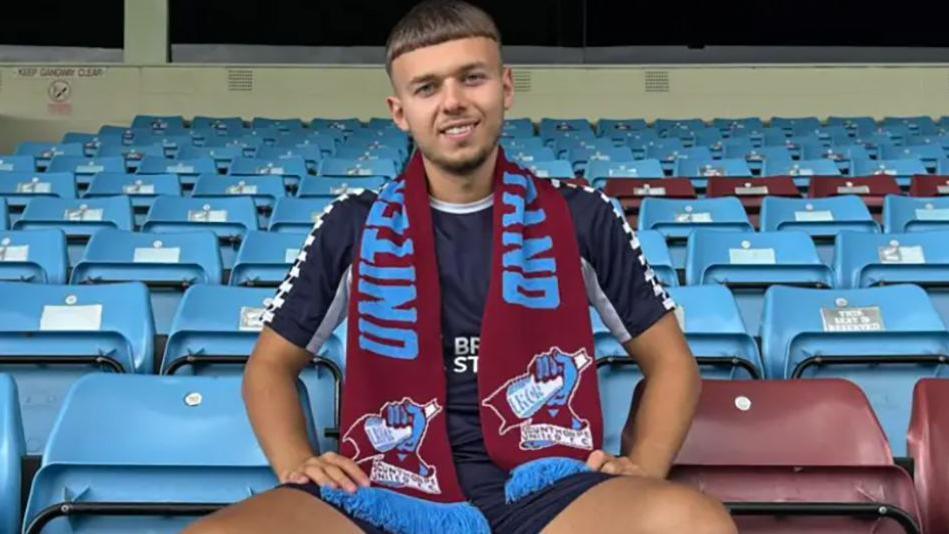
Samael.lol – Jonathan Gjoshe, the 23-year-old defender who survived a brutal knife attack on a train, has shared his harrowing experience in a recent interview with BBC Sport. The incident, which occurred on 1 November last year, left him with seven deep wounds and a lasting fear of rail travel. As he reflects on the trauma of that day, Gjoshe’s voice remains steady, yet his words carry the weight of a near-fatal encounter.
The Night of the Attack
On the train journey from Doncaster to London, Gjoshe had been returning home after a match for Scunthorpe United. Just weeks into his first season with the club, the trip was supposed to be a routine one. But as the train crossed through Cambridgeshire, the atmosphere shifted dramatically. “I was on the train, just chilling. Suddenly, someone’s come over my shoulder, and stabbed me,” he recalls, his tone somber but grounded in clarity. The attack unfolded in a matter of seconds, leaving Gjoshe with a deep sense of vulnerability.
“I got stabbed on the shoulder first. I remember jumping over the table, jumping over the chairs. I was just running down the corridor, telling people, ‘there’s a guy with a knife, run, I’ve been stabbed, run, run, run.’ I was screaming. I think I was the first person that got stabbed.”
Gjoshe’s account of the attack paints a vivid picture of chaos and urgency. Despite his warning, some passengers initially dismissed the threat, perhaps influenced by the proximity of Halloween. “Some thought it was a joke at first, because obviously it was Halloween the day before,” he explains. “Some people ran, some just sat there, but I thought he was coming for me.”
By the time the train reached Huntingdon, the situation had escalated. Armed police boarded the vehicle, and Gjoshe, drenched in blood, was escorted off to the station car park. The injury, which came close to damaging a nerve, had left him shaken. “I was thinking I wasn’t going to see my family again, if I died,” he says, his voice tinged with emotion. “That was the main worry for me.”
A New Beginning
Gjoshe’s journey to Scunthorpe United had been marked by growth. After years of playing in lower-league football in London, he joined the club in September following a standout performance in pre-season. Named Corinthian Casuals’ Young Player of the Year, his career trajectory seemed set for upward movement. However, the attack on November 1st threatened to halt that progress.
Despite the trauma, Gjoshe’s determination shone through. “I was very worried. Just thinking, ‘what damage has happened to me?'” he admits. “I didn’t have a clue until I had the surgery. They said, ‘It’s not much from the nerve. You’re very lucky.'” The initial weeks of recovery were grueling, with frequent hospital transfers due to media interest. “They had to move me from ward to ward because of the media that were coming there looking for me,” he recalls, highlighting the pressure of public attention.
As the months passed, Gjoshe began to regain his strength. His return to full training in March was a “big relief,” he says, as he gradually regained mobility in his arm. The process, though slow, filled him with renewed hope. “It was an amazing feeling,” he adds, reflecting on the moment he could finally move without pain.
Looking Ahead
Though his body was healing, Gjoshe’s mind remained on edge. “I wouldn’t want to now. You just never know. It’s best to be safe. I just can’t trust anything now,” he says. This newfound caution has influenced his decision-making, including his search for a new club. The attack on the train, he believes, has changed his perspective on life and football.
The incident also sparked a wave of support for Gjoshe. Scunthorpe fans organized a GoFundMe campaign, raising £4,500 to help with his recovery. “The support they showed for me, the club as well, it meant a lot,” he says, expressing gratitude for the community’s solidarity. Yet, despite this, the recent news of his potential release from the club has added a layer of uncertainty.
Just days before the interview, Gjoshe learned that he might not be retained by Scunthorpe. The club’s Instagram post, thanking him and wishing him “the best of luck for the future,” symbolized both recognition and transition. “Obviously [with] everything that happened, I’m grateful to be alive,” he says, his words underscoring a mix of relief and resolve. While the attack left him physically scarred, it has also pushed him to focus on the next chapter of his career.
The Road to Recovery
Rehabilitation has been a slow but steady process. Gjoshe’s first steps back into training were met with cautious optimism, as he worked to rebuild strength and confidence. “I started to get the movement of my arm, day by day it was getting better,” he explains, a testament to his perseverance. The physical pain, while severe, has been eclipsed by the emotional toll of the event.
Reflecting on the attack, Gjoshe emphasizes the split-second decisions that defined the night. “That split second, me jumping over the table, saved me. All I thought about was just running for my life, getting off that train,” he says. The adrenaline that carried him through the chaos has since faded, replaced by a deeper awareness of the fragility of life.
As he moves forward, Gjoshe’s story serves as a reminder of resilience in the face of adversity. The attack not only altered his career path but also reshaped his approach to the game. “I’m grateful to be alive,” he repeats, a phrase that encapsulates his journey from trauma to hope. Whether this means a new club or a new perspective, Gjoshe is ready to embrace whatever comes next.