No trophy in turbulent season but Alonso arrival offers Chelsea hope
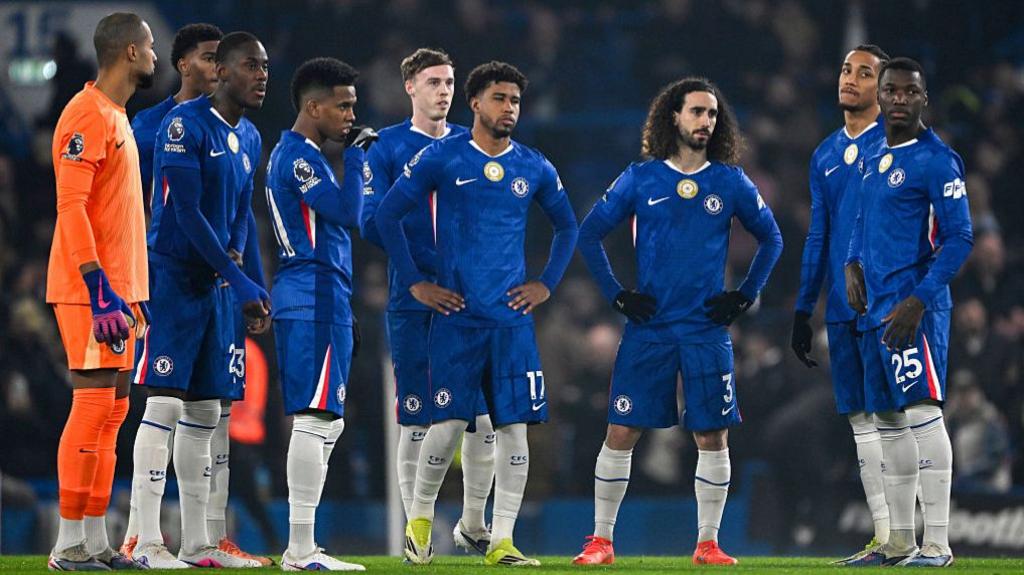
Samael.lol – Chelsea’s FA Cup final defeat to Manchester City at Wembley left the stadium’s atmosphere subdued, with only a handful of fans lingering to witness the aftermath. The loss, a 1-0 result, marked the end of a season marred by inconsistency and missed opportunities. As the team trudged up the steps to collect their losers’ medals, the announcement of Xabi Alonso’s imminent arrival as manager provided a flicker of optimism. Though the news emerged in the wake of Saturday’s loss, it was seen as a timely intervention to reinvigorate the club’s direction.
The FA Cup Defeat and Alonso’s Arrival
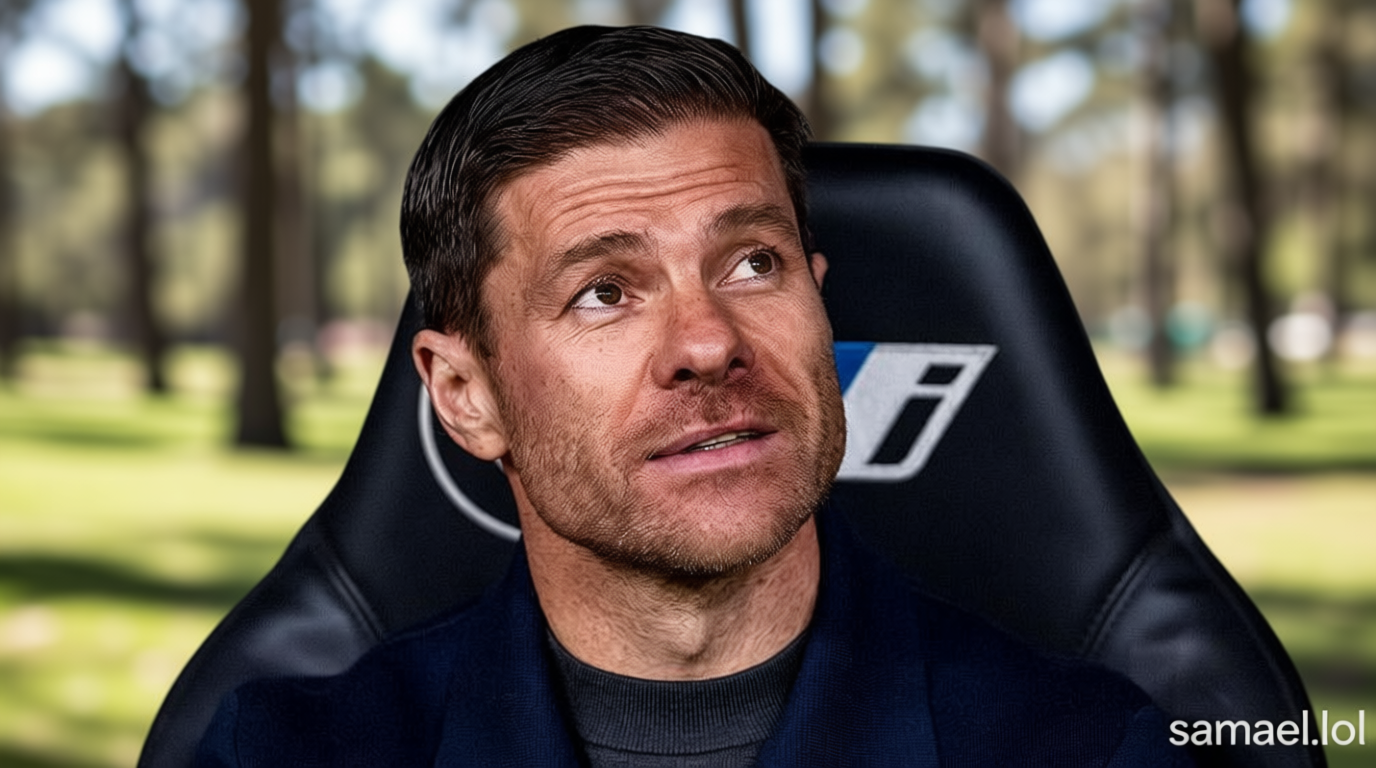
The FA Cup final loss not only ended Chelsea’s hopes of European qualification but also highlighted the fragility of their current form. With the tournament concluded, the club moved swiftly to address leadership gaps, aiming to minimize disruption to the team’s focus on the season’s climax. Alonso, 44, is expected to be formally unveiled as manager in the coming days, with his tenure set to begin on 1 July. His appointment signals a shift toward stability, even as the team faces a summer of uncertainty.
Alonso’s reputation as a seasoned tactician and leader will be critical in navigating Chelsea’s challenges. While the club’s recent performance has left fans disheartened, his track record at Real Madrid and Bayer Leverkusen, where he orchestrated league and cup triumphs, offers a blueprint for success. However, the transition will not be seamless, as Alonso inherits a squad struggling with confidence and financial constraints.
Chelsea’s Summer Challenges
The club’s turbulent season has exposed deeper issues beyond the pitch. Financial regulations have limited their ability to make bold signings, forcing a more calculated approach to strengthening the roster. Despite this, Chelsea remain determined to rebuild, targeting at least one centre-back, midfielder, and forward in the transfer window. The need for a cohesive strategy is evident, as the team must address personnel gaps and tactical shortcomings to restore their competitive edge.
Alonso’s role as manager, rather than head coach, underscores his importance within the club’s leadership structure. This title reflects a partnership involving key figures, emphasizing collaboration over unilateral decisions. While Alonso’s vision is clear, the club’s five sporting directors will play a pivotal role in shaping the squad’s future, balancing immediate needs with long-term goals. The appointment also aims to align the team’s direction with the broader ambitions of the organization.
The Protest and Cultural Divide
Chelsea’s struggles have not gone unnoticed by fans, who took to the streets on Wembley Way to voice their frustrations. A protest involving around 200 supporters underscored the growing disconnect between the club and its base, with tensions also evident between players and fans. This cultural rift, which has lingered throughout the season, now threatens to deepen as the team looks toward the future.
Though the club has made progress in settling financial matters, the damage to morale remains. Players like Marc Cucurella and Enzo Fernandez, who criticized the coaching staff during Liam Rosenior’s tenure, represent a faction of the squad that feels sidelined. Alonso’s arrival is seen as a chance to mend these relationships, particularly among the Spanish-speaking players who have been vocal about their dissatisfaction. His leadership style and emotional intelligence will be tested as he works to bridge this gap.
A Manager for the Modern Era
Chelsea’s decision to appoint Alonso is rooted in his ability to adapt to the evolving landscape of football. Unlike the Galacticos that once defined Real Madrid, the Blues now rely on a blend of experience and emerging talent. Alonso’s background as a former midfielder, having played for Liverpool, Real Madrid, and Bayern Munich, gives him insight into the pressures of high-level competition. This experience will be vital as he leads a team that has seen two managerial exits this season.
While Alonso’s tactical acumen is a major draw, his success will depend on his ability to integrate with existing structures. The club’s focus on collaboration means he must work closely with sporting directors to refine the squad without overhauling it. This approach allows for a balance between innovation and continuity, ensuring the team remains competitive in the Premier League while chasing European glory.
The Road Ahead
Alonso’s first challenge will be to restore confidence, both within the team and among supporters. The FA Cup loss denied Chelsea a route into Europe, but the club remains committed to competing at the highest level. Even if they fall short of European qualification, Alonso’s appointment is viewed as a strategic move to prepare for the next campaign. His experience in managing successful teams, combined with a strong leadership ethos, positions him as a valuable asset.
There is also recognition that the team must evolve beyond its current limitations. Chelsea’s lack of trophies this season has been a source of concern, but Alonso’s arrival is seen as a step toward reclaiming their status as title contenders. The club’s focus on improvement, whether through new signings or tactical adjustments, will be central to their recovery. As the summer unfolds, Alonso’s influence on the squad’s dynamics will be crucial in determining their trajectory.
The potential of Alonso’s appointment has been highlighted by those close to the club, who believe his arrival could signal a new chapter. His reputation for fostering unity and discipline, traits that were lacking during the previous managerial era, offers hope for a more cohesive team. However, the path forward is fraught with obstacles, from financial constraints to the need to rebuild trust with fans.
Chelsea’s journey through this turbulent season has been a lesson in resilience. While the absence of a trophy is a setback, the club’s willingness to embrace change provides a foundation for future success. Alonso’s leadership, paired with a collaborative approach, may prove instrumental in turning the tide. The final verdict on his impact will come over the coming months as the Blues aim to reclaim their place among Europe’s elite.
Key Points to Remember
Alonso’s appointment as manager follows his seven-month tenure at Real Madrid, where he faced a falling out with key players like Kylian Mbappe. His transition from player to manager reflects a shift in focus from the spotlight of the playing field to the strategic demands of leadership. At Chelsea, he will need to replicate the success of his previous roles while addressing the unique challenges of the club’s current setup.
The club’s financial settlement with regulators has allowed for more flexibility in transfers, but the need to target specific positions remains urgent. Alonso’s familiarity with the Premier League and his ability to work within established systems will be critical as he integrates into the team’s culture. His appointment also comes at a time when Chelsea are determined to learn from their season’s missteps and build a more resilient squad.
In summary, Alonso’s arrival offers Chelsea a chance to redefine their approach. The loss to Manchester City has been a wake-up call, but it has also set the stage for a fresh start. With the summer transfer window approaching, the club’s focus on improvement and collaboration will shape the next phase of their journey. Whether they can overcome their current challenges and reclaim European glory will depend on how effectively Alonso can unite the squad and restore confidence.