North of England Olympic bid for 2040s being assessed
Samael.lol – The UK government has initiated an “initial strategic assessment” to evaluate the feasibility of a potential Olympic bid for the northern regions of England in the 2040s. This move follows renewed interest in showcasing the region’s capabilities to host the world’s largest sporting event. The evaluation, led by UK Sport, will focus on the financial, social, and economic implications of staging the Games in the north, as well as the likelihood of success for such an endeavor.
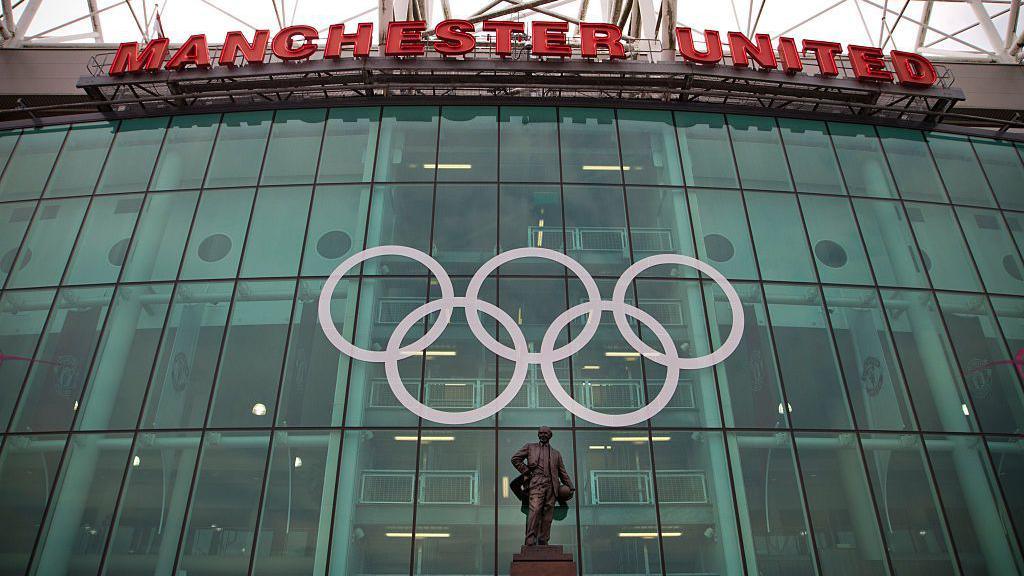
While London hosted the Olympics in 2012, the northern part of England has long been considered a viable alternative. Manchester United’s Old Trafford stadium played a role in that Games by hosting football matches, highlighting the area’s existing sporting infrastructure. Now, officials are looking to build on this legacy, with a particular emphasis on leveraging existing facilities rather than constructing entirely new ones. Culture Secretary Lisa Nandy has stated that the north of England is ready to take on the challenge, challenging previous assumptions about its ability to host the event.
Initial Study and Strategic Vision
The findings of UK Sport’s assessment will decide whether to proceed with a more in-depth “technical feasibility study.” This second phase will explore specific logistical and financial details, including infrastructure upgrades, transportation networks, and resource allocation. The final decision on the bid will rest with the British Olympic Association (BOA), which will evaluate the study’s conclusions before committing to a full proposal.
Nandy emphasized that the north of England has the potential to deliver a world-class Games, noting the region’s existing elite sporting venues. She highlighted the importance of investing in these sites to meet the demands of a modern Olympic event. “We know that we can pull off the most incredible Games,” she said, “not just bid for them, but host them successfully. That’s why we’re starting with a phase-one study to map out the resources and infrastructure needed.”
The push for a northern bid gained momentum in February when a coalition of northern political leaders urged the government to prioritize the region for future Olympic events. They argued that the north already has the foundational elements to host a successful Games, such as major stadia, arenas, and other facilities. This came after London Mayor Sir Sadiq Khan expressed his desire to bring the Olympics back to the capital, sparking discussions about the need for regional representation in the Games.
Public Perception and Past Challenges
Public opinion on the London 2012 Olympics remained largely positive, with more than two-thirds of the UK population believing the £8.77bn cost was justified. Despite exceeding the original budget by threefold, the Games are credited with revitalizing east London and stimulating economic growth. However, they also failed to achieve the anticipated rise in sports participation, a factor that has prompted renewed focus on how to make the event more impactful in future bids.
Manchester, a key city in the north, has a history of Olympic aspirations. Although it missed out on hosting the 1996 and 2000 Games, the city successfully held the 2004 Commonwealth Games. The City of Manchester Stadium, which was central to that event, later became a football arena for Manchester City, now known as Etihad Stadium. This transformation underscores the adaptability of northern venues, which are also home to the national velodrome and an aquatics centre. Additionally, Liverpool’s Albert Dock and the River Mersey have been proposed as potential locations for sailing events, while the Lake District could host open-water swimming competitions.
Looking ahead, Manchester United has pledged to have a new 100,000-seater stadium ready by 2035. Leeds United, too, is working on plans to develop Elland Road, further demonstrating the region’s commitment to enhancing sporting infrastructure. Nandy acknowledged the importance of these developments, stating that they provide a clear blueprint for how the north can meet the demands of an Olympic bid. “There are significant upgrades already underway,” she noted, “such as the construction of the new Everton stadium, which showcases the potential we have here.”
Collaboration and Cost Efficiency
Officials from the north of England have stressed the value of collaboration with local authorities and sporting bodies to ensure a credible bid. Nandy pointed out that the current financial climate necessitates a pragmatic approach, utilizing existing infrastructure to reduce costs. “We’ve got to prove to the International Olympic Committee that we can host the Games in the north,” she said. “I believe we can, and we’re fully committed to making it happen.”
The International Olympic Committee (IOC) has shown openness to multi-city or regional bids in recent years, aiming to lower expenses and distribute the economic benefits more broadly. This shift could be pivotal for the north of England, which has the opportunity to demonstrate its readiness to host the Games on a large scale. Nandy acknowledged the challenges, particularly regarding athletics facilities, but argued that these are issues any government should address. “The study will look at identifying all the potential sites,” she explained. “There are specific challenges, but they’re things we can overcome with the right planning.”
The northern bid also aims to capitalize on the region’s cultural and economic strengths. By combining historical venues with modern upgrades, the north could offer a unique blend of tradition and innovation. This approach not only reduces the need for extensive new construction but also aligns with the IOC’s interest in sustainable and cost-effective host cities. Nandy believes that showcasing these assets will help make a compelling case for the north’s inclusion in the 2040s Olympic Games.
As the initial assessment progresses, the focus will be on identifying the necessary investments and ensuring that the region’s infrastructure meets international standards. With major sporting venues already in place and ambitious development projects underway, the north of England is positioned to make a strong case. The success of this bid could mark a new era for the Olympics, with the region proving that it can host the event as effectively as London, while bringing fresh energy and diversity to the Games.
Ultimately, the goal is to create a vision that resonates with the IOC and the public. Nandy’s comments reflect a growing confidence in the north’s ability to deliver on its promises. “The reality is that we want to work with what we already have,” she said. “There’s good infrastructure across the north, but it needs to be upgraded. That’s where an Olympic bid can make a difference.”
With the initial strategic assessment set to guide the next steps, the northern bid represents a bold move to diversify the UK’s Olympic hosting opportunities. If successful, it could redefine the Games’ legacy, ensuring that the north of England plays a central role in the future of international sports.