Spurs Launch Review After Season of Injury Woe
Samael.lol – Tottenham Hotspur have initiated a thorough examination into the root causes of their season’s significant setbacks due to recurring fitness issues. A central focus of this internal inquiry is the alarming number of anterior cruciate ligament (ACL) injuries that have plagued the squad over the past year. Despite overcoming relegation on the final day of the campaign with a narrow 1-0 victory against Everton, the team’s struggles were evident throughout the season, marked by frequent absences of key players due to injuries.
The club’s performance director, Dan Lewindon, who joined Tottenham from the City Football Group earlier this year, is spearheading the audit. This review aims to identify why the team’s availability rate fell to approximately 77% last season, with players collectively missing more than 2,000 days of action. Tottenham has set a goal of achieving closer to 90% availability and reducing the total days of absence to under 1,000, though they acknowledge that this target may be challenging to meet in the lead-up to the next season.
Key Injuries and Their Impact
Several prominent Spurs players, including Xavi Simons, James Maddison, and Wilson Odobert, have been sidelined for extended periods due to serious knee injuries. Dejan Kulusevski, for instance, missed the entire 2024-25 campaign after undergoing surgery for a severe knee issue at the end of the previous season. These injuries not only disrupted the team’s momentum but also forced them to rely heavily on younger or less experienced substitutes, which may have impacted their overall performance.
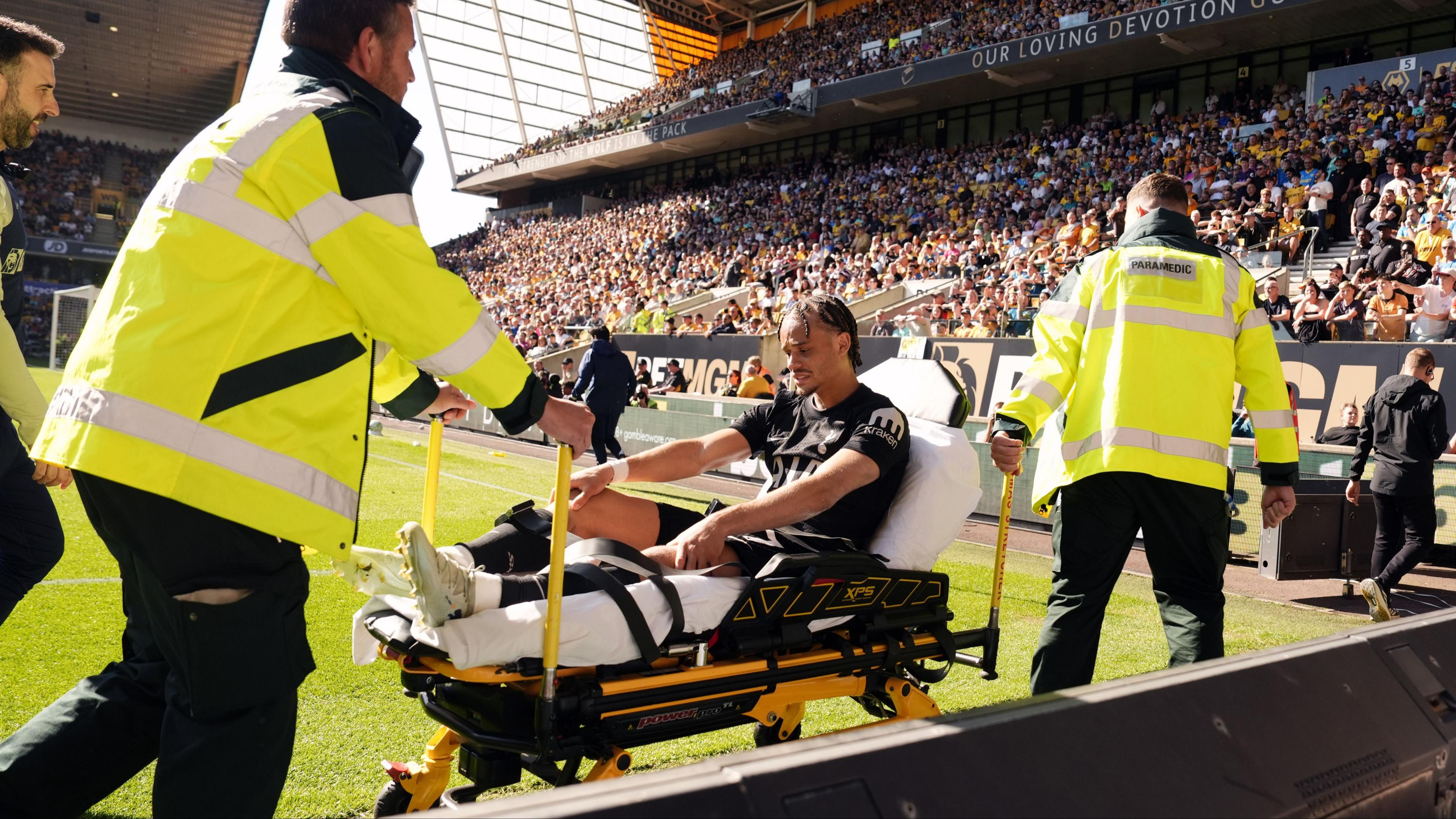
Spurs’ medical staff have expressed concern over the unusually high number of ACL injuries. While some cases, such as Odobert’s, were attributed to awkward landings during play, others raised questions about the effectiveness of on-field treatment. A recent video clip of medics permitting an injured player to bear weight on his knee, despite the severity of the damage, sparked criticism from fans. The footage highlighted potential gaps in the immediate response to injuries, prompting the club to reevaluate their protocols.
Investigating Pitches and Training Facilities
As part of the audit, Tottenham is scrutinizing the conditions of their home pitch and comparing them to those at rival grounds. The club’s Enfield training center is also under review, with officials examining whether its facilities contribute to the frequency of injuries. While preliminary findings suggest no major differences in pitch bounce between Tottenham’s ground and others, ongoing testing is expected to provide a clearer picture.
Additionally, the review is assessing the team’s overall training methodologies. Factors such as player strength, fatigue levels, and recovery strategies are being analyzed to determine if they played a role in the injury crisis. Lewindon emphasized the importance of tailoring medical support to individual players, which includes creating personalized profiles that integrate both physical and psychological data. This approach is designed to enhance the precision of injury prevention and treatment plans.
Rehabilitation and External Support
One of the proposed improvements is allowing injured players to conduct part of their rehabilitation outside the club’s Enfield facility. This change comes as part of a broader effort to adapt to the growing trend of Premier League teams relying on external medical experts for player recovery. Some foreign players even return to their home countries for specialized treatment, which can create logistical challenges but also offer potential benefits.
While this approach may introduce complexity, Spurs are open to it as long as all parties agree on a unified recovery plan. The club will retain ultimate responsibility for any complications that arise during the process. This shift reflects a willingness to embrace flexibility in player care, even if it means sharing decision-making with external practitioners.
Manager Changes and Team Dynamics
The review also addresses the impact of frequent managerial changes. Tottenham’s coaching staff changed three times within 12 months, which could have disrupted continuity in training and tactical strategies. To mitigate this, the club plans to implement an integrated structure over the summer, ensuring that head coach Roberto De Zerbi, his staff, and the medical team collaborate closely on rehabilitation timelines. This system will prioritize player well-being and align it with the team’s competitive objectives.
De Zerbi’s involvement in the process is critical, as the new approach aims to foster a more cohesive environment between coaching and medical departments. By involving players in the decision-making process, Spurs hope to create a more proactive strategy for managing injuries and maintaining squad readiness. This collaboration will be essential in addressing the challenges posed by the previous season’s disruptions.
Psychology as a Key Factor
Psychology is being recognized as a vital component of the review. Tottenham has decided to appoint a full-time head of psychology to work alongside players and staff, aiming to address the mental aspects of injury recovery and prevention. This move underscores the club’s commitment to a holistic approach, ensuring that both physical and psychological factors are considered in player development.
The inclusion of psychology in the review highlights a shift toward understanding the emotional resilience of athletes. By integrating mental health support into their training and recovery programs, Spurs seek to enhance player focus, motivation, and overall performance. This strategy is expected to complement their efforts in reducing the incidence of serious injuries and improving long-term squad sustainability.
Conclusion and Future Outlook
As Tottenham looks to the future, the club’s leadership is determined to learn from the challenges of the past season. The internal audit, led by Lewindon, is expected to yield actionable insights that can be implemented in the coming months. With a renewed emphasis on individualized care, flexibility in rehabilitation, and psychological support, Spurs aim to build a more resilient team capable of withstanding the rigors of the Premier League.
“Spurs admit ‘football success was not driving decisions’ ‘Spurs avoid humiliation but elation of fans will soon turn to anger'”
The review’s success will depend on its ability to translate findings into meaningful changes. Fans, who have already expressed frustration over the team’s injury woes, will be watching closely to see if these measures lead to a more stable and competitive squad in the seasons ahead. The club’s dedication to addressing these issues is a positive step, but the real test lies in how effectively these reforms are executed. For now, the focus remains on recovery, analysis, and rebuilding a foundation that can support Tottenham’s ambitions in the long term.