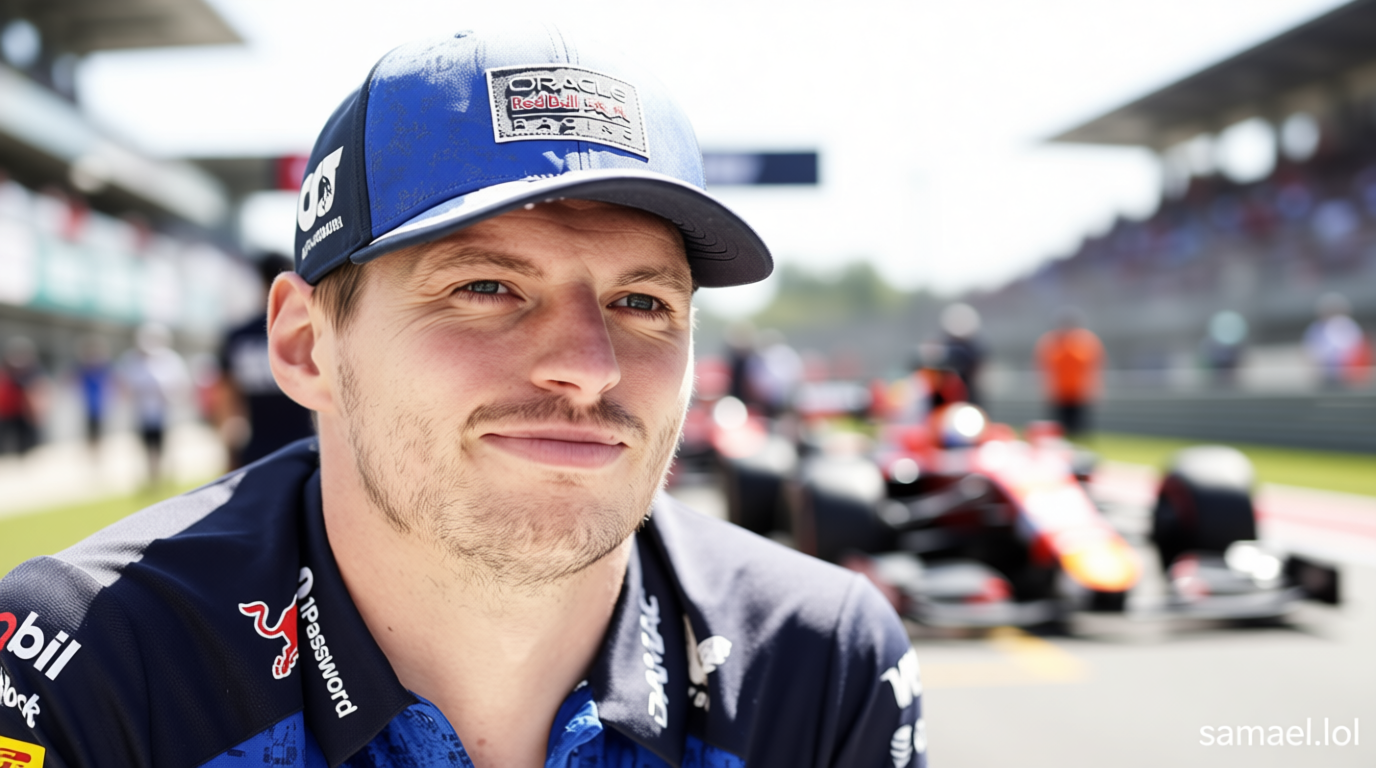
Verstappen hints at F1 stay with racing set to go ‘back to normal’
Samael.lol – Max Verstappen’s participation in the Nurburgring 24 Hours has sparked discussions about his future in Formula 1, as he suggested the upcoming rule adjustments might restore a more familiar racing dynamic. The Red Bull driver, who recently completed the endurance event, expressed optimism that the changes to engine regulations for 2025 could bring the sport closer to its traditional roots, potentially securing his continued involvement in the championship.
Endurance Experience and Mechanical Challenges
Verstappen’s performance in the Nurburgring 24 Hours highlighted both the excitement and unpredictability of endurance racing. Despite leading for much of the event, a driveshaft failure three hours into the race ended his hopes of victory. “It was a fantastic week overall,” he reflected. “I really enjoyed the challenge of driving in the wet, adapting to changing conditions, and sharing the experience with my teammates. That’s what I’m aiming for, and it’s something we trained extensively for.”
While the mechanical issue prevented a win, Verstappen emphasized the value of the event. “Even though we had everything under control until the last moment, it was a great opportunity to test the car’s capabilities in a different environment. I think the experience will help us in the long run.”
Proposed Engine Rule Changes
The proposed engine regulations for 2025 are expected to restore a more traditional racing feel, according to Verstappen. F1 officials are working on a package of adjustments that will shift the power balance between internal combustion and electrical systems. This change aims to reduce the emphasis on energy management, which has become a central theme of this season’s races.
Verstappen previously voiced concerns about the impact of this year’s hybrid engines on the driving experience. “The new power units have altered the way we race,” he said. “It’s been a challenge, but I believe the changes coming next year will improve the product, making me happier as a driver.”
He clarified that the focus is not solely on car performance but on the overall enjoyment of the sport. “If the product becomes more engaging, that will naturally make me want to stay. I always wanted to continue racing, but I also wanted to see meaningful evolution in the sport. This change seems like a positive step in the right direction.”
Driver Reactions to the Shift
Verstappen’s comments align with those of other drivers, including Lando Norris and George Russell, who also welcomed the proposed adjustments. Norris stated: “It’s a great direction that we all support. We want to see racing return to a more balanced state.” Russell added: “The current situation has made energy management a dominant factor, but reducing that effect will create a more competitive environment. The engine shouldn’t lose half its power on straightaways, which feels counterintuitive.”
However, Oscar Piastri noted that while the changes are promising, they are not yet finalized. “It’s a step in the right direction, but there’s still work to be done,” he said. The FIA and engine manufacturers are still negotiating key details, with the Montreal summit this weekend set to determine the final form of the rules.
The main challenge lies in balancing time and financial constraints. Engine development requires significant investment, and manufacturers are already racing against the clock to implement the changes in time for the 2025 season. Some teams have requested additional budget allowances to accommodate the necessary modifications.
Verstappen’s Perspective on the Future
Verstappen’s enthusiasm for the upcoming changes is clear, but he remains focused on the broader picture. “Whether I have a strong car or not, the product’s quality is what matters most,” he said. “If the racing becomes more enjoyable, that will make me want to stay. I think this transition is definitely moving in the right direction.”
His team-mate George Russell echoed similar sentiments, stating: “The changes will be positive. They address the issue where cars slow down late on straights due to recharging cycles, which has affected the flow of races.” Russell also acknowledged the uncertainty surrounding the full impact of these adjustments. “It’s hard to predict exactly how the new rules will shape the sport, but I’m confident they’ll create a more engaging spectacle for fans and drivers alike.”
Verstappen’s long-term goals remain unchanged, but the proposed modifications have given him renewed hope. “I’ve always wanted to keep racing, and this change gives me reason to believe the sport will evolve in a way that benefits everyone involved. If the product improves, I’ll be excited to keep pushing forward.”
Meanwhile, the Canadian Grand Prix looms as the next major event, with Verstappen eager to apply the lessons from the Nurburgring 24 Hours. “The experience I gained in Germany will help me in Montreal,” he said. “I’m looking forward to seeing how the new rules play out on the track.”
As the discussions continue, Verstappen’s remarks suggest a growing optimism about the future of F1. With the sport aiming to simplify its technical complexities and return to a more driver-centric format, the 2025 season could mark a turning point. Whether or not the changes fully address the current challenges, they represent a crucial step toward a more enjoyable and competitive racing environment.
The Nurburgring 24 Hours served as a reminder of the unpredictability inherent in Formula 1. While the driveshaft failure was a setback, it underscored the importance of endurance events in testing a car’s versatility and a driver’s adaptability. For Verstappen, the experience was a valuable addition to his Formula 1 journey, reinforcing his commitment to the sport’s ongoing evolution.
As the Canadian Grand Prix approaches, the focus shifts to the race itself, but Verstappen’s comments indicate he’s already thinking ahead. The proposed rule changes could redefine the competitive landscape, and with his team progressing steadily, he’s in a strong position to capitalize on this shift. For now, the sport’s return to a more balanced state seems within reach, and Verstappen’s support for the changes offers a glimpse of what could be a more exciting chapter in F1’s history.