We Need a Complete Reset, Says Tottenham Chief
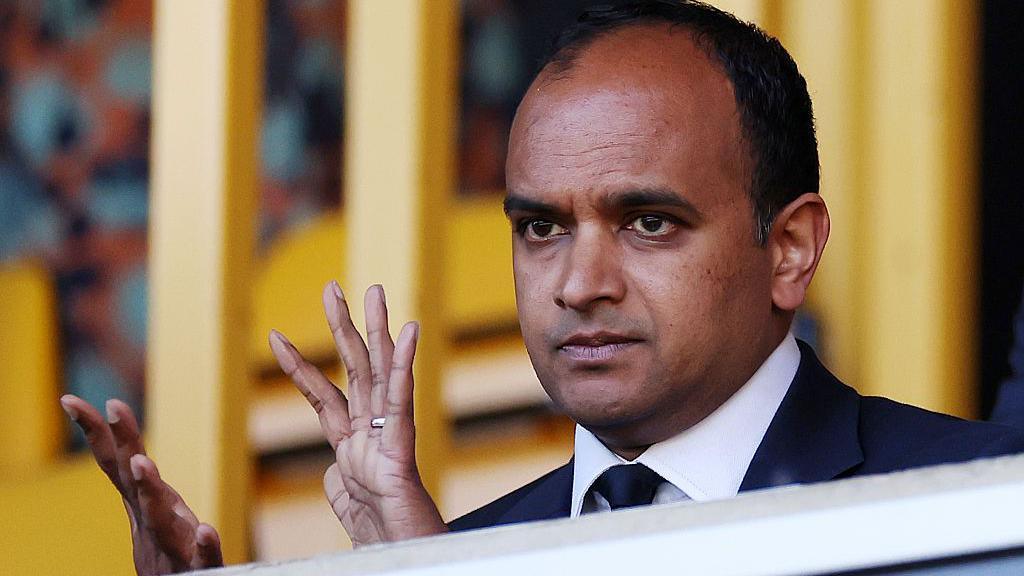
Samael.lol – Vinai Venkatesham, who took charge of Tottenham Hotspur in the summer of 2025, has described the club’s current situation as requiring a full-scale transformation. After a turbulent first season, the new chief executive admitted that the team’s journey to Premier League survival was a testament to resilience but also highlighted the need for deeper changes. Speaking following a dramatic final-day victory over Everton, Venkatesham shared insights into the pressures of managing the club during a relegation fight and the internal challenges that led to his reset declaration.
The Relentless Strain of a Relegation Battle
Venkatesham’s tenure began with optimism, but the weight of expectations soon became apparent. The club’s survival in the Premier League, secured at the last moment, brought mixed emotions. While he acknowledged the relief of avoiding relegation, he emphasized that this was far from a celebration. “Relief is a small fraction of what this club deserves,” he said, reflecting on the emotional toll of the season. The CEO also revealed that no staff would have been dismissed had the team been relegated, underscoring his commitment to stability despite the setbacks.
Although the supporters were pivotal in pushing the team through the crisis, Venkatesham admitted that their trust had been tested. “The fans carried us, but the real challenge is proving that we can deliver consistent success,” he explained. This sentiment resonated with his earlier statement about the need for a “complete reset,” which he attributed to systemic issues within the club’s football operations. Venkatesham pointed to a five-year gap in progress as the primary reason for the overhaul.
A New Vision for the Club
Venkatesham’s assessment of the club’s state revealed stark contrasts between its strengths and weaknesses. While he praised the robustness of non-football departments, such as stadium management and commercial operations, he criticized the football side for lagging behind its competitors. “The training facility is world-class, but the environment around it feels more like a luxury resort than a place to push performance,” he noted. This observation suggests that the club’s focus has been more on comfort than competition in recent years.
He elaborated that the lack of urgency in football success was evident in decisions like extending Thomas Frank’s tenure as manager. Frank, who initially guided the team to a strong start, was eventually dismissed in February after a poor run of form. Venkatesham acknowledged that fans felt the delay was unjust, and the CEO admitted that the club’s leadership had faced backlash for not acting sooner. “There’s been a lot of talk about passivity, but that’s not fair,” he argued, defending the rationale behind keeping Frank for so long.
Reckless Decisions and the Igor Tudor Saga
Venkatesham also reflected on the controversial appointment of Igor Tudor as interim head coach. The decision, made after just 44 days in the role, was met with skepticism. However, he clarified that the choice was driven by the need for immediate results. “Tudor was brought in to bridge the gap, but it became clear that the club wasn’t ready for a full-time change,” he said. Despite the short tenure, the move exposed flaws in the club’s decision-making process, particularly in the months leading up to the sacking.
The CEO admitted that the appointment of Tudor was a misstep, citing the lack of long-term strategy. “We didn’t have the right expertise in some areas, and that cost us dearly,” he said. This admission aligns with his broader critique of the club’s football operations, which he believes require a fundamental shift. Venkatesham also praised Roberto de Zerbi for his “extraordinary” impact during his brief stint as a candidate for the managerial role, highlighting the potential for fresh ideas.
Rebuilding Trust and Recruitment Plans
With the season behind him, Venkatesham is now focused on rebuilding the club’s image. He acknowledged the personal attacks from supporters but remained resolute. “The backlash is part of the process, and I understand the frustration,” he said. However, he stressed that the club’s priorities remain on long-term improvement rather than short-term fixes.
Looking ahead, the CEO outlined Tottenham’s recruitment strategy. He emphasized that the summer transfer window would be a key opportunity to address weaknesses. “We’re not just replacing players; we’re redefining the approach to talent acquisition,” he explained. Venkatesham also mentioned the importance of aligning the squad with the club’s vision, which includes a balance between experienced players and emerging talents.
Reflecting on the Past and Charting the Future
Venkatesham’s interview with BBC Sport provided a candid look at the club’s challenges. He highlighted the missed chances to accelerate progress, particularly in the early months of his tenure. “When I first joined, I thought we were in a good position to challenge for European qualification,” he recalled. Yet, within months, the reality of the club’s struggles became undeniable.
He cited the lack of a cohesive strategy as a major factor. “The football side was progressing, but it was more of a steady climb than a breakthrough,” he said. This mindset, he argued, left the team vulnerable to setbacks. “There was no sense of urgency in areas like recruitment and coaching,” he added. Venkatesham’s reset plan aims to rectify these issues by introducing fresh perspectives and streamlining operations.
As the club moves forward, Venkatesham is determined to make his mark. “We’ve got a lot of work to do, but the foundation is there,” he said. His comments suggest a clear focus on restructuring the football department, which he believes is essential for sustained success. With the Premier League survival secured, the CEO now faces the challenge of translating this relief into a new era of achievement.
Venkatesham’s insights underscore a broader reckoning within Tottenham. From the stadium’s operations to the coaching staff, the club must address its shortcomings to avoid repeating past mistakes. His admission that football success wasn’t the driving force behind some decisions signals a shift in priorities. “We’re not just chasing trophies; we’re building a sustainable model,” he said. This vision, however, will require patience and a willingness to adapt to the evolving landscape of English football.
As the summer approaches, fans will be watching closely to see if Venkatesham’s reset translates into tangible results. While the immediate relief of staying in the Premier League is a victory, the CEO is aware that this is only the beginning. “The real test is how we perform in the next phase,” he concluded. With a complete reset as his guiding principle, Venkatesham aims to rekindle the spirit that once made Tottenham a dominant force in the league.
“If you look at where Tottenham were in many areas, compared to other Premier League clubs, there was a significant gap. In some areas, it was really quite worryingly so.”
These words from Venkatesham encapsulate the magnitude of the task ahead. Whether the reset is successful will depend on the club’s ability to execute its plans with precision and consistency. For now, the focus remains on overcoming the past and securing a brighter future for Tottenham Hotspur.