What is going on with Ferrari and will Verstappen quit? F1 Q&A
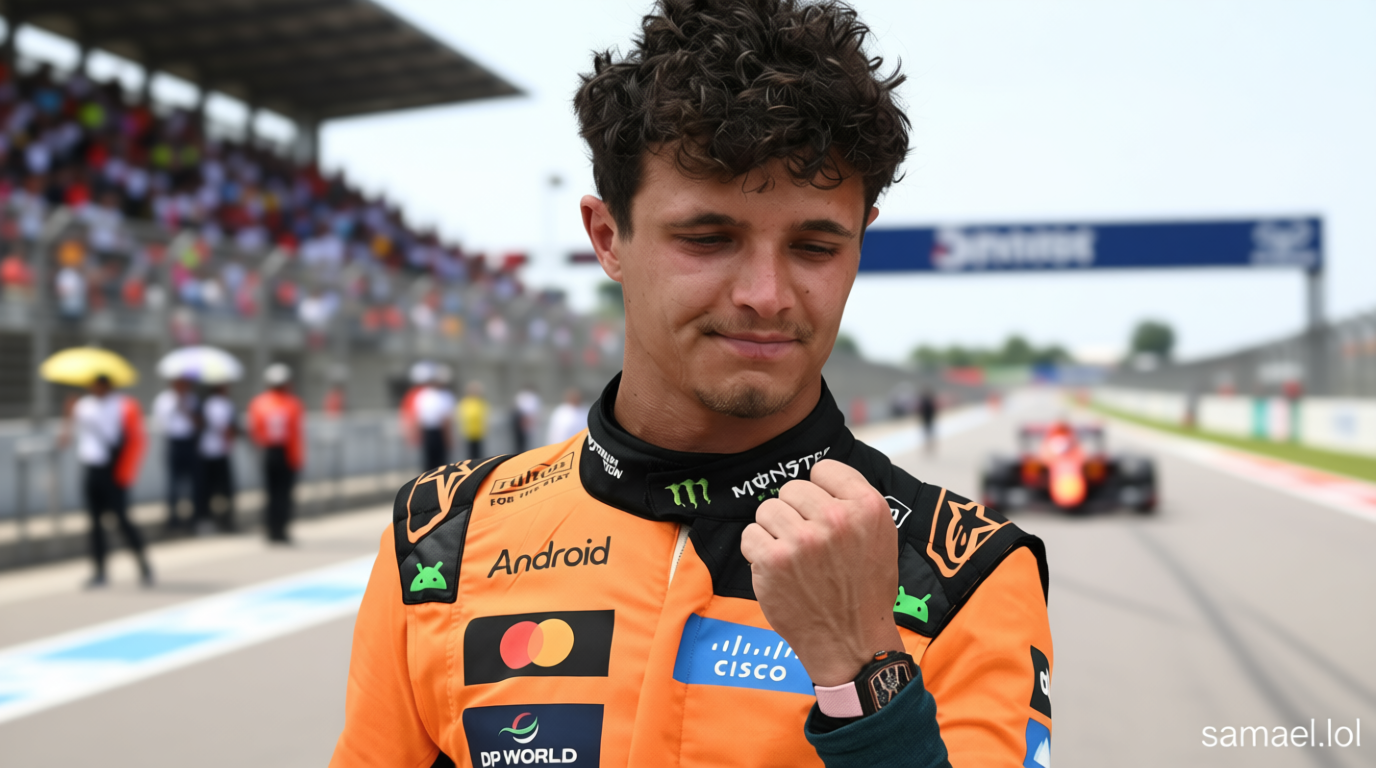
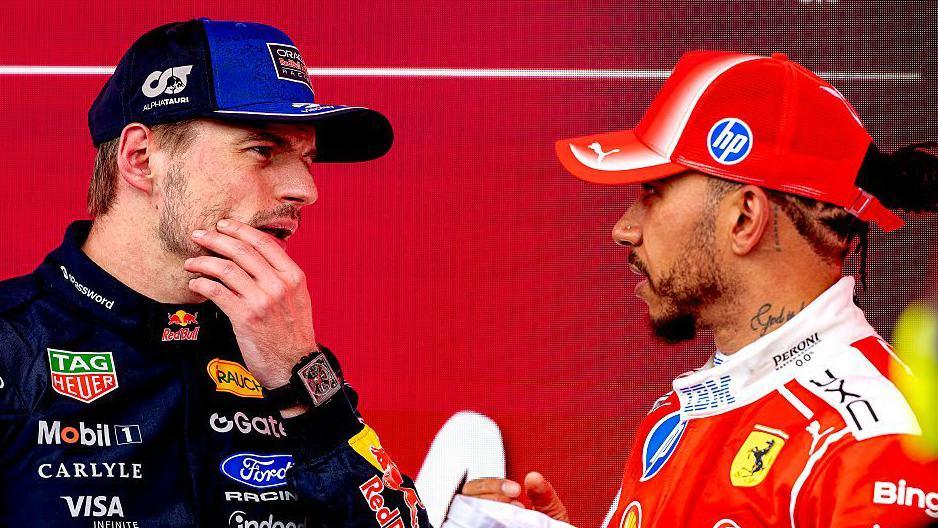
Samael.lol – Kimi Antonelli solidified his position at the top of the Formula One Drivers’ Championship after George Russell’s retirement during the Canadian Grand Prix. Hamilton, representing Ferrari, finished in second place, while Max Verstappen’s Red Bull secured the third spot in the race. Russell had previously claimed a victory in the sprint qualifying session, but his performance in the main race highlighted the challenges faced by the Mercedes team. Following the Montreal race weekend, BBC F1 correspondent Andrew Benson addressed the latest questions from fans, shedding light on Ferrari’s current situation and Verstappen’s potential future in the sport.
The Mystery of Ferrari’s Performance
Hamilton’s mixed results in Canada have sparked discussions about Ferrari’s technical setup and its simulator system. Despite his strong performance in Montreal, the team’s progress remains uncertain. Hamilton, who had previously criticized the simulator’s influence on his driving during the Miami Grand Prix, decided to avoid using it for Canada. He expressed confidence in his approach, stating that the car “generally felt great” during the weekend. However, this decision left some fans puzzled, especially since Hamilton had a history of success at the circuits involved in the race.
“I felt like we started on the right foot, came with the right attitude, and the car really generally felt great,” Hamilton said after the race.
Hamilton’s critique of the simulator is intriguing, as it suggests a potential disconnect between the virtual and real-world experiences. He emphasized that the simulator’s limitations might be a factor in his recent struggles, yet he was careful not to appear overly critical. “The test driver will only know what they know because it’s only Charles and I get to drive the car,” he noted. “So, the positive of being able to drive the real car, go back and say, ‘This is actually what it feels like. These are the things that we’re missing [from the simulator experience].’ So we can improve it.” This insight underscores the importance of real-world data in refining simulator accuracy, but it also raises questions about the role of technology in modern F1.
While Hamilton’s comments are valuable, the lack of corroborating evidence from other races complicates the narrative. His assertion that the “two best races” this year were China and Canada, both tracks where he has traditionally excelled, suggests that the simulator’s impact may not be universally applicable. This leaves room for debate about whether the issue lies solely with the simulator or if broader factors within Ferrari’s strategy are at play.
Verstappen’s Frustration with New Rules
Verstappen’s concerns about the sport’s evolving rules have become a focal point in the F1 community. During the Montreal race, he openly voiced his dissatisfaction with the new engine regulations and the complexities of energy management. “It’s just mentally not doable for me to stay like this,” he stated. “It’s really not.” This sentiment reflects his growing frustration with the increasing intricacies of the sport, which he believes detract from its essence.
“For me, while driving, it’s all a bit confusing. It’s not what Formula One should be about. It’s way too complex,” Verstappen said.
Verstappen’s comments draw a comparison to the Nurburgring 24 Hours, where he experienced a more straightforward form of racing. “Racing in the Nurburgring 24 Hours reminded me how pure motorsport can be,” he remarked. This contrast highlights his desire for a return to the simpler, more driver-centric format that has defined much of F1’s history. The new engine rules, with their emphasis on energy management and strategic considerations, have complicated the racing experience, particularly for drivers like Verstappen who thrive in high-speed, pure competition.
Verstappen’s frustration is not limited to technical aspects. He also expressed a need for the sport to simplify its approach to racing. “It’s just such a shame that we have to deal with all these things,” he said. “F1 just needs to be more pure, and I really hope that what they try to do next year will go through because I think that is necessary.” His hope for a more streamlined Formula One is shared by many fans who feel the sport has become overly technical in recent seasons.
Looking Ahead: A New Era for Formula One?
With Verstappen’s potential retirement looming, the question remains: will he leave the sport if the engine changes aren’t implemented? The answer hinges on how the sport evolves in response to his feedback. Hamilton’s recent success in Canada, despite his simulator concerns, has not quelled the debate about the role of technology in F1. While the simulator is a valuable tool, Hamilton’s preference for traditional methods suggests that drivers may still have strong opinions about its impact on performance.
As the season progresses, Ferrari will need to address the issues that have plagued Hamilton’s consistency. The team’s ability to adapt and improve will be crucial in maintaining their competitiveness. Meanwhile, Verstappen’s comments on the new rules serve as a reminder of the ongoing tension between innovation and tradition in the sport. Whether these changes will lead to a more balanced competition or further complicate the racing experience remains to be seen.
Ultimately, the outcomes of future races will determine the validity of Hamilton’s and Verstappen’s critiques. For now, the focus remains on the immediate challenges faced by the teams and drivers, with the hope that these discussions will lead to meaningful improvements in the sport. The Canadian Grand Prix may have been a turning point, but the journey to a more pure and driver-friendly Formula One is far from over.