Solar is winning the energy race
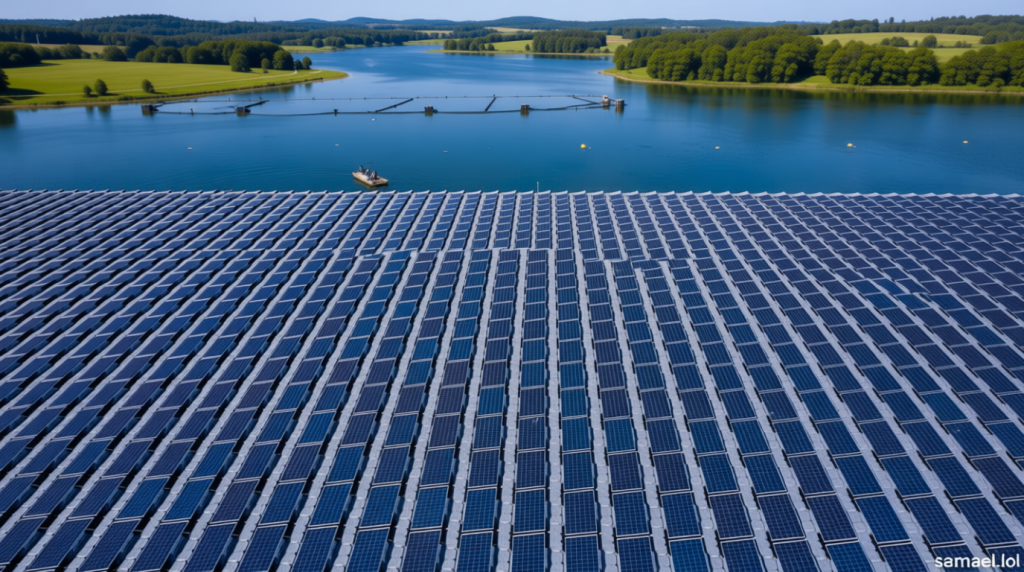
Solar is winning the energy race
Global Solar Expansion
Solar power, now the most affordable energy source globally, is expanding rapidly, outpacing traditional fuels like coal, gas, and nuclear. Over the past two decades, its growth has exceeded all other energy types, transforming from a niche technology to a dominant force. Once costly and limited to remote areas or small devices, today’s solar modules are accessible and efficient, enabling affordable electricity generation across the world.
Between 2015 and 2025, solar capacity surged from 228 gigawatts to an estimated 2,919 GW, representing roughly 10% of global energy demand. If this trajectory continues, the sector could surpass 9,000 GW by 2030—enough to meet over 20% of the world’s energy needs. The scale of this progress underscores solar’s rising prominence in the energy landscape.
China’s Leadership
China leads the global solar capacity race, with installations exceeding 315 GW in 2025 alone. Its total solar energy infrastructure now totals approximately 1,300 GW, accounting for more than 80% of the world’s solar panel production. According to LowCarbonPower data, 11% of China’s electricity now stems from solar, a stark contrast to the 70% share once held by coal. This shift reflects the country’s aggressive push into renewables.
Europe’s Solar Growth
The European Union holds the second-largest solar capacity, at 406 GW, with renewables supplying 13% of its electricity. Coal, once a key energy provider, now contributes only 9%, down from a quarter in 2015. Nations like Greece, Cyprus, Spain, and Hungary lead the bloc, generating over 20% of their power from solar. Germany, despite fewer sunny hours, remains the EU’s top solar installer with 119 GW, followed by Spain’s 56 GW.
United States and Emerging Markets
Despite challenges from the Trump administration, the U.S. remains a key player in solar growth, with 267 GW capacity meeting 8% of its energy needs. In 2015, this figure was just 1%. Over the decade, coal’s share fell from 34% to 17%, driven by renewable investments. India, with 136 GW, now supplies around 8% of its electricity to a population of 1.45 billion, while Japan’s 103 GW covers 11% of its demand.
Cost Efficiency and Future Prospects
Prices for solar have plummeted by nearly 90%, making it the cheapest electricity source in many regions. In sun-rich areas, large-scale solar farms produce energy for less than 1 euro cent per kilowatt-hour. Even in Germany, rooftop solar is often cheaper than grid electricity, costing less than half the average rate. Storing this energy in batteries adds a minimal 2 to 3 cents per kilowatt-hour, compared to nuclear at 14–49 cents and coal at 15–29 cents.
To view this video please enable JavaScript, and consider upgrading to a web browser that supports HTML5 video
Brazil, too, is increasing its solar capacity, now generating 10% of its national electricity alongside hydropower, wind, and biomass, which together account for 88% of its energy mix. The sun’s energy, hitting Earth in just one hour, is sufficient to power the planet for an entire year. By covering less than 1% of the globe’s surface with solar panels, humanity could meet all its energy needs, proving that the future is bright for this renewable leader.