Israeli soldiers echo settler ideology, talk of revenge after targeting Palestinians and detaining CNN crew in the West Bank
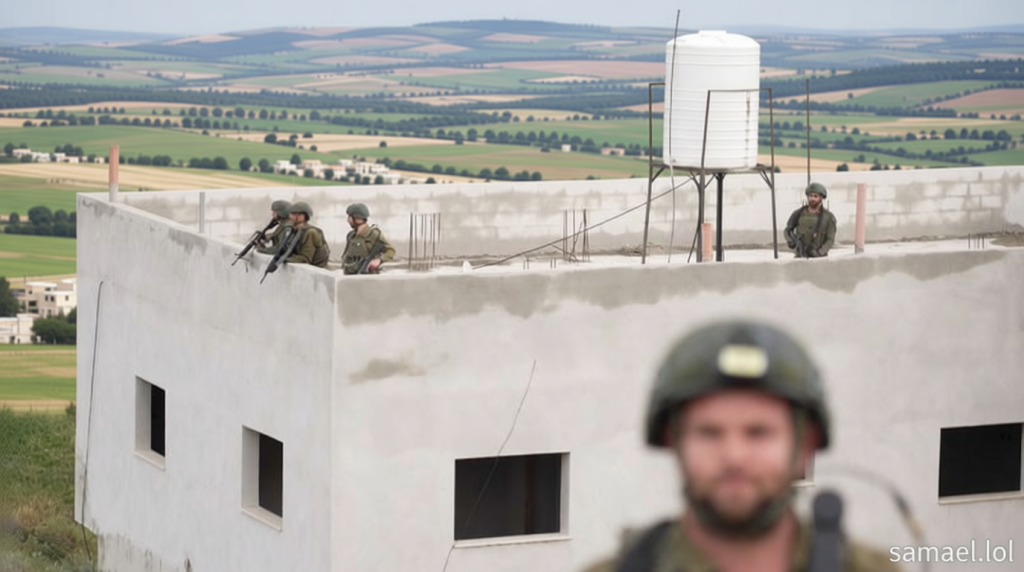
Israeli Soldiers Align with Settler Ideology, Express Revenge During West Bank Detention
Twelve hours after settlers launched a violent assault on Palestinian civilians and constructed an unauthorized settlement in their village, the Israeli military intervened. However, rather than arresting the aggressors or dismantling the illegal outpost, soldiers turned their focus toward Palestinian residents of Tayasir and a CNN team documenting the event. As they approached, one soldier barked, “Stop! Sit down! Sit down!” His rifle was trained on both the Palestinians and the journalists. Just 73 seconds later, another soldier lunged from behind, grabbing CNN photojournalist Cyril Theophilos in a chokehold and forcing him to the ground, damaging his camera in the process.
A Detention That Reveals Ideological Alignment
Minutes later, Theophilos and several locals were seized by the soldiers. The two-hour detention exposed how many Israeli troops operating in the occupied West Bank are influenced by settler ideologies, often acting as agents for the movement. This pattern aligns with extensive documentation by journalists, activists, and Palestinians showing soldiers frequently enabling or overlooking settler aggression against Palestinians.
“But this will be a legal settlement,” Meir stated. “Slowly, slowly.”
Meir, an Israeli soldier, confirmed that the outpost he was guarding in Tayasir is classified as illegal under Israeli law. Despite this, he asserted that it would eventually gain official status, emphasizing, “I help my people.” This reflects the settler strategy: establish enclaves on Palestinian territory, rely on military tolerance, and later secure government approval for their expansion.
The current Israeli administration, the nation’s most conservative to date, has endorsed numerous such settlements since Hamas’ attack on October 7, 2023. Meir and the soldier who assaulted Theophilos consistently claimed the West Bank is Israel’s rightful domain, reinforcing the rhetoric of right-wing officials. They also labeled all Palestinians as terrorists and spoke of retaliation.
“If you had a brother and they killed him, what would you have done?” one soldier asked.
They referenced Yehuda Sherman, an 18-year-old settler killed by a Palestinian driver who crashed into his all-terrain vehicle. Palestinians dispute this account, asserting Sherman was attempting to steal livestock. When asked if revenge was justified, Meir replied, “Revenge.” He added, “If the state doesn’t take action against those who murdered the youth, what do you expect us to do?”
Settler violence has intensified since the October 7 attack, fueled by a combination of retribution and government policies promoting expansion in the West Bank. The trend has resurged recently amid the Iran conflict, which has dominated public discourse. The Israeli military acknowledged the soldiers’ conduct was “incompatible with what is expected of IDF soldiers,” but offered no comment on the outpost or the broader rise in settler attacks.
Survivors Speak of Brutal Consequences
Abdullah Daraghmeh, a 75-year-old man, lies in a hospital bed, his face swollen and fractured, teeth knocked out by the settlers’ assault. His family and witnesses in Tayasir reported that the attackers breached his home during the chaos, leaving him severely injured. This incident underscores the ongoing impact of settler actions in the region.
The military announced that Lt. Gen. Eyal Zamir, chief of staff, has directed the review of the investigation into the soldiers’ attack and the detention of the CNN crew. “The main findings of the ongoing investigation, along with command recommendations, will be presented to him as soon as possible,” the statement read.